
Original post on Edutopia
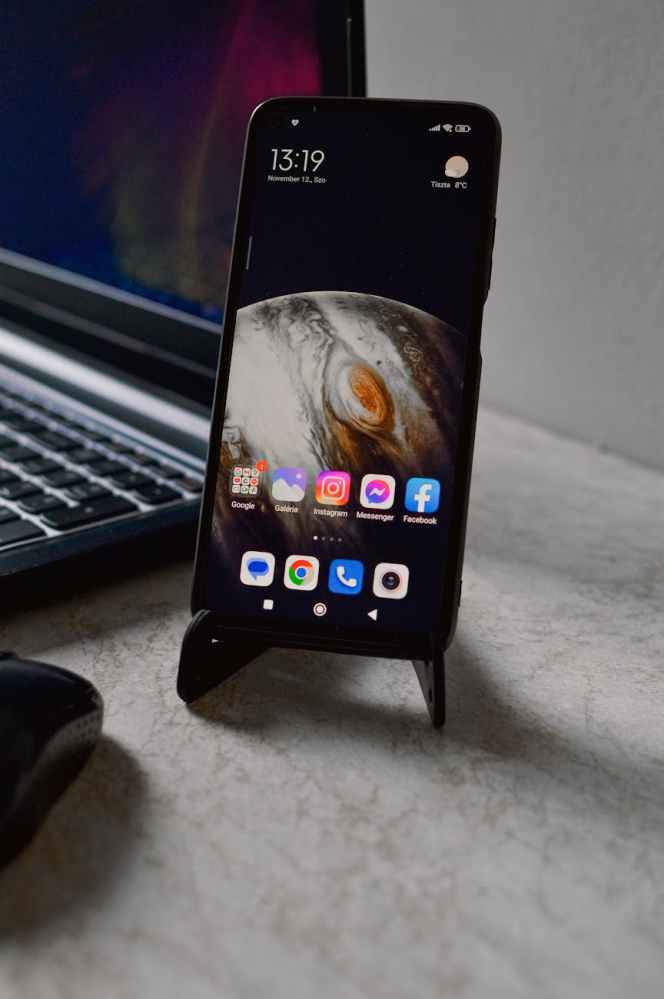
Throughout the country, states and districts are taking different approaches to student cell phone use. Some have implemented complete bans, while others are leaving the decision to individual schools or educators.
What I’ve learned over the past 12 years of using devices in my classroom is that while policies can help create structure, they don’t build consistent digital habits. Digital wellness has to be taught, modeled, practiced, and reflected upon.
Why tech habits matter
With so much access to technology, we need to guide students in developing good digital habits. Digital wellness involves helping students understand when technology is helpful, when it becomes draining, and how to make intentional choices that will keep them balanced and present. Cell phone bans and updated device policies have been designed to promote digital wellness in our schools.
I’ve observed that in schools with cell phone bans, students are more interactive with one another, and their socialization skills are improving. For some students, knowing where their phone is and having it close by is important, and I can relate. But I also understand the importance of disconnecting and being present in the moment, especially in our classrooms, to be more focused on learning.
I have done a variety of activities with students and educators focused on digital habits. In one of them, I focus on the “benefits” and “drains” of devices. A simple way to start is with activities that help students map their “digital day.” Ask them to list all the ways they use their phone or other devices from morning to night. Next, have them decide when the use helps learning (taking a photo of notes, defining or translating a word, keeping time, conducting research, or even recording a podcast draft) or benefits their well-being (such as tracking steps, doing meditation, or using focus apps). They then identify when it is draining (doomscrolling or game-playing; checking notifications; causing reduced energy, lack of attention, or mood changes).
Continue reading the rest of my article on Edutopia.
About Rachelle
Dr. Rachelle Dené Poth is a Spanish and STEAM: What’s Next in Emerging Technology Teacher. Rachelle is also an attorney with a Juris Doctor degree from Duquesne University School of Law and a Master’s in Instructional Technology. Rachelle received her Doctorate in Instructional Technology, with a research focus on AI and Professional Development. In addition to teaching, she is a full-time consultant and works with companies and organizations to provide PD, speaking, and consulting services. Contact Rachelle for your event!
Rachelle is an ISTE-certified educator and community leader who served as president of the ISTE Teacher Education Network. By EdTech Digest, she was named the EdTech Trendsetter of 2024, one of 30 K-12 IT Influencers to follow in 2021, and one of 150 Women Global EdTech Thought Leaders in 2022.
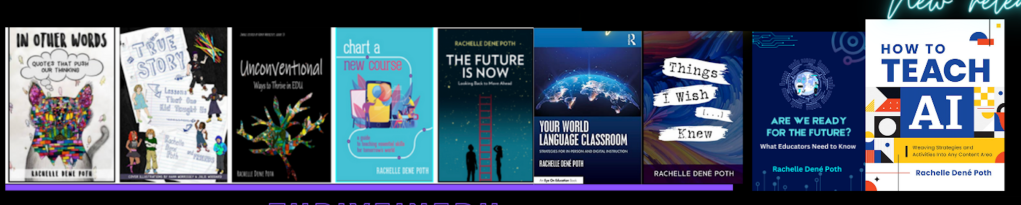
She is the author of ten books, including ‘What The Tech? An Educator’s Guide to AI, AR/VR, the Metaverse and More” and ‘How To Teach AI’. In addition, other books include, “In Other Words: Quotes That Push Our Thinking,” “Unconventional Ways to Thrive in EDU,” “The Future is Now: Looking Back to Move Ahead,” “Chart A New Course: A Guide to Teaching Essential Skills for Tomorrow’s World, “True Story: Lessons That One Kid Taught Us,” “Things I Wish […] Knew” and her newest “How To Teach AI” is available from ISTE or on Amazon.
Contact Rachelle to schedule sessions about Artificial Intelligence, AI and the Law, Coding, AR/VR, and more for your school or event! Submit the Contact Form.
Follow Rachelle on Bluesky, Instagram, and X at @Rdene915
**Interested in writing a guest blog for my site? Would love to share your ideas! Submit your post here. Looking for a new book to read? Find these available at bit.ly/Pothbooks
************ Also, check out my THRIVEinEDU Podcast Here!
Join my show on THRIVEinEDU on Facebook. Join the group here.
 Learning as I go: Reflections & lessons learned