
In collaboration with Learning Genie: All Opinions are my own
If there’s one thing I value in education, it’s authentic and honest conversations about what’s really happening in classrooms. The January and February Learning Latte meetups with Learning Genie were exactly that.
These meetups offered grounded, reflective discussions about teacher preparation, real classroom challenges, and how tools like Learning Genie can support, rather than replace, our professional judgment. And with a focus on UDL, Portrait of a Graduate, and Differentiation, Learning Genie offers everything in one solution!
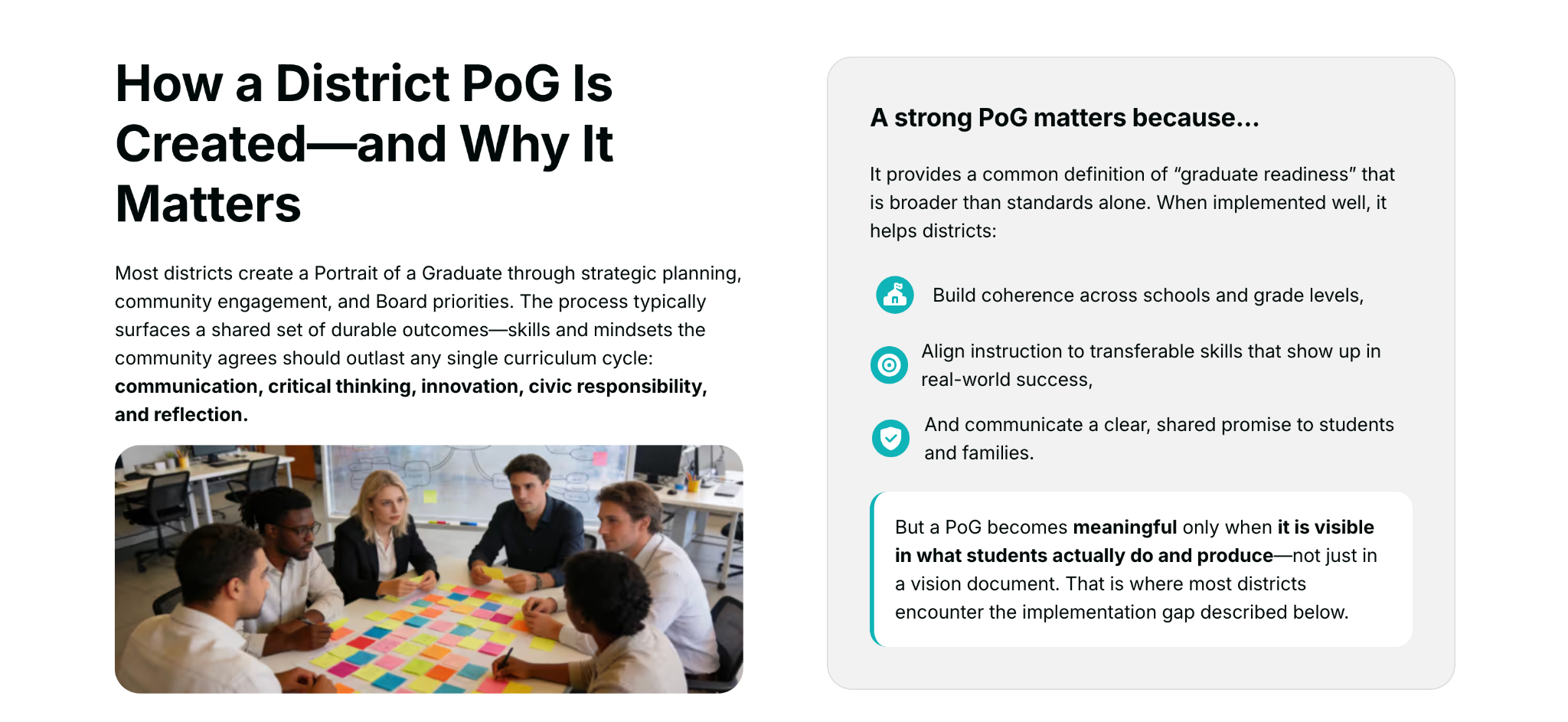
Here are some takeaways:
January: Teacher Preparation, TPA Season & the “Idea Inventory”
January’s Learning Latte meetup focused on the importance of and value in truly listening to educators.
One of the most important parts of the conversation came from Robert Mayfield, who addressed a challenge that many of us have seen and experienced firsthand: pre-service teachers during the TPA season.
If you’ve worked with student teachers, you may notice the impact of getting started and how they feel about it. They can be:
- Overwhelmed
- Time-strapped
- Focused on and worried about meeting rubric requirements
- Relying heavily on pre-existing lesson plans
- Trying to survive and balance all of the new tasks that come with our work.
Robert highlighted a key concern: When pre-service teachers rely too heavily on ready-made lessons, they may miss the opportunity to build their own instructional toolkit. That’s where the concept of an “idea inventory” comes in.
What Is an Idea Inventory?
An idea inventory is not just a folder of saved lessons over the course of the school year or years. It is a curated, reflective collection of strategies used, activity ideas, differentiation techniques, assessment approaches, and adaptable frameworks.
The inventory includes:
- Multiple entry points for learners
- Flexible scaffolding ideas
- Variations for different readiness levels
- Culturally responsive examples
- Developmentally aligned strategies
All of this is especially critical in early childhood and elementary settings, where differentiation is foundational.
The January discussion reinforced what I have noticed when working with other educators. New teachers need to understand how to differentiate effectively and have the resources they need to support their work.
This is where Learning Genie can make an impact. It supports reflective planning and enables teachers to connect observations to instruction. It makes differentiation visible, which is essential.
A good question to consider is: “How do we help future teachers think like designers of learning?”
Learning Genie supports that mindset shift. When teachers reflect on student observations and use those insights to plan intentionally, it helps build professional capacity and confidence. And it builds community when educators and companies connect!
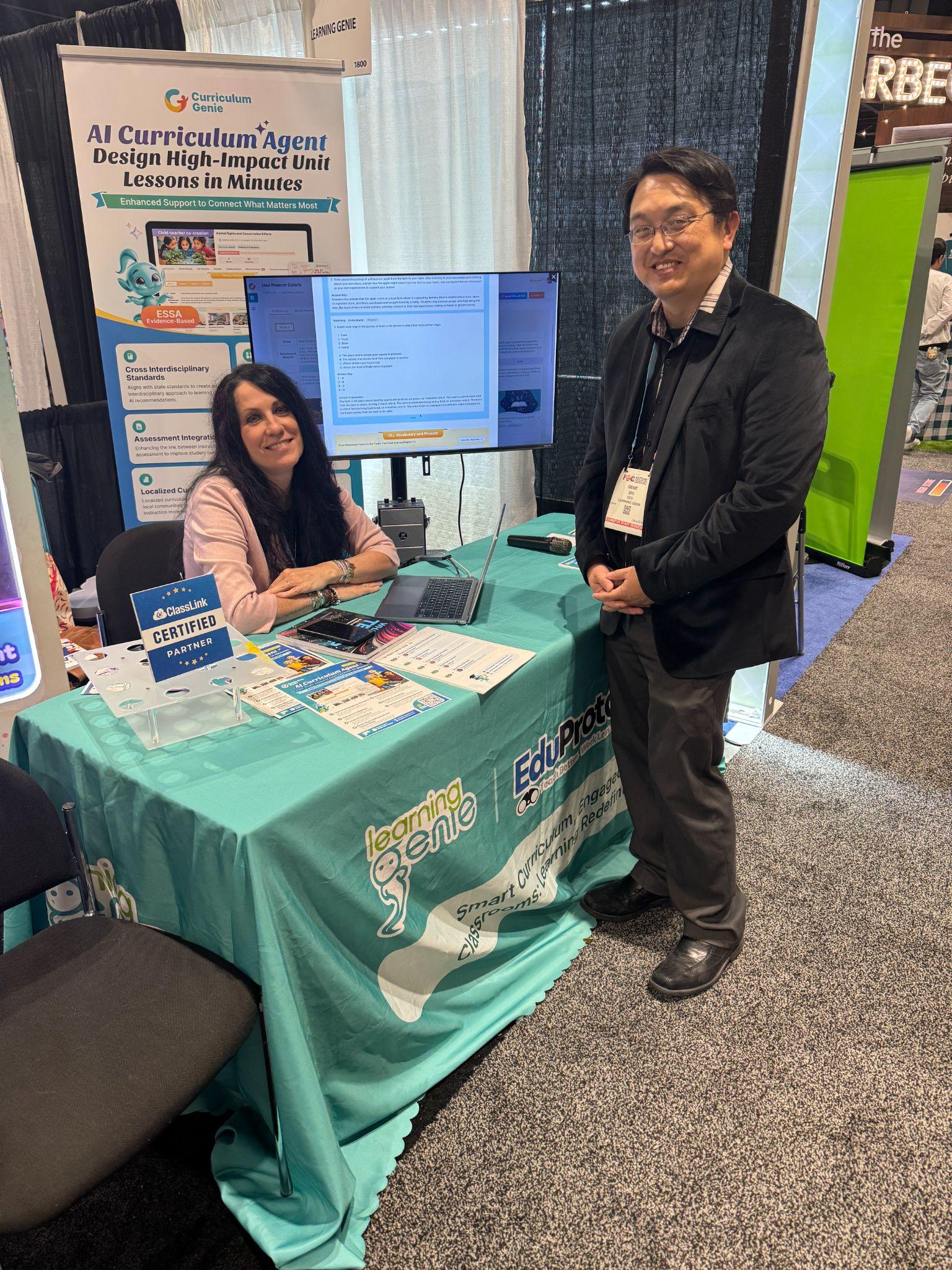
Enjoy learning from and sharing feedback with Dr. Gene Shi
February: Classroom Voices & Real-World Experience
February’s Learning Latte offered a clear view and many insights into a lived classroom experience.
February’s meetup included educators Sandy Ferguson and Gina Ogilvie. Sandy began by sharing classroom experiences, grounding the conversation in real practice rather than theory.
I always want to know the stories of other educators, the why behind the choices in activities, strategies, and tools used in their classrooms, and the impact.
Many conversations about edtech center around the features, dashboards, and integrations. But I’ve long said and heard it in their message. What matters is the impact it makes inside the classroom.
Highlights from Sandy and Gina
- Authentic Application
The conversation centered on how Learning Genie supports educators’ daily work. It helps with lesson planning, documentation, and communication, and it is easy to navigate and use. - Alignment with Developmental Needs
In early childhood, especially, the tools we use must align with how children learn best. - Teacher Confidence
When educators feel supported in leveraging technology to provide meaningful and personalized instruction, their confidence increases. Teacher confidence impacts classroom climate and positively boosts student engagement and interest in learning.
What stood out is that technology works best when it amplifies teacher expertise, not when it replaces it. Shifting from replacement to the enhancement and transformation potential of these tools is important. And when it enhances our students’ learning opportunities. Check out this video to learn more.
Connecting January and February: A Common Theme
Both sessions highlighted:
- The importance of reflective practice
- The need for intentional differentiation
- The value of building professional capacity over time
- The role of tools in supporting rather than shortcutting professional growth
January focused on building the foundation by helping new teachers develop their idea inventory. February provided a clear view of what this looks like in action, with experienced educators using tools to refine their professional practice and deepen students’ learning impact.
Final thoughts
The best educational tools don’t give us answers. I think that they help us ask better questions.
How are we differentiating? What patterns are we noticing? How are we building our “idea inventory?”
How are we supporting new teachers before they burn out?
Use these questions as a focus point, and I think you will find that a tool like Learning Genie is a catalyst for transformational and meaningful instruction and learning.
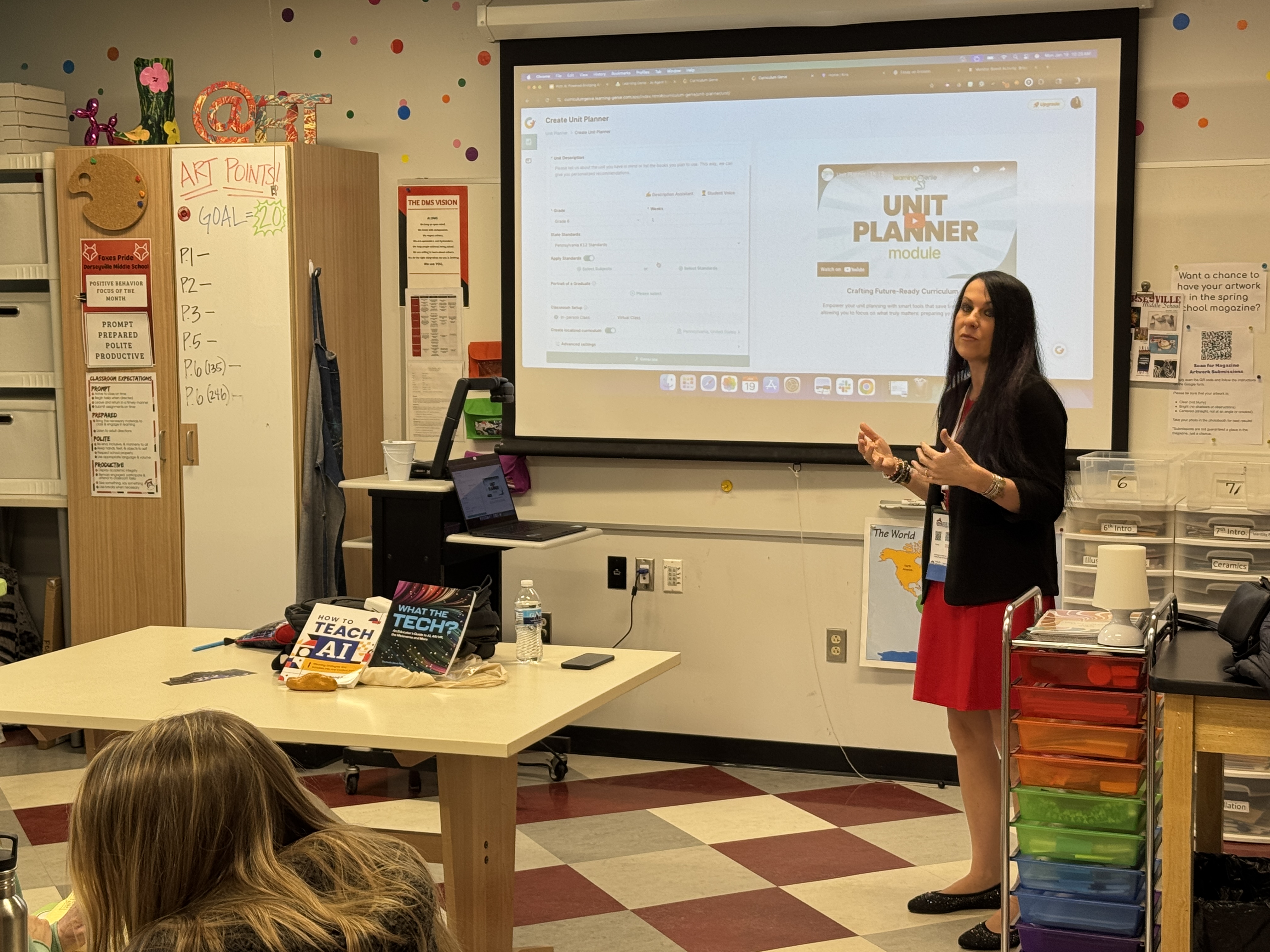
Enjoy sharing about Learning Genie in Pittsburgh and other conferences and school PD sessions!
About Rachelle
Dr. Rachelle Dené Poth is a Spanish and STEAM: What’s Next in Emerging Technology Teacher. Rachelle is also an attorney with a Juris Doctor degree from Duquesne University School of Law and a Master’s in Instructional Technology. Rachelle received her Doctorate in Instructional Technology, with a research focus on AI and Professional Development. In addition to teaching, she is a full-time consultant and works with companies and organizations to provide PD, speaking, and consulting services. Contact Rachelle for your event!
Rachelle is an ISTE-certified educator and community leader who served as president of the ISTE Teacher Education Network. By EdTech Digest, she was named the EdTech Trendsetter of 2024, one of 30 K-12 IT Influencers to follow in 2021, and one of 150 Women Global EdTech Thought Leaders in 2022.
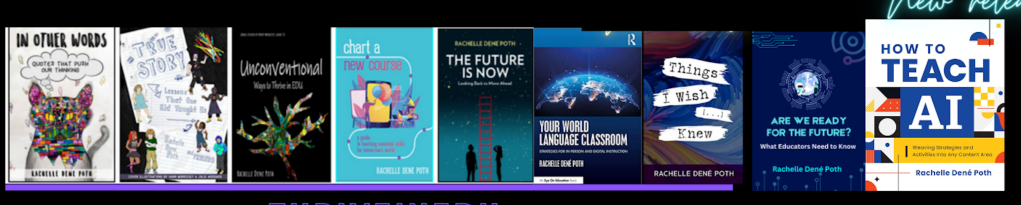
She is the author of ten books, including ‘What The Tech? An Educator’s Guide to AI, AR/VR, the Metaverse and More” and ‘How To Teach AI’. In addition, other books include, “In Other Words: Quotes That Push Our Thinking,” “Unconventional Ways to Thrive in EDU,” “The Future is Now: Looking Back to Move Ahead,” “Chart A New Course: A Guide to Teaching Essential Skills for Tomorrow’s World, “True Story: Lessons That One Kid Taught Us,” “Things I Wish […] Knew” and her newest “How To Teach AI” is available from ISTE or on Amazon.
Contact Rachelle to schedule sessions about Artificial Intelligence, AI and the Law, Coding, AR/VR, and more for your school or event! Submit the Contact Form.
Follow Rachelle on Bluesky, Instagram, and X at @Rdene915
**Interested in writing a guest blog for my site? Would love to share your ideas! Submit your post here. Looking for a new book to read? Find these available at bit.ly/Pothbooks
************ Also, check out my THRIVEinEDU Podcast Here!
Join my show on THRIVEinEDU on Facebook. Join the group here.
 Learning as I go: Reflections & lessons learned