Innovation: Creating and Learning in AR, VR

Originally published on Getting Smart

Every day brings a new opportunity to implement a new tool or method into the classroom, and what better way than to have students be able to immerse in a learning experience. Augmented and virtual reality are becoming more commonly used in K-12 classrooms and higher ed for this purpose. With the increased focus on and questions surrounding the use of AR and VR tools, educators and parents may be wondering about the benefits for student learning. In a recent report from Common Sense, 62% of the parents surveyed, stated they believe that VR will provide educational experiences, this same belief was shared by 84% of parents surveyed, who have children already using VR. In the recently published book Learning Transported, author Jaime Donally focuses a chapter on the reasons that these tools should be welcomed into our classrooms. Some reasons include more authentic learning, innovative learning spaces and a means to transform how students are learning.

The use of AR and VR is about providing powerful opportunities for students to explore objects or places, in ways that traditional tools such as textbooks and videos cannot provide. It enables students to have more control over how they are learning. It is through these augmented and virtual reality tools and apps that we bring never before possible learning experiences, such as travel and the use of holograms, to students. Students can travel anywhere around the world or outer space even and explore these places more closely, looking at what they want and learning in a more authentic way. It is a truly personalized way to learn and one which serves to engage students more by helping them to drive their learning and exploration.

Even more important than having students be able to immerse in learning by interacting with the content, it is of far greater benefit to move students from being simply consumers to being the creators. With the different educational AR and VR tools now available, we not only afford students the possibility of interacting with these objects as they have been, but we create a more engaging opportunity for them to develop the skills that will benefit them in the future. Learning how to create with these different tools and in some cases, being able to collaborate with their peers on projects, will help students to develop critical 21st-century skills. Students will build their ability to problem-solve, to think critically, and to enhance their creativity in the learning process.

Technology of the Future: Tools to get started with AR and VR in your classroom

With so many different apps available, it can be difficult to figure out where to start. As many wind down the school year, this can be a great opportunity to try one of these tools within your classroom. Students learn how to interact with these tools very quickly, it boosts student engagement, which is something that may be decreasing at this time of the year. Here are two tools and how we used them. They each offer many options for classroom use as well as ready-made examples that can be used to get started.

As a long-standing fan of technology and the endless possibilities, any time I learn about a new tool, I either immediately create an account and try to figure it out on my own or I learn just enough about it to get my students started working on something. In the last couple of years, I’ve come across CoSpacesEDU and Metaverse. I had no idea what to expect other than knowing I would be able to include unique learning experiences for my students, through the use of augmented and virtual reality tools.

So what’s the learning curve with some of these tools? Personally, I am the type of learner who would rather struggle and figure things out on my own first. Only after I have seemingly exhausted all of my efforts, will I then turn to YouTube or the tool’s website for video tutorials, or connect with other educators in a variety of educational communities found on social media.

CoSpaces: Bring a story to life

Two years ago, when I started creating with CoSpacesEDU, a virtual reality platform, I was immediately amazed at the possibilities for creating my own virtual reality space. Initially, there was a bit of a learning curve, but I was determined to work through it on my own. The benefit is that by allowing myself to push through the challenges I encountered, it helped me to better understand some areas that might require me to step in and help my students as they created their own space. I wanted to be prepared for their questions, and be able to help some, but not too much, as it is important for students to learn to problem solve and develop these skills on their own.

In prior years, students in Spanish II would narrate their childhood by creating a drawing and writing a story below their illustration. Authentic work such as this helps students to connect more to the content and it is a great way for teachers to learn more about students. However, this year, I wanted to take a different approach and decided to try CoSpacesEDU, with my Spanish II classes. I thought it would be a fun way to create a story and then be able to use headsets to walk through the spaces they created.

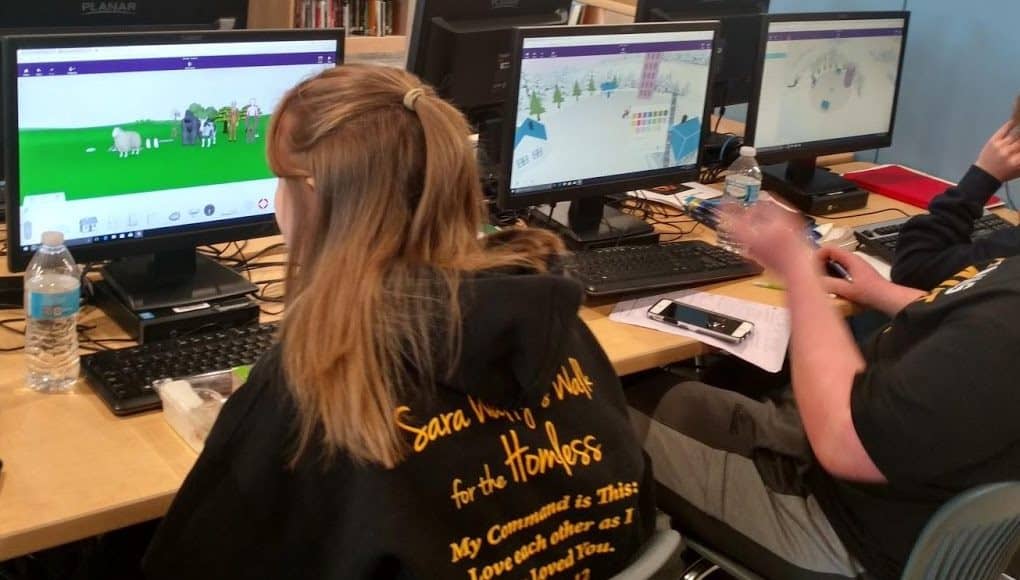
I started by grouping students randomly, having them select from chapter vocabulary cards, and then using the newer “Collaborate” feature of CoSpaces EDU, to have them create their story together. Students can now be placed in groups and collaborate on one project. Students began creating their spaces, adding in objects, animations and sound, using Blockly to code and more. They were amazed at the ability to collaborate in the same space and see objects moving on each of their screens. They worked as a team to create amazing, memorable stories that help them to meaningfully practice the content, narrate a story and have fun while learning.

We know that using technology just for the sake of using it does not make sense. However using technology that enables students to create, collaborate, problem-solve and be curious in learning, leads to more motivation and student engagement. It was a risk to do this, but one which had tremendous benefits for all of us “learners” in the classroom.

MetaverseApp

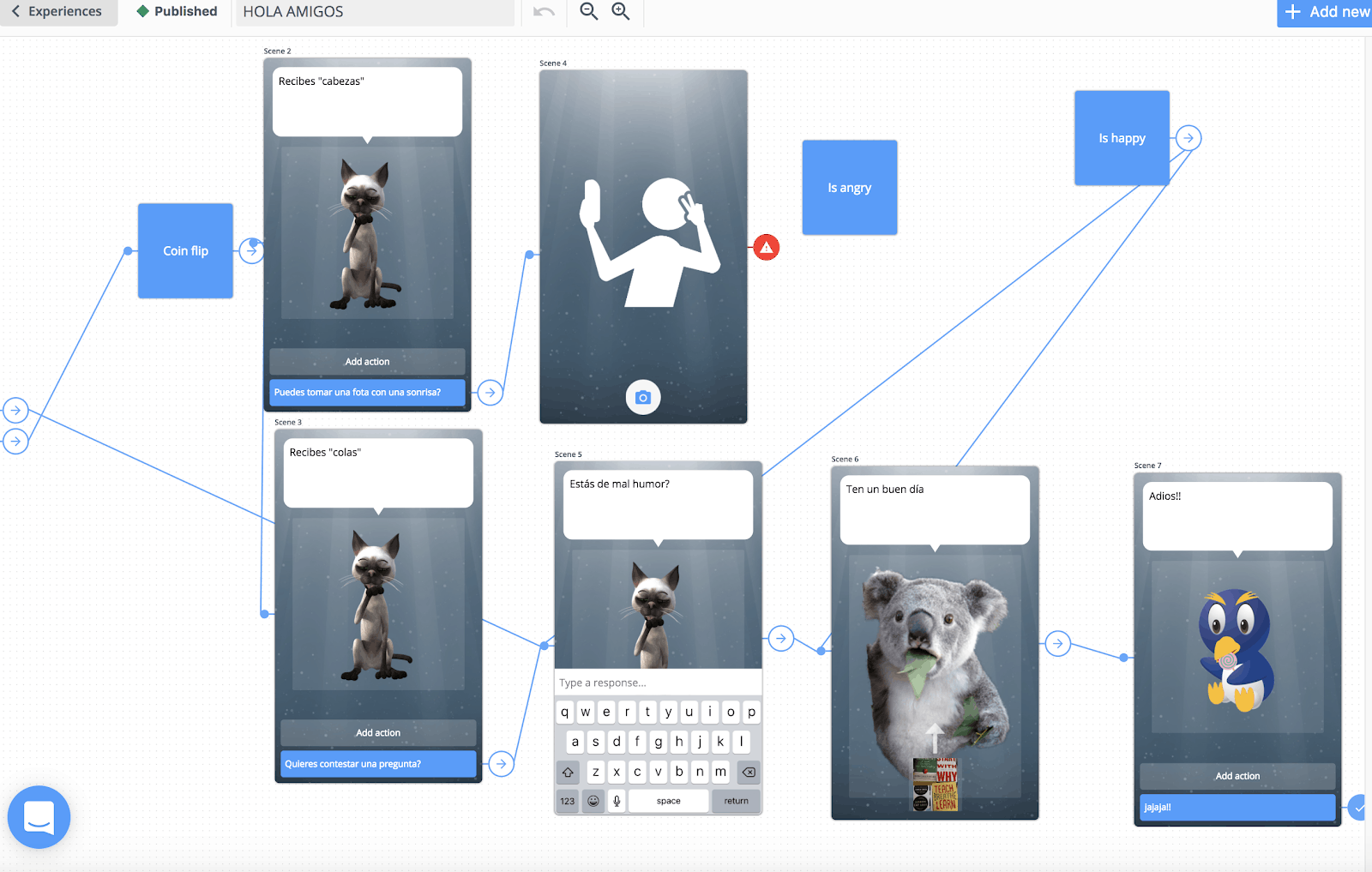
Metaverse enables the user to create an “experience” which includes activities and different features, for augmented and virtual reality. Creating with Metaverse offers students immersive ways to interact with the content. It can be rather simple to get started, as Metaverse has a library full of helpful tutorial videos and they are also available through the chat feature within the platform. Metaverse can be used to create an immersive, interactive learning “experience”, where students have so many choices in design, libraries full of different characters, GIFS, various objects, 360 images or videos, portals, Google Vision options and more.

When we began using Metaverse, I wasn’t sure if students would be able to navigate the platform (the layout is a storyboard). What I found was that students were able to quickly create their own experiences, which led me to ask them to also facilitate in the class and answer any questions that their classmates had.  What I noticed was an emergence of “student leaders,” a team of Metaverse creators, 8th-grade students who were sharing their knowledge and excited to do so.

How to use it? Have students create a quiz, a fun game, or simply tell a story.

Learning together

I don’t have all of the answers, but I enjoy being able to turn to students for help. I enjoy learning with and from them. Empowering students with the opportunity to share their skills brings about positive changes in the classroom, especially in terms of peer relationships and collaboration. Trying out new technologies shows we are interested in bringing new ideas and ways to learn into our classrooms, which is a good model for students.

Want to know more? There are a lot of resources available. I recommend joining in the weekly #ARVRinedu Twitter chat on Wednesday nights at 8 CT/9ET or taking a look at the many resources available on Jaime Donally’s website.

Creation just got even better with Buncee!

Rachelle Dene Poth

One of my favorite things about teaching, besides working with my students, is finding new and engaging ways to have students create and show their learning. I remember when I first came across Buncee about two years ago, I really enjoyed creating different presentations and exploring all of the choices that were available. Coming up with new ways to use it in the classroom and even creating a Buncee for Open House, that could later be sent to families who could not attend. I was amazed at the many options to include my own images and even to record messages explaining what students would be doing in our class throughout the year. An added benefit was that by sharing one of the tools that students would be using in class, I hoped that it might become something that other members of the family could use as well, because Buncee works for everything!

Buncee is the one tool that educators and students need for creating a multimedia presentation that includes animations, a drawing feature, emojis, stickers, 360 images and even audio and video embedded within and a lot more. As teachers, we should strive to offer different choices for our students to be able to show what they are learning and to apply their knowledge in a way that provides opportunities for them to be creative, to have fun while creating, and that will engage students more in learning. Buncee has consistently provided a presentation tool that offers all of this and much more for our students and for everyone.

Newest options

There are new features and items added all of the time, but some of the other features that were a game changer for me was being able to set up classes, thousands of new items to choose from in the gallery, and even new ways to share the Buncee creations. We were thrilled when students realized that they could share their work seamlessly by sharing to Google Classroom. In my own classroom, I think it is so important to give students more choices and to provide a tool that offers more than just one format for students to create with. Using Buncee, students can find what they need to be creative, communicate ideas, and think critically about the work they are doing, while having fun during the creation process. It promotes student engagement because they can truly create something that is authentic and meaningful to them. And it enables educators to learn more about the students in the process.

BunceeAdventure.png

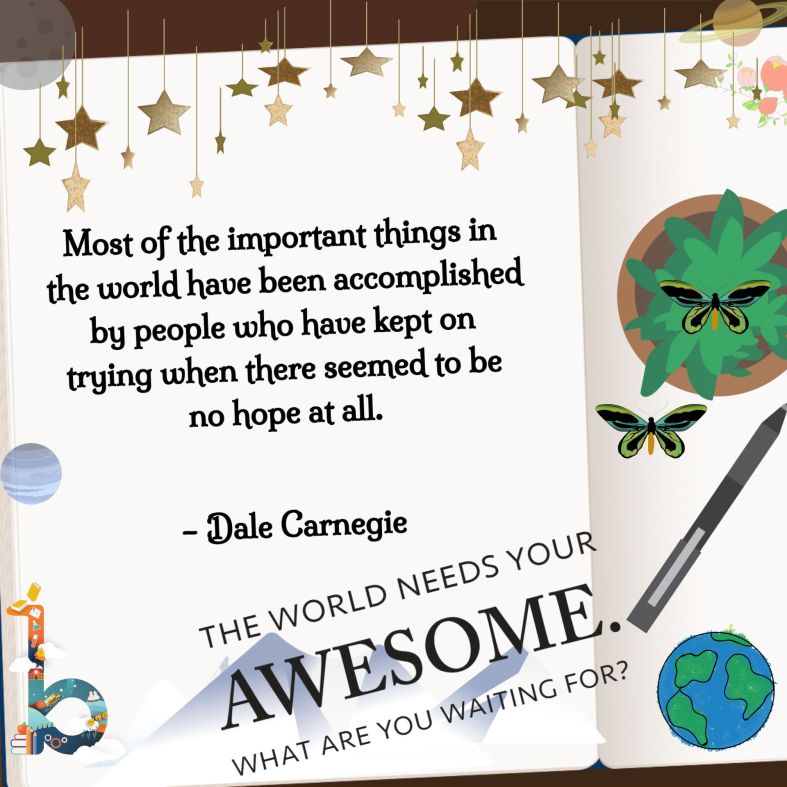
I love creating Buncees to share quotes!

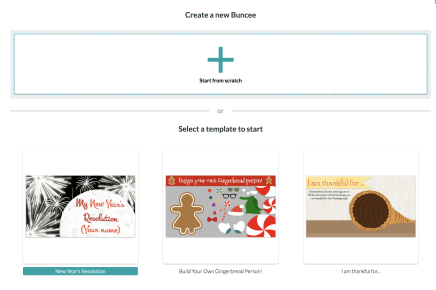
Templates are here!

Finding enough time to get started with new tools is often a challenge, but with the new templates, creation just got even easier. Buncee enables the user to create something wonderful in a very short amount of time. Just this week, Buncee launched hundreds of new templates, divided into categories based on topic or type of media format. With these new templates, it now offers even more options to make creating more personal and fun.

With the new templates, it’s easy to get started creating right away. There are many different categories to choose from including: Awards, bookmarks, business cards, flyers and events, printable worksheets, scrapbook and photo albums, various social media formats and much more. The hard part is deciding which one to go with because there are so many awesome choices, and when you start looking at them, the ideas for how you can use them keep coming. Don’t be surprised if you start creating and then keep on going, there is so much to choose from that can truly enhance the learning and teaching process.

Select a Template and Go!

Once you select a template, it becomes yours to change and to really make it your own. Each template is different and when you select one, you can preview the different backgrounds that will be included within the template. You can easily change the font color and style, change the colors in the background and then add more items into your Buncee. Creating with a template is perfect for anyone who wants to get started quickly, but does not have a lot of time to search different backgrounds and add in text and other items. You can change anything within the template, it simply makes getting started easier and gives you more time to find fun animations, stickers, emojis and more to visually represent your learning. Using the templates is also perfect if you don’t have a lot of time in class, but want students to be able to create something unique and personal to them, giving a boost in confidence by having a great starting point that they can build upon.

Buncee has made it their mission to amplify student learning and provide a tool that enables each student, educator, anyone to visually communicate learning, thoughts, experiences and create something unique. It gives students a ton of options and a safe space to explore and find exactly what they need. Can’t wait to see what they create!

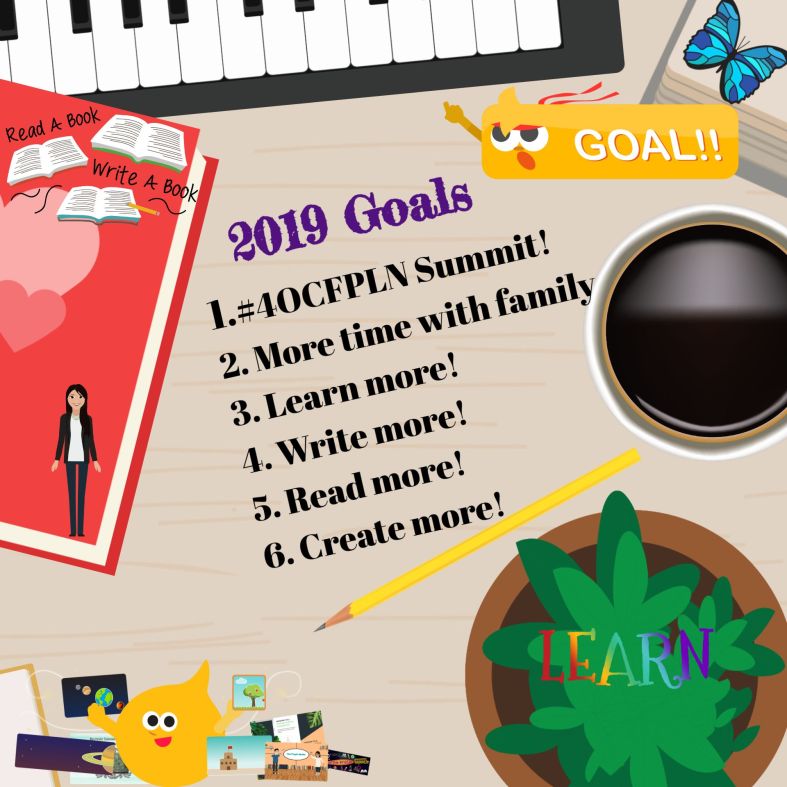
Bunceegoals

Make it your own, use the template then build!

BunceeCarnegis

3D Bear: Bringing Augmented Reality to Every Classroom

Sign up for a ONE MONTH Teacher Trial here:

There is so much discussion going on today about Augmented and Virtual Reality and how it can be used for education. I have signed up for a lot of alerts to keep me informed when new AR/VR tools come out or there is news about schools around the world and how they are using augmented and virtual reality to amplify student learning. Alerts arrive throughout the day and one thing is clear, these tools have tremendous potential to really engage students in a completely different kind of learning, giving them more control in the classroom.

Learning Curve

Because the concept of augmented and virtual reality seems so detailed and can be hard to grasp if you’ve not had experience with either of these, people tend to think that using these with students might be difficult or the learning curve might be too steep. Time is a huge factor when it comes to deciding what tools and methods to use in the classroom and I’m sure that there is not a single teacher who hasn’t occasionally said, if not on a daily basis, “I wish I had enough time to…” There’s always something they want to learn, something different to try that might have been on their to-do list for a really long time but they just have not been able to devote any time to it.

The great thing about tools like 3D Bear is that teachers don’t really have to spend a lot of time trying it out on their own or figuring out how to get started using it. This is what we want our students to do. We want to put tools that can engage them and more authentic and meaningful learning in their hands. Students learn more by doing and having opportunities to engage in hands-on activities, where they control the direction their learning takes. We cannot give students the answers or always show them how to do something, they have to experience some struggles. They will need to know how to problem solve, collaborate, communicate and to even create on their own as they are preparing for the future and life in general.

When thinking about adding some new technology into the classroom, we really need to focus on the why behind choosing a specific tool or method. What makes it different and what can it do differently for students, that can enhance the learning process and go beyond the traditional methods that are already being used in the classroom. What sets it apart from other options or methods you have been using? I think the answer is clear. We should select tools that help us move students to a more active role in the classroom rather than passively learning. By having students become the creators and immerse in a new learning environment, we will provide them with voice and choice in learning and lead them to explore through emerging trends in education.

Why 3D Bear

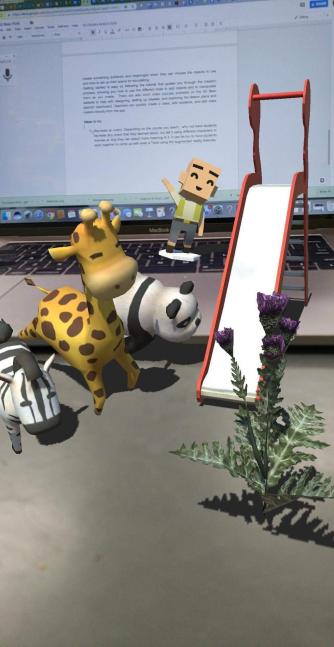
When I finally decided to get my new iPad this summer, I couldn’t wait to try out the different augmented reality apps. Actually, the whole reason that I bought the iPad was for this purpose. The first app that I tried was 3D Bear. I did not look for any tutorials, simply started clicking the options and found that it was very easy to use and a lot of fun. I was able to quickly figure out how to add items and manipulate them in the space I chose. Seeing the group of bears dancing around the middle of my table was fun. I could immediately see the potential for student learning regardless of the content area or grade level taught. Students can use it to create 3D objects in different spaces and have the opportunity to record a story to go along with it. The potential and power of storytelling in AR is awesome. What better way to have students represent their learning than to design their own story and deciding what to place in their environment and then creating a narration to go along with it.

Ideas for the Classroom and Getting Started

With so many new technologies entering the educational setting, it can be challenging to figure out which might be the best for your students. So we always want to focus on the “why” and determine what purpose will it serve that will amplify student learning. Being able to interact with and create a new learning environment through 3D Bear, will help students develop so many of the skills they need to be successful in the future. There are a lot of options for having students learn through 3D Bear. A nice feature is having access to ready-made lesson plans that can be used in any level which focus on content such as Social Studies, Math, Science, ELA and STEM, and STEAM-related topics. The lesson plans include different resources, worksheets, and links to other helpful reading materials. We can give students the opportunities to create, design and re-enact events in a more engaging way.

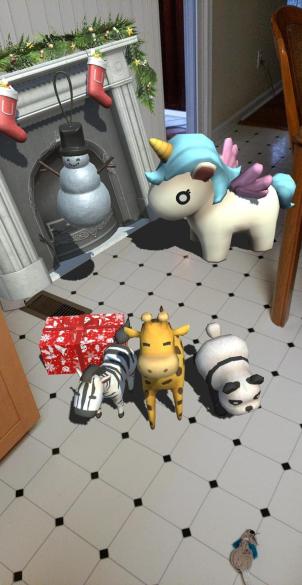
Features The best part of 3D Bear is the number of choices available for students and teachers to select from. There are a diverse group of objects that can be added in to create a story, making it easy to integrate this tool into any content area. Some of the object types are People, Garden, School, Animals, Holidays, Household, Emotions and even a category of funny items. There are a lot of possibilities for students to really create something authentic and meaningful when they can choose the objects to use and how to set up their scene for storytelling.

Once you log in, getting started is easy. Simply follow the tutorial that guides you through the creation process, showing you how to use the different tools to add objects and to manipulate them as you create. Or if you want to skip the tutorial, you can get started on your own. It is user-friendly and you can create something in a short period of time. There are also short video tutorials available on the 3D Bear website to help with designing, setting up classes, and exploring the lesson plans and teacher dashboard. Teachers can quickly create a class, add students, and edit class rosters directly from the app.

5 Ideas to try

  1. About Me: Getting to know our students is fundamental to our work in the classroom. Why not have students use 3D Bear to tell a story about themselves. With so many things to choose from, students can design something to reflect who they are, share their interests and even record a narration to explain. It will be fun learning about the students using AR to tell their story.
  2. Recreate an event: Depending on the content area you teach, why not have students recreate an event that they learned about, but tell it using different characters or themes so that they can attach more meaning to it and retain the content better. It can be fun to have students work together to come up with a twist using the augmented reality features. Learning about a famous historical period? Have students use the holiday theme or funny characters to explain key events or topics and then add narration to clarify if needed.
  3. Design a new space: Give students an opportunity to create a “dream house”, a new school, a new building for their town or even somewhere they would like to explore. With so many options available to choose from, students will be tasked with problem-solving, critical thinking, and collaborating to brainstorm ideas with their peers. It will promote creativity and give students the opportunity to dream big and use their imagination to come up with innovative ideas.
  4. Explain an idea or concept: Students can take a concept learned, maybe something in science class or in a math class and use the objects to create something like a biome or a diorama, or simply to visually represent something that is easier to understand by looking at it in 3D.
  5. Special events: Something fun might be to use 3D Bear to advertise an upcoming school event or a class activity instead of the traditional flyer or newsletter format. imagine what members of the school community would think if they were able to learn about a school event by exploring it through augmented reality. There are so many choices available that it just takes a little imagination to come up with a new way to use the tool.

As teachers, there are so many things that we are responsible for and have to keep up with, that it can be difficult to stay current and relevant with all of the emerging trends when it comes to technology. Fortunately, there are tools like 3D Bear that make it easier to get started with and that provide innovative ways for students to learn. It just takes a few minutes to get started and then give the students time to explore on their own and with peers. Sign up for the teacher trial at 3D Bear! Let me know how you use it in your classroom!

Thankful for All the Things #4OCFPLN

Thankful for All the Things

A Blog Written by the #4OCFPLN

null

Rachelle Dene Poth, Spanish and STEAM Teacher, Pittsburgh, PA @Rdene915

www.Rdene915.com

I am thankful for all of the opportunities that each new day brings. Time to continue to build relationships, to connect with students and educators from around the world. For so many years, I was teaching in isolation and did not truly understand the value of being a connected educator and the importance of relationships. A tremendous mentor in law school helped me to see what it truly means to be an educator and the need to focus on the relationships first. His guidance has made such a difference in my personal life as well as my professional life and I will always be thankful for his ongoing support. There are often challenges that come each day, and sometimes it is the challenges we face as educators or it is something that our students are struggling with. We need to connect. As much as our students rely on us to care for and support them, we count on them to lift us up at times as well. Knowing that together we are creating a welcoming and supportive classroom, where students are comfortable asking for help and where they are willing to reach out and help others, is something that I am thankful for each day.

image

Amy Storer, Instructional Coach, Montgomery, TX

“I am thankful for every moment.” Al Green

Every single moment that has occurred in my life so far has led me to where I am today. Some of those moments were filled with love and laughter and some were blanketed in sadness and fear. But each turn taken and road followed has helped to mold me into the person that I have become today and who I will be in the future.  I am thankful for a mother that fought for her daughters to have everything that the world could give them and more. She sacrificed so much for us, and everything we do as educators today is because of her and for her. I am thankful for a dad, who found his way back to us. We are so glad that you did. I am thankful for grandparents and their love and endless amounts of cookies and candy! I am thankful for a sister who is truly my best friend. Thank you for giving me one of my greatest gifts, Nancy and Finn. They crawled right into my heart and filled in the hole that momma left when she passed away. I am so incredibly thankful for them. I am thankful for the love of my love, Tony. Thank you for picking up the phone when I bravely called you in the fall of 1997. Thank you for being my biggest supporter and for loving me for over 20 years. Thank you to my campus family for loving and supporting me in everything that I do. I am so lucky to get to work alongside each of you! Thanks to all of my former students. You truly schooled me on school. I learned all I needed to know from each of you, and I am a better educator and human being because of you.
null

Louie Soper, 5th Grade Teacher, Philadelphia, PA

I am so thankful for the opportunity to teach in the city of Philadelphia this school year.  Albeit some challenges, each day is an opportunity to learn and grow. Learning blocks can be challenging.  Days can be challenging. Weeks can be tough, but I am so so thankful for the relationships I have been able to build with many of my students.  From Fortnite dances to slime, the fun doesn’t end. I am so grateful for this group of students I have this year.  We are all walking side by side daily in our journeys together in becoming the best versions of ourselves we can be.  Lastly, I am so thankful for the regular reminders from the #4ocfpln for pointing out these daily opportunities for growth.

null

Kristi Daws, @kristi_daws, Technology Integration Specialist, Region 9 ESC

I am thankful for my journey. So thankful for the support of Bob Johnson who offered me an amazing opportunity to practice my love of music. I left for college a music major switching to math after two wonderful years thanks to Dr. Linda Fausnaugh. She awakened a Math Teacher inside me I did not know existed. After twenty, YES 20!!!, amazing years loving my career I stepped into the unknown and became a Digital Coach under the leadership of Brett Thomas. I was so fortunate to work alongside a leader who pushed, encouraged, challenged, and supported me daily. I followed this leader into my current position as the Region 9 ESC Technology Integration Specialist. I have learned so much in my first few months at R9 and I could not be happier. I don’t know where my journey will take me next, but I have faith that it will be an adventure. #Thankful
image

KathiSue Summers, Educational Mentor for 1st and 2nd year Teachers, Medford, OR

Do You Believe Relationships Are Important?

When I started teaching in 1986 in public education, I was a Lone Ranger. I was the only female teacher out of seven teachers in the small high school where I taught Business and Computers. I didn’t think that being alone in the classroom was uncommon in my educational career. Before coming to public education, I taught for several years in the private sector; there you were on an island.

What I learned quickly was that relationships with other educators and students were very important to me as a person; as well as a professional.  It was easy for me to develop relationships with students, but it was difficult when I was the only female on the high school staff. It was hard for me to relate to the male teachers on staff.

I made it a point to become part of the community during my first year. I  developed many positive relationships and eventually, dear friendships that I still cherish after thirty-three years. There have been many times that a message, a visit or call have made my day. I am thankful that these individuals are in my life.

As the years have passed, I have developed different relationships. I have relationships with professional people I never thought would be in my circle. I think about my Voxer group (#4OCFPLN), my Twitter #PLN and my local face-to-face PLN. These people have helped me to grow professionally.

Do I think relationships are important? Yes, Yes, Yes! And, I am thankful for all the relationships I have made along my journal.
Jennifer Ledford

My one word focus for 2018 has been “SHINE” and when I chose that word, I could never imagine the journey that this year would take me on. I learned through these last 11 months what it truly takes for me to shine. There are some days that my light is easy to find and I simply project it at others and I am good to go. Yet there are other days that my light is underneath a thick layer of grime and muck, which is caused by stress and negativity. This is not the dirt you can simply wipe away but the kind that takes back-breaking scrubbing.

This year has had its share of muck that has attempted to cloud the light I have to shine, yet I am so thankful that in January, I met an incredible group of people that continually help me clean the grime away. They do this by helping me find the courage within myself to combat all the dirt and muck that may come against me in life.

Many who know me know that I am a HUGE Wizard of Oz fan and the way that the 4OCFPLN has helped me through this year can compare to that of the Lion. The Lion lacked the courage to do much of anything and was even losing sleep because of his irrational fears. He then meets a group that soon become his friends and along their journey, he is given opportunities to show the strength and courage inside of him. When they finally reach the Wizard, the Lion realizes he does not need the courage from the Wizard, for his friends have helped him find it in himself.

While I may have not been afraid of everything, I would simply stand back and let some things go even if I knew in my heart they were not what was best. I would let negative words seep in and not do anything to redirect them.  I was managing yet not thriving until I found my group, my tribe, my edu-family. They helped me discover the power within me to roar at the negative words (in the politest way possible) and to stand up for what I know is best.

As we enter this month of thanks and the last 2 months of 2018, I am very thankful for my 4OCFPLN and for all my additional support on Twitter and Voxer. These people have truly shaped me in the last year and helped me become a better educator and a better person. I am also very thankful for this new found courage. It allows me to do what I know should be done in all aspects of my life. While it is not accepted 100% of the time, others have said they have noticed a change for the better in me. As I look forward to 2019, I am excited for the opportunities that this courage can open for me.

I also want to encourage all of you to find your group. Find those people that will allow you to uncover things within that you never knew were possible. If you are open, these changes can impact your life in the most amazing way.

null

Heather Young, Kindergarten teacher, Seattle, WA

@msyoung114

I’m thankful for my students, who come to school with wide eyes every day, willing to dive into whatever we are going to learn.

I’m thankful for the families, who trust every day to grow their children as learners and humans.

I’m thankful for my in-building colleagues, always willing to give perspective when my thoughts might be off track.

Lastly, I’m so thankful for my PLN, a crew of professionals from across the US.  In close to a year, they have pushed my practice to new heights I never imagined reaching.

This list is full of people who believe in me, they are the foundation, the motivation and the joy in my life.  I am so incredibly lucky.


Sarah Fromhold

Sarah Fromhold, Digital Learning Coach McKinney, TX @sew1080

fromholdsblog@wordpress.com

“If you want to go fast, go alone.  If you want to go far, go together.”  ~African proverb

This quote sums up both my journey and my struggle, and I am grateful for both!  My personality is one that I prefer to work alone most of the time. Going through school, I preferred finishing projects on my own rather than working in a group.  Because of this, I usually turned in assignments early and had plenty of free time. However, looking back, I realize I was doing the bare minimum to satisfy the requirements of the assignment.  There was no motivation to dig deeper into a topic. I was good to simply get it done. It was hard for me to find people I trusted to work with because I honestly thought it was better for me to do it alone.

My family, friends, coworkers, and the #4OCFpln have changed my view on the importance of relying on others.  With two young daughters, a husband with odd work hours, and everything I aspire to do personally and professionally, I recognize I cannot do everything by myself (and that’s perfectly fine!).  My coworkers and my PLN are constantly available for my questions and to bounce ideas around. Without my tribe, I would still be moving along in life, but with them, I’m learning, growing, changing, and truly living my best life.
Don Sturm

Don Sturm

Technology Integration Specialist, Morton, IL @sturmdon

Thankfulness is something that is easy to take for granted. I am guilty of looking at situations and only focusing on those annoyances that get under my skin. This blog post idea came at a perfect time for me because I was getting stuck in the rut of not looking at the positives as much as I should. Honestly, I am thankful for those who are willing to make changes. I have learned that many teachers have a genuine fear of change and trying new things. It takes real bravery for some individuals to step out of their comfort zone and, as Tara Martin says, “Cannonball in!” My goal is to be more outwardly thankful to those who decide to throw caution to the wind and try something new for the sake of their students. These teachers and administrators need to realize that their willingness to conquer their fears sends a message to their students and staff that risk-taking is ok and necessary. Think about the domino effect of this risk-taking. Relationships will be built, growth mindset thinking will become the norm, and an overall positive culture will emerge. All of this is needed for schools to be places of learning and inquiry.
Laura Steinbrink.jpg

Laura Steinbrink, HS English, Tech Integration, District Communications Director/Webmaster, Plato, MO @SteinbrinkLaura

My life is busy. It seems like my family and I are always on the go, sometimes in separate directions, for at least two of the three sporting seasons during the school year. Yes, you read that correctly. I said sporting seasons because that is how my school year is divided in my mind. Besides the titles of my job that I listed above, I am also the assistant coach for our volleyball and softball teams, and this year my husband, the tech director for our district, became the head cross country coach. So for the beginning of the school year through this first weekend of November, we have juggled schedules for my volleyball practices and games, my husband’s cross country practices and meets, and our son’s junior high basketball practices and games. This alone is enough to overwhelm a family, but me? I’m thankful. I spent a lot of time with my volleyball team, making connections with those students, watching them struggle, succeed, persevere, break down, and get back up again. Did I miss my son’s games because of my coaching duties? Just one. My district honored my desire to be a mom first and a coach second. Did my husband regret his choice to coach this year? He developed close relationships with his team as they struggled and pushed themselves to get up and down the hills around our school and in their personal lives. At our son’s games, we connected with families and students too. His teammates will be in my classroom in a few years, and when they walk through the door and become officially mine, I will already have a solid foundation for a relationship with them.

Did we still attend other school events during our whirlwind fall season? Yes. We supported as many students and staff as we possibly could. Did we make it to everything? No. But I am thankful for all the things we were able to do, relationships we forged or broadened, the impact we may have had on students, and the impact those same students most definitely have had on us. We may not always be able to do all of the things we want to do, but I am very grateful for all of the things we can do.
John Martinez.png

John Martinez, elementary school principal, Rowland Hts, CA @jmartinez727

http://betweenthejohns.com/

In 1963, my father Eduardo left his homeland to make a new life in America. At 31 years of age, he arrived in New York leaving behind his wife Maria, four children, and all the people he knew.  When he arrived in New York he began the journey of finding work and earning enough to bring his family together. He didn’t speak English and did not have a trade. So he took whichever job he could find: work in kitchens, factories, and more. He worked two to three jobs at a time and left one job for another if it meant he could earn more or learn a marketable skill. In the meantime, my mom was caring for her children not knowing how the venture would unfold. In six months my dad had earned enough to bring the family from Colombia to the United States. Seemingly overnight, my family’s fortunes had changed. Opportunities and life trajectories for my siblings, for my parents, and for myself were transformed. My dad’s journey continued – finding different jobs, taking classes at night to learn English, and connecting with other immigrants for support. Then he did it all again. He packed his bags and traveled across the country to Los Angeles because he believed there were more opportunities out west. My mom continued to be the rock of our family in the way she supported my dad and nurtured her children. My dad found more jobs, continued learning English and made new connections with others. Not long after, my mom and siblings made the cross-country trip by railroad and began their new lives in Los Angeles. All of this happened before I came along in 1968. By then, the tireless of efforts of my mom and dad had set the foundation for my family’s success. For the next twenty years, they continued building on that foundation. My dad worked as many jobs as needed. My mom got jobs as us kids grew a bit older and more comfortable in our surroundings. Throughout my childhood, I saw countless examples of my parents’ dedication to their family. The way they faced and overcame adversity taught me to persevere. The way they modeled the values of family, faith, and country taught me to be loyal and sustain my beliefs. I learned about teamwork, integrity, and courage from my parents. I am thankful to my parents for emigrating to the USA. Who I am, where I am, what I am, and why I am would not be had my parents not had their vision and their courage. I am thankful to America, the fertile soil where my family could boom.

Matt Larson

Matthew Larson, PE teacher, Trenton, NJ, @mlarson_nj

I am thankful for one, all-encompassing thing…my support network. This network includes personal, professional, and pseudo-family supporters.

My professional support comes from my place of work. I am entering my fourth year teaching in an urban charter school and it has been quite the growing experience since day one. Since beginning there I have started and finished a degree in Ed Leadership and been on the hunt to move into administration to pursue and accomplish my vision of education. My colleagues and supervisors know of my search and aspirations and have been in my corner supporting my attempts every step of the way from writing references to covering my class when I have to miss time at school in order to interview. For them I am thankful!

My pseudo-family of support comes from my PLF, professional learning family. This group came together as strangers around a book study in January of 2018 and has since stayed together, met in real life, presented at conferences together, and truly become a support network both personally and professionally. Every day we continuously push each other to explain and rationalize thinking, challenge long-held beliefs, and grow beyond what we thought we could accomplish. They have truly helped my journey through daily conversations as I have to constantly verbalize my beliefs, values, and transformations regarding education, children, and working with adults. I can honestly attribute the nearness to my professional goals to this collective group. They are the individuals writing this blog collectively. For them I am thankful!

My personal family is a group I am indebted to and thankful for beyond words. I have twin 11-month old girls, a four-year-old son, my partner Jackie, two dogs, and three cats. Four years ago I left North Carolina to be with Jackie and Hayden as they moved back to New Jersey to be nearer Jackie’s family. Since then Jackie’s family and friends have been the safety net for us, young parents, as we tried to build careers and roots of our own in The Garden State. Without Jackie’s family and friends neither of us could be doing what we are doing. Without Jackie, I could not do what I do. Every day I am out of the house by 6am and don’t return until 6pm. During that time she is either at home with 2-3 kids by herself or she has childcare taken care–something she personally puts together because I have no connections within 400 miles to help with our children. Jackie knows and understands my professional goals and supports me through every interview and through every let-down. For her I am thankful.

I am also thankful for you, the reader, for taking time to read our collective work of #thankful thoughts.

Jennifer Ledford

Jennifer Ledford, 6th grade ELA teacher, Hammond IN

@MrsLedford6Eng

(https://theclassroomstage.blogspot.com)

My one-word focus for 2018 has been “SHINE” and when I chose that word, I could never imagine the journey that this year would take me on. I learned through these last 11 months what it truly takes for me to shine. There are some days that my light is easy to find and I simply project it at others and I am good to go. Yet there are other days that my light is underneath a thick layer of grime and muck, which is caused by stress and negativity. This is not the dirt you can simply wipe away but the kind that takes back-breaking scrubbing.

This year has had its share of muck that has attempted to cloud the light I have to shine, yet I am so thankful that in January, I met an incredible group of people that continually help me clean the grime away. They do this by helping me find the courage within myself to combat all the dirt and muck that may come against me in life.

Many who know me know that I am a HUGE Wizard of Oz fan and the way that the 4OCFPLN has helped me through this year can compare to that of the Lion. The Lion lacked the courage to do much of anything and was even losing sleep because of his irrational fears. He then meets a group that soon become his friends and along their journey, he is given opportunities to show the strength and courage inside of him. When they finally reach the Wizard, the Lion realizes he does not need the courage from the Wizard, for his friends have helped him find it in himself.

While I may have not been afraid of everything, I would simply stand back and let some things go even if I knew in my heart they were not what was best. I would let negative words seep in and not do anything to redirect them.  I was managing yet not thriving until I found my group, my tribe, my edu-family. They helped me discover the power within me to roar at the negative words (in the politest way possible) and to stand up for what I know is best.

As we enter this month of thanks and the last 2 months of 2018, I am very thankful for my 4OCFPLN and for all my additional support on Twitter and Voxer. These people have truly shaped me in the last year and helped me become a better educator and a better person. I am also very thankful for this new found courage. It allows me to do what I know should be done in all aspects of my life. While it is not accepted 100% of the time, others have said they have noticed a change for the better in me. As I look forward to 2019, I am excited for the opportunities that this courage can open for me.

I also want to encourage all of you to find your group. Find those people that will allow you to uncover things within that you never knew were possible. If you are open, these changes can impact your life in the most amazing way.
Maureen Hayes

Maureen Hayes, K-6 Humanities Supervisor in Lawrence Township, NJ   @mhayes611

As we enter the month of reflection and gratitude, I am thankful for those who encourage and push me every day to be my best….teachers & staff, administrators, students & my PLN.

The teachers and staff members I have the privilege to work with each day continually expect my best as an instructional leader. My job is to support them as they plan for instruction and work to meet the needs of all students in our district. They hold me accountable for being a researcher and reader and sharing my knowledge with them.

I am fortunate to be a part of a district administrative them that is continually pushing the limits and asking “why not” when it comes to serving our students. Each of the building principals on our team is true PIRATE Principals, and my fellow instructional supervisor team is a supportive group of instructional rock stars, especially my elementary counterpart Kristin Burke (kburke4242) who is the peanut butter to my jelly, the carrots to my peas, the macaroni to my cheese…

I am continually reminded of my purpose as an educator, and that is the students I serve. Every decision I make needs to be in the best interest of the students in my district.

Finally, my PLN/PLF, the #4OCFpln has by far been the greatest influence on me as an educator and leader, thanks to the daily talks, monthly book studies, and ongoing push-back and support they provide me. Each day spent in conversation with them is the best PD I have ever had.


Kimberly Isham

Kimberly Isham, K-5 Reading Specialist, Greenville TX   @Isham_Literacy

https://kimberlyisham.blogspot.com

This past spring, my mother spent 2 weeks in a Critical Care unit about an hour away from my home.  I am so grateful that we did not lose her. My parents have been some of my strongest supporters and most important critics.  They have modeled hospitality and generosity throughout their lives. Their example and encouragement have been a big part of making me the person I am today.

My husband is my biggest supporter, whether it be acting as my cheerleader when I take on a project I am not sure about or letting me vent when I am frustrated with something at school.  He makes me laugh and lets me know in a million ways how much he loves me and our boys.

My children (biological and school) have challenged my thinking as I strive to give them the best of myself in helping them to be the best version of themselves.  

My co-workers have caused me to question what I know as I work within the box we know as the public school system.

My #4OCFpln has been a serendipitous group that not only gets me, but also pushes me to do more, learn more, and be more.

I am thankful that God has brought all these forces into my life to help me continue on this path of growth to be the person He created me to be.

Cathy Hink.PNG

Cathy Hink, Kindergarten Teacher & Technology Resource Teacher

Washington @mshinksclass   Website: cathyhink.com

I am thankful for relationships with…

the Trinity that gives all of life deep meaning and purpose empowers me with a strong faith, sense of hope and teaches me everyday what it means to love and be loved.

a daughter who has taught me the meaning of true love, courage and joy beyond measure.

Boo my loyal fur baby,  who provides soft cuddles, smiles and giggles everyday.

Family that has nurtured and shaped my character.  For a mom that taught me unconditional love. For a father who taught me to work hard and be a problem solver.  For siblings that have taught me acceptance and taught me the fine art of negotiation and compromise. ; )

friends who have added laughter, compassion, support as they accept me as I am and encourage, support and hold me accountable to be the best me I can be.

young students who remind me of the power and wisdom found in wonder and play and who daily model what it means to be resilient and trusting.

My #40CFPLN (a.k.a. My Tribe) who live out the honorable task of educating, loving and advocating for the children of this great nation.  Their courage, intelligence, dedication, and passion consistently inspire, strengthen and motivate me.

IMG_2750.jpeg

Elizabeth Merce- Kindergarten Teacher Virginia Beach, VA @EMercedLearning EMercedLearning.com

As I reflect on all the things I am thankful for I keep coming back to the people.  Each person I meet has changed me in some way, they have left a part of themselves with me.

I am thankful for my amazing husband and daughter who have given me the strength to try all the things.  The unconditional love they give me allows me to dream big dreams and chase them. I have been blessed with an amazing support at home.

I am thankful for all the educators that have touched my life as a child and as an adult.  I have learned so much from them. Sometimes it was just as an example of what not to do, but more often than not it was what teaching can be.

This year I also get to be thankful for my #4OCFpln.  I have found my people in this group. I have had more support and growth in the past year than in any time period in my life.  There are no words to adequately describe how this group of strangers have become my second family, my teaching home.


Mike Messner — High School Teacher, Los Altos, CA

https://momentswithmike257577506.wordpress.com/

This year, my thanks goes out in many, many directions…

To my wife Nancy, who sustains and accompanies me on my life journey and my teaching journey, and who always reminds me what those journeys are really all about.

To my son Stephen, who calls me to reflect on the job I do as an educator, and who has unflagging faith in his old man.  Breakfast at Black Bear Diner this weekend, bucko.

To Snoopy, who is the single most loving creature with more than two legs that I have ever met or am ever likely to.  

To my closest companions at Los Altos High School, Seth Donnelly, Chris Phipps, and Katherine Orozco, who have seen me at my most distraught and exhausted, and still take the time to fellowship and collaborate with me.

To the teachers who touched me most deeply and influenced my practice most profoundly: Dave Squellati, Mark Shaull, Wynne Satterwhite, and Jerry Messner (save me a seat in heaven next to you, Dad).

To my students at Los Altos and at Skyline College for allowing me to try out new ways of teaching and who forgive me when they go awry — and especially the members of Future Business Leaders of America for letting me take a fun and exciting ride as your adviser!

To the members of #4OCFPLN for their support, their exhortations, and their relentless drive to make our education system better; I cannot imagine where I would be as a teacher without this group of voices, and I can’t wait to see you all in person.

And to my Father in Heaven: Thank You for allowing me to shed burdens that might have destroyed me, for giving me a future that I think I understand, and the promise of an eternity in Your presence.

God bless us, every one.  Happy Turkey.


Debbie Holman, Science 8, AVID, Wellington, CO.

I have so much to be thankful for.   I truly feel as if I am blessed by all those who support,  encourage me and help me learn.

I’m thankful for my family including my awesome sister my amazing parents my nieces and nephew and all of my extended family, that support me day in and day out and make sure that I am at my best.  I would not be who I am without these people who have supported throughout my life.

I’m thankful for my husband who deals with the frustrations that come with being the husband of an educator. He constantly supports all of my Endeavors and all of the things that I use our hard-earned money to bring things into my classroom to support the Science Education of all my students.

I’m thankful for my colleagues who understand the way I work and work with me as I am always challenging myself to try new things to make the instruction in my classroom new and better.  

I’m also thankful for my tribe, my professional learning network, or my professional learning family, The #4OCFPLN They encourage, inspire, and challenge my thinking on a daily basis. I am so thankful to be part of such an amazing, brilliant group of educators.  

I’m also thankful for my two fluffy amazing Great Pyrenees dogs, Bear and Taos. No matter the day I have, they always listen and are available for a good snuggle if necessary!

Debbie Holman, Science 8, AVID, Wellington, CO.

I have so much to be thankful for.   I truly feel as if I am blessed by all those who support,  encourage, and inspire me. I am thankful for my family that support me day in and day out and make sure that I am at my best.  I am thankful for my husband who deals with the frustrations that come with being the husband of an educator. He constantly supports all of my Endeavors and all of the things that I use our hard-earned money for to bring things into my classroom to support the Science Education of all my students. I am thankful to the young people that I am privileged to work with every day.  They push me to be better than I was the day before because they deserve the very best I have to give. I am thankful for my colleagues who understand the way I work and work with me as I am always challenging myself to try new things to make the instruction in my classroom new and better. I am thankful for my tribe, my professional learning network, or my professional learning family, The #4OCFPLN. They encourage, inspire, and challenge my thinking on a daily basis. I am so empowered and inspired to be part of such an amazing, brilliant group of educators.  I’m also thankful for my two fluffy Great Pyrenees dogs, Bear and Taos. No matter the day I have, they always listen and are available for a good snuggle!


4OCFPLN

Making Global Connections: How and why it matters


by Rachelle Dene Poth

It is amazing today what we can accomplish through the use of technology. Past methods we relied on for communicating with friends, family, other schools, and abroad were limited to telephone calls, letters, meeting in person (if geographical location afforded this), for a few examples. When it came to learning, our opportunities for connecting students with others were limited to classrooms within the same school or a nearby school. These interactions had to be set up in advance either by making a phone call or even sending a letter in standard mail. (This goes way back to  my own elementary and high school experience, we did not have cell phones or the Internet and I am not sure about fax). Finding ways to create diverse learning experiences, took a good bit of time and collaboration for everyone. Schools needed to set up transportation, plan the schedule and other logistics, and of course the purpose had to be for a beneficial learning experience if it meant disrupting the school day.

We can provide so many more activities and learning experiences for students today, and they can be carried out with little to no real pre-planning, because of the diverse tools we have available through technology. Whether we use a form of social media or connect with a member of our PLN, and try using a tool like Voxer, or Slack, we can have a quick conversation instantly. Differences between time and place do not matter anymore, there is not even a need to move groups to different locations. We can simply talk, share images, livestream videos, use web conferencing, collaborate to add resources, (anything is possible) for us to quickly connect our classroom and our students, with another classroom and students somewhere in the world.

How we can open up these opportunities

There are many options for encouraging and supporting our students as they become globally connected. We should promote these connections so that students can develop a broader understanding of diverse world cultures, perspectives and have an appreciation of different experiences. With so many resources available, we have the ability to truly bring learning experiences to life, immerse students into different cultures and parts of the world, by simply connecting. It just takes one step.

Some examples of how easily this can be accomplished are by using some of the web-based tools available to teachers and students today. Through the use of video tools, many of which are available as free platforms, classrooms can connect with others throughout the world, regardless of differences in time and place. You can truly see what others experience in their day-to-day learning and living, and engage in conversations in real time.

Students can participate in activities like a mystery Skype or collaborate through a discussion, by using tools such as  Padlet or Flipgrid or use something like Appear.In or Zoom, for a live interaction or even Google Hangouts. These are just a few of the many options available to classrooms today. To promote conversation without video, we can use collaborative tools such as Padlet, Gecko or even a class Twitter account, (depending on grade level), as ways to have students connect through writing. In addition to learning about different cultures and establishing global connections, we can build other critical skills like communication and collaboration, digital citizenship and help to engage students more in the learning environment.  Imagine being able to have a conversation with people from 80 different countries at the same time. Regardless of geographical location or time zone, everyone can connect using one of these forms of technology and the many others that are out there.

Getting Started

Connecting globally requires that we as educators be connected. It always starts with us to set an example for our students. We have to build our own professional and globally connected network so that we can provide these learning opportunities to our students. It is worth the time, the risk, and the effort to seek out learning communities and build a community of support. We become stronger and better together, and when we collaborate to provide opportunities for our students to learn from other students, to gain new perspectives, to experience the multitude of ways of collaborating and communicating globally, we take their educational experience to a whole new level. Become a more globally connected classroom today.


Start by joining in on Global Maker Day!

Why we all need mentors and how to make it happen

Published originally on Getting Smart 

One of the most important roles for educators today is that of being a mentor. As educators, we are often called upon to mentor the students in our classroom, as well as colleagues in our school. Throughout our lives, we have all had at one time or another a person who has served as a mentor, whether they have been selected for us or it is a relationship that simply formed on its own. Take a moment and think about the different mentors that you have had in your life. How many of them were teachers? How many of them were other adults, such as family friends or perhaps even coaches? How many of your own mentors have been the colleagues in your building or members of your PLN (Personal or Professional Learning Network)?

There may be a few that come to mind immediately, both because you remember having a specific time that was set aside to work with your mentor, maybe during your first-year of teaching or as a teacher who needed some guidance while working through some of the challenges of teaching. There is probably a mentor that comes to mind because you credit them with some aspect of personal and or professional growth. For myself, I have been fortunate to have some supportive mentors that have helped me to grow professionally and taught me what it means to be a mentor. These relationships are so important because it is through mentorships that we continue to learn and grow and become a better version of ourselves. In the process, we also develop our skills to serve as a mentor to someone else and continue the practice promoting growth.

Getting Started with Mentoring

Take a moment and think about your classroom or your school and the types of programs which may be already in place in your building. Are there specific times set aside for teachers to act as mentors for students? To their colleagues? In my school district, Riverview, we implemented a homeroom mentoring program a few years ago, as part of our RCEP (Riverview Customized Educational Plan) which we were making available for our students. A few years prior to that, we began with the Olweus Bullying Prevention Program, and our school was among the first schools in the United States to achieve national/state recognition for bully prevention. Through the program, we implemented a variety of learning activities, with the goal of engaging students in learning and collaboration, to promote a positive school climate and to create opportunities for students to build positive and supportive peer relationships.

For our Homeroom Mentoring Program, small groups of students in grades 9 through 12, are assigned to a homeroom, with a mentor. By having these smaller groups, the teachers are able to serve as a mentor for each student, working with them closely, to not only support them during their high school experience but also to prepare them for their future after graduation. It is a way to provide a more personalized learning approach for each student and for each student to know they have support available to them. These mentoring homerooms meet on a regular basis, providing ongoing opportunities for the teacher and students to interact in team-building and work on fostering peer relationships. During these homeroom meetings, some of the activities include pride lessons, goal-setting discussions, career exploration surveys and job shadowing, community service experiences and other topics which come up throughout the year. It is a good opportunity for the students to have a small group to work with and to develop critical skills for their future, such as communicating, collaborating, problem-solving, and developing social and emotional learning skills as well.

In addition to the planned activities, a key part of our mentoring program is the creation of a “portfolio” which includes samples of student work, a job shadow reflection, resume, list of volunteer experiences and additional artifacts that students can curate in their portfolio. The past few years, students have organized these materials into a binder, which has been kept in the mentoring homeroom. The materials become a part of their required senior graduation project. This year, we have started creating an e-portfolio, using Naviance, a program that promotes college and career readiness. Students begin by creating their online profile and sharing their activities and interests. Using the program, students can take surveys to learn more about their own skill areas and interests, learn about colleges which might match their interests, and also continue to build their digital citizenship skills. According to one of our guidance counselors, Mrs. Roberta Gross, the mentoring program was implemented to help students make transitions toward post-secondary goals and plans, and moving to the e-portfolio is creating more opportunities for students to explore their own interests and create their online presence.

There are many benefits of having students create an e-portfolio. Moving to an e-portfolio makes it easier to access the information for each student, it can be shared with parents and it opens up more conversations between the students and the mentor teacher. It is important to prepare our students for whatever the future holds for them beyond high school graduation, and working with them as they grow, in these small groups, really promotes more personalized learning experiences and authentic connections.

As a final part of this program, our seniors take part in a senior “exit interview”, a simulated job interview with a panel of three teachers, a mix of elementary teachers and high school teachers. It truly is a great experience to have time to see the growth of each student, learn about their future plans and to provide feedback which will help them continue to grow and be better prepared for their next steps after graduation. And for students, being able to look through their portfolios, reflect on their experiences, self-assess and set new goals, knowing they have support available, is the purpose of the mentoring program.

Resources on Mentoring

There are many resources available that can provide some direction for getting started with an official mentoring program.

  1. The “Adopt a class” program, founded by Patty Alper, who also wrote a book on mentoring called “Teach to Work: How a Mentor, a Mentee, and a Project Can Close the Skills Gap in America.” Alper talks about the impact of mentoring and how her view of it is towards an “entrepreneurial” mindset, preparing students for the future, with the skills they need. Alper breaks down the process into practical steps, with examples and encouragement for those new to the mentoring experience.
  2. The national mentoring partnership “MENTOR”, offers a website full of resources and ways to connect with other mentoring programs. MENTOR even held a Mentoring Summit in Washington, D.C., this January, where professionals and researchers gathered to share ideas and best practices for starting a mentoring program. Be sure to check out their monthly themes and presence on Twitter.
  3. The National Mentoring Resource Center offers a collection of different resources for mentoring include manuals, handouts and a long list of additional guidelines for different content areas, grade levels, culturally responsive materials, toolkits and more. The website has most of the resources available as downloads.

How you can get started

I would recommend that you think about mentors that you may have had at some point during your life. What are some of the qualities that they had which made them a good mentor and why? For me, I felt comfortable talking with my mentor, being open to the feedback that I would receive, and I knew that my mentor was available to support me when I needed. Another benefit is that we learn how to become a mentor for others, and when we have these programs in place, our students will become mentors for one another. I have seen the positive effects in my own classroom, and many times, these new mentorships have formed on their own.


A phenomenal mentor that taught me what it means to be an educator.

DSC00538

DSC00515

Thrilled to have an awesome mentor and professor, thank you Bruce Antkowiak

I am a work in progress

**this is a work in progress

Things on my mind: Self-awareness, Competition,  Failure, Focus

During the last couple of weeks as the school year was winding down, the demands on my time were increasing exponentially. While this may seem a bit exaggerated,  there really is no other way to describe it. Granted, I take a lot of extra things on personally and professionally, when most people meet me, they ask if I sleep. I do, some. So why do I, or educators take on so much? For me, the reason is because I truly am a lifelong learner. I don’t want to miss opportunities, especially when that might mean I miss out on creating opportunities for others.  I don’t want to say no to someone that needs my help, because I realize that for some people, asking for help required that they be vulnerable and step out of their comfort zone. So I will always try to help someone else, even if it means delaying my own goals or veering from some path that I am on. And I am good with that, but I also realize that there is only so much that I can do. 


Self-awareness

Being self-aware means you recognize your strengths and weaknesses, emotions, thoughts, and have a deeper understanding of what motivates you, at least this is my way of defining it. I can somewhat identify my strengths, but it is uncomfortable to openly admit my weaknesses.  I have no problem admitting mistakes and failures in front of my students. The more that I can do this with them, will help to dispel that misconception that failure is final. Personally or among friends, for me, admitting weakness is tough, but the first step in trying to improve is acknowledging that there is a something to improve upon.  I’m well aware that I have certain areas that I need to devote some time to in order to become more effective and consistent and possibly attain some level of balance. If balance is really a thing. Maybe it is because I set demands on myself that are too high or overly ambitious, but I have reached a point in my career and my life, where I feel I need to engage in activities that I am passionate about being involved in. Even while I was in law school,  my friends would often laugh at my ability to multitask and my methods of over-preparation for class. I did then what I try to discourage my own students from doing now. I would take notes on the computer, write notes on paper, listen to the lecture and grade papers all while sending text messages throughout the class. And somehow while doing all of that I still managed to answer a question when called upon. I survived the four years of teaching full-time and four nights a week of law school. When I think back and compare schedules of then and now I feel so much more out of balance now than I did back then. It just does not make sense. 


While this post has started off as random thoughts,  they do have a point, which will present itself sooner or later. (perhaps not even in this post, as I am between a few projects).  These random thoughts are my reflections, and how I become more self-aware. As some of my friends know, I tend to not sit and type but rather speak my thoughts into a document and then go back and revise and reflect in the process. It simply works for me and it makes me more productive, at least I think that it does.  We don’t need to make big gains each day, it is in the small wins, ongoing progress that we achieve more. Reading this post yesterday, reminded me of this fact.  I got away from reading the posts by Thomas Oppong, and this quote helped me through some of my reflections. “It’s so easy to overestimate the importance of one defining moment and underestimate the value of making small gains on a daily basis.” 

But lately, I have not felt as productive as I would want to be. Yes I’ve made lists, checked items off as I completed them, kept up with email only to have two or three emails pop in as soon as one is sent. I have opened Voxer to find four or five hundred messages waiting and many other notifications from other forms of social media. So how does one find balance? How does one keep focus when surrounded by and consumed by so much “connectedness.” In the pursuit of learning, how much is enough and how much is too much?

What I mean is I think as educators we need to involve ourselves in a variety of learning possibilities. We no longer need to leave our homes to go out for professional development, nor be limited to that which we have at our schools. There are so many options available that meet our needs as far as goals and time and passions. But it seems that more and more time is consumed by social media like Voxer or Twitter, just for a few examples. Don’t get me wrong, these are tremendous tools for becoming a connected educator, for breaking away from the isolation that can happen. But how do we keep up with everything and everyone?  If you know, please share.


Competition

It is tough “keeping up” lately. I read a lot of blogs, books and stay active through Twitter and Voxer, and have a pretty good routine for keeping up-to-date with information. Reading has never been a problem for me. The area in which I need to improve is with my own writing. Some days I feel like I just can’t keep up. I feel like I’m falling behind, that I’m not meeting the goal, not pushing myself enough to accomplish things. But today I had a moment to pause and think, and it came after reading  some of the The Path to Serendipity , by Allyson Apsey and also “What School Could Be,” by Ted Dintersmith.  After reading these, it occurred to me that I am doing the exact same thing that I try to stop my students from doing which is push myself so hard, judge myself so critically, to the point where my desire to work and to get things done becomes consumed as soon as my eyes focus on that ever-growing list of goals. I put up a wall and that inner voice tells me that I will never get things done. The inner voice convinces me that I can’t, so I don’t even try.  And then I remember the quote  “the only thing standing in your way is you,” so I need to get out of my own way. 

My list is full of things which are not part of my daily work as a teacher, but rather tasks that I have voluntarily pushed myself into becoming a part of. Maybe it’s my fear of missing out, maybe it’s my drive to keep doing better, to keep pushing myself to do one more thing, take one more step, to see how much I can handle and how much I can learn. But in recognizing this, I realize that my students do this as well. I’ve seen them push themselves and worry that they won’t finish something in time, that they won’t get into the college that their parents want them to, that they won’t get the highest grade, that they won’t be as smart, as quick or as good as somebody else in the class.  Pressure.

How many times this year I have said to them “You don’t need to worry about anybody else. You only need to worry about yourself because you aren’t in competition with anyone else but yourself.”  I came across an anonymous quote a while ago that said “I’m in competition with no one but myself.” The power of this quote really hit me. These are the reminders that I give to my students, but yet are ones that I have failed to be cognizant of within myself.

In reading “Path to Serendipity”, so much of what Allyson says resonated with me, especially when thinking back to when I first started teaching. And in reading “What School Could Be,” I am thinking about the structure of school, the “game” of school and all of the pressure that exists. Pressure which is placed on students whether by the school system itself, the testing, parents, teachers or the students themselves. How do we break this cycle? Wanting the best for someone should be more about supporting them with whatever decision they make, and being there if they find out that it was not the best decision to be made. That’s the risk we take when we step out of our comfort zone, when we go against the grain and do something that is different, that may not be the traditional way to do something but it’s the way that we want, it’s personal to us, it’s our passion.


And I know I have derailed a bit in this, maybe more than a bit, but sometimes it’s good for me to just sit with my computer, and thanks to the voice to text, I can close my eyes and talk through what has been going through my mind, and then edit the writing. Lately it’s been that I just can’t get enough things completed. Countless presentations, proposals, webinars you name it, I am doing and experiencing the same thing that many other educators are experiencing as well. However the difference is that my perception of others is that there are no struggles. Blogs are being published, podcasts are being recorded, books are being written, speeches are being given, and my question is where do you find the time? How can I find a time? And I am so impressed and inspired by the work of my friends and my colleagues who share their stories and seem to have a lot of balance, but then again how do I really know? My perception is not necessarily their reality.

A good friend of mine Mandy Froehlich has written a book which just came out today, called “The Fire Within”, in which she shares personal stories as well as stories of educators who talk about the different struggles that they’ve gone through. We don’t often hear of the struggles and the negative experiences that we as educators may have, but there are a few things that I’m sure of. We need to start with relationships. We need to be open and vulnerable. We have to tell our stories. It is from these stories, whether they are stories of great innovations or epic failures, where we can connect and provide the inspirational redirection that someone else may greatly need. And while telling our story makes us vulnerable, there is great power in vulnerability. Vulnerability does not mean weakness, as defined by Brene Brown in her book “Daring Greatly”. It is “uncertainty,risk and emotional exposure.” My favorite quote from Brown is that vulnerability is “the courage to  show up and be seen even when you have no control over the outcome.” This quote is one I read last summer, and I kept in the back of my mind while preparing for different events in which I felt completely out of control. I didn’t think I had the courage and was ready to back down, but this served as a reminder to me that it was better to try and fail, than to never try at all. The interesting part about this book is that she came up with the title after reading a quote by Teddy Roosevelt from 1910, where he spoke about the man who enters into battle valiantly, and at best he has success and at worst he errs while daring greatly.


Focus

So there is nobody pushing me to get things done but me. Nobody adding more items to the list but myself. And there is nobody that I’m in competition with. I have to accept that I will accomplish the things that I need to accomplish in my own time and in my own way. Pushing the publish button on this was definitely out of my comfort zone, but I’ve been thinking a lot and decided to put my thoughts out there. 

comfort

The real story of being a teacher

ocean under blue sky

Photo by Artem Bali on Pexels.com

Being a teacher is easy.

It must be nice to have your summers off.

You’re so lucky, you don’t have to work on the weekends.

You have such long holiday breaks!

If you are a teacher, you likely have heard at least one of these statements before, perhaps from friends and family, or from people you just meet, that respond with similar statements when they find out that you are a teacher. Are these statements accurate? Well, I guess to an extent, but there are some ways to counter these comments.


It can be easy to be a teacher, if you love what you do, it does not feel like” work.” I enjoy  working with students, learning with and from them, and having the opportunity to start fresh each day and create experiences to engage students in learning. Having the summer off is nice too, but most teachers I know either work in the summer, attend conferences, or pursue some professional development. The “summer off” is nice for providing a more flexible schedule, and a time to reflect, explore new things and prepare for the new school year.

And as for weekends, I am fairly certain that most teachers look forward to the weekend for many reasons. Of course, time with family and time to relax are important. But it is also a time to catch up on some grading, emails, or exploring new methods to bring into the classroom. So weekends without work, I don’t think they happen too much.

And the extended holiday breaks are nice as well. But again, many teachers use this time to reflect, recharge and prepare for the return to school.

So, What is the reality?

The reality of being a teacher is that teaching today can be quite challenging. Maybe in the past, the life of the teacher was perceived to be a pretty comfortable and easy profession. The typical school day of 7:00 to 3:00 or some variation, with weekends and holidays off and of course, that summer break. With those hours and that schedule who wouldn’t want to be a teacher? From the outside looking in, it might seem like each day is the same, right? Each passing year the same as the year prior. How could it be that difficult? Once you make a worksheet or a test you have them to use forever, right?  Lesson plans are the same, projects are the same, and folders full of worksheets and activities pulled from the file cabinet, simply copy it, teach it and then move on to the next day. Same. (hopefully not).

There may be some truth to this, as I’m sure there are some teachers who are teaching the same way that they were taught and/or are using the same materials each day with each class and then doing it all over again the next year. No judgments made.

To an extent, I myself was this type of teacher for a long time. Not because I was trying to take the easy way out or save time. Rather I was using some of the methods that worked for me when I was a student. I thought this was the right way to prepare. And sometimes I used some of the same materials each year because I thought there was value to them for student learning. I know that when I was a student, some of the same issues that exist today existed then (copying homework, cheating on tests), but we didn’t have the technology, which creates tremendous learning opportunities but it also takes away some opportunities as well.

Foreign Language Teacher vs. Online Translators

I thought that being a foreign language teacher meant that I was a member of a group that had a distinct battle not experienced by any other content area.  It took some time for me to notice some bothersome trends in student work. The copying of assignments, the use of online language translators, and even copying information directly from websites. So the struggle was to find a way for students to have authentic practice that would not encourage student copying or trying to take a shortcut with learning. But each year it becomes more and more challenging to stay ahead of technology in this sense. I don’t know the answer as to how to get students to stop copying homework other than to not assign homework. And this has been a very strong discussion as to the value of homework, the type of homework, and whether or not homework should even be given at all. #ditchthehomework (follow the hashtag)


I will not make a decision either way, other than to say that for me, I do assign some “practice” tasks for the students to do, but they typically don’t come in the form of a worksheet. And sometimes when we are working in stations in class, if students do not finish something, I do ask that they work on it until complete. But I do add, “at their pace.”  Instead, I encourage students to practice the content by playing a game of review using the Quizlet cards, sharing a Quizizz game or provide prompts for writing a blog post. And these are ongoing practice tasks that are due on a weekly basis or that I have students create to use in the class. Why? Because in doing this rather than assigning the same worksheet to each student to complete,  I know that it is more authentic, will provide students with personalized practice and it is not something that can readily be copied.

But recently I was rather surprised when I saw some students switching between screens on their computer while working in their practice workbook. (As a side note, I stopped assigning practice from the workbook for homework because of copying).

I thought that by having students work on the pages in class, during stations, that I could interact more and provide more one on one feedback and  give time for students to collaborate with their peers. I did not anticipate this “new” form of copying, until one day a few weeks ago, I caught a glimpse of a student switching screens on his laptop and then writing in the workbook. The process repeated and continued for a few minutes. From across the room I had an idea of what they were doing, but I gave it some time before I walked over. Hoping that I was wrong, and that it was not the website that provides answers to so many books and workbooks. (Still cannot believe what is available).


It was exactly as I had thought, one of the students was using that website, to look up and copy the answers for the workbook. While I understand that there can be comfort in having a resource to look at, especially when a student may be struggling with a concept, it is helpful to learn that you were on the right track. But I do have a problem when the answers to all questions in every book are so easily accessible and available to students. I know when I was in school, often our math teachers would assign questions opposite to the answers that were available in the back of the book. It was nice to have an option to look at some answers to do practice problems and see if we were working on them correctly, and there were times when I did wish that all of the answers were available. But it forced us to push through the challenges and solve the problems. There were struggles in the learning but that’s how we improved and kept going forward.

Simple lesson learned. In these experiences, and on a personal basis, you cannot or should not assign students the exact same thing if you can avoid it. Especially when teaching a higher level course or one in which students have the possibility to create, rather than simply consume. We need to give them more authentic opportunities to practice what they are learning. They need to create, not consume, be active, not passive, and have the opportunity to set their learning path and be curious in their pursuit of knowledge. This is how we prepare them for the future.

DEWEY


12 Tools to Try…before summer break!

Updated from the Original Post on Getting Smart, January 19, 2018

Looking for new ideas to try before the end of the school year? If you have not tried some of this, now is the time!

There are so many digital tools available today that offer opportunities for promoting student creativity, student voice, and expanding where and how students learn. I had my own list of the tools that I found made a big difference in my classroom, but decided to ask students for their input.

Here is a list of tools to try in 2018, (or to try before the end of the year, let’s keep learning!)

Each of these offer multiple ways for students to create, connect and engage in more authentic learning experiences.

Promoting Connected Learners

We were able to take our learning to a whole new level this year through Project Based Learning (PBL). Using these tools enabled us to connect with students from several Spanish speaking countries, which created tremendous possibilities for more authentic learning and broadening our cultural understanding.

1) Edmodo: Virtual learning space, where teachers can set up a digital classroom to connect students with the resources they need, in a safe learning environment. Edmodo can be used for assessments and integrates with Microsoft Office and Google, making it easy to share files with students. Students relied on Edmodo to connect with students in Argentina, Mexico and Spain for their PBL. One student said “these connections enabled me to sculpt my PBL, and learn in ways that books, videos and regular classroom lessons cannot provide.”

2) Flipgrid: Video response tool, which became one of the most talked about tools this past year after launching new features, making it even easier and more fun for students to share their ideas. Students can record up to a five minute response, add emojis to their photos and access the “grid” quickly through a grid code. It is a great tool for helping students to become more comfortable and confident in sharing their ideas and sparking curiosity with their peers.

3) Padlet: Padlet, a virtual wall, is a favorite in our classroom. Students can create a digital portfolio by uploading files and links to projects, curate resources for PBL, or have discussions with classrooms around the world. Other popular ways to use Padlet are to ask questions, post homework, or as a classroom website. Newer features include being able to “like”, “grade” or “upvote” a post and directly transfer posts to another Padlet wall.

4) Recap: Recap 2.0 is a free video response tool, which integrates with Edmodo, Canvas, Schoology, Google Classroom and Blackboard, making it easy to implement right away. It provides a comfortable way for teachers and students to ask questions by setting them up in a “Queue”. Students can submit questions and receive direct feedback, in a safe moderated environment.

Tools to Engage Students in Learning

5) Quizlet Live: Quizlet Live is a fun way to encourage student collaboration by playing a team game using a set of Quizlet study cards. Teachers select a set of study cards, launch a Live game by providing students with a join code, and students are divided into teams. To play, you need at least four players and a study set with at least 12 unique terms. Only one member of the team has the correct answer and answering incorrectly bounces the team score back to zero.

6) Quizizz: Quizizz has launched some new features, including integrating with Edmodo and Google Classroom, which makes sharing or assigning games and reviewing results much easier. When playing live, students can see the class accuracy reflected as it updates the leaderboard live with each response. There are thousands of games available in the library, making it easy to get started or create your own.

7) Kahoot!: Some big changes to the layout and options of the platform make it easier to navigate and review questions in class. Teachers can now assign “challenges” to students as a fun way to practice by sharing a code. The new “Nickname Generator” creates fun and unique usernames such as “Mystery Panda” or “Fantastic Bat” to students. It definitely saves time rather than waiting for students try to come up with their own “creative” names.

8) Kidblog: Blogging has many benefits for helping students to express themselves and begin to develop their online presence. Teachers can provide students with a variety of writing prompts to not only assess student learning, but promote creativity, communication, collaboration and digital citizenship skills. With Kidblog, teachers can even AppSmash (use two or more apps or tools together to complete a task) by embedding other tech tools into the platform, such as Buncee, Flipgrid or by uploading images and documents directly from Google Drive.

Creativity, Assessments, Interactive Lessons and More

9) Buncee: Buncee, a versatile presentation and assessment tool, is great for creating multimedia projects full of animations, graphics, audio, and videos. Choose from thousands of templates, backgrounds, animations and other graphics to create invitations, classroom signs, and unique “Buncees” for any purpose. Buncee enables every student to find exactly what they need to add into their project and to bring out their creativity.

10) Formative: An interactive tool for creating formative assessments, for use in class or as student-paced practice. Students enjoy using Formative because they receive feedback quickly, they are able to “show” their work and when done as practice, move at their own pace. Teachers can create Formatives with different question types, content and even the ability to upload and transform files. Try having students create their own Formatives as a way to have more personalized and authentic practice.

Immersive Learning, Coding and Problem Solving

11) Nearpod: Nearpod continues to be a game changer in our classroom. It provides so many options for presenting material as well as assessing students through diverse activities. The chance to be immersed in the virtual field trips and explore places around the world is of tremendous value for students. Educators can quickly create interactive lessons which include multiple question formats, the ability to upload content, BBC lessons, PhET simulations, and even add in GIFS! Nearpod integrates with Google Classroom and Canvas, and most recently with Remind, making it even easier to share lessons. Nearpod also added 27 “College Tours”, available in VR, a great way to have students experience different schools by immersing in the campus, without having to travel the distance.

12) CoSpacesEDU: CoSpacesEDU provides students with a way to not only create their own “spaces”, but to be able to walk in the spaces created by their peers. To explore in VR (Virtual Reality) and problem solve by figuring out how to code using Blockly, offers students a truly authentic way to learn, create and problem solve. The Gallery is full of examples to get you started with ideas for your classroom. Use CoSpaces to have students represent a scientific concept, a book report, or create a scene representing something studied in any content area. Talk about creativity, imagination, innovation and critical thinking, and more all in one tool.

In the End

These are just 12 of the many tools out there for education. The most important thing to remember is the “Why”? behind using these in the classroom. While these 12 tools made a difference in my classroom, they may not have the same impact in yours, but I do recommend giving them a try. Think about the tools you are currently using to amplify or facilitate student learning. What is making a difference in how, what and where students learn? Could one of these be used in place of another, as a way to engage students more in learning, or even better, provide opportunities for students to move from consumers to creators?

My advice is to simply choose one of these 12 tools and give it a try. See how it goes, ask your students for some feedback, and then plan your next steps.

Rubicon Summit: Classroom’s Journey To Student-Led, Interactive Lessons

A Classroom’s Journey To Student-Led, Interactive Lessons

Written for the RUBICON SUMMIT

About two years ago, I found myself struggling to find ways to keep my students engaged in the lesson. I tried to get them involved more in class activities by offering more choices and providing opportunities for them to be part of the decisions made about what we were doing in the classroom. Why did I do this? Partially because I saw – and could feel – a decrease in student motivation and engagement. It was approaching the end of the school year, and the focus had shifted more to “when does summer begin?”

So I tried to do things a bit differently, think creatively, and take some risks. I wanted to keep us all moving, to finish strong at the end of the school year and begin summer vacation with a sense of accomplishment, to celebrate all that we had learned throughout the year and also what we had gained from these new experiences.

Educational Technology and Digital Tools with Purpose
Educational Technology provides so many resources that enable students to learn anywhere and at any time, and at a pace that is comfortable for each student. We can instruct from inside the traditional classroom, ​”​the brick-and-mortar​” ​as it is called, or from anywhere around the world. Using digital tools provides more differentiation and personalized learning, and provides opportunities for the students to move from consumers to creators. When students have choices in how to show what they have learned, they are more likely to be engaged and excited for learning. They will feel valued​,​ and the lesson and learning will be more meaningful because it has been made perso​n​al to them.

Creating Interactive Lessons
What did I change? I started by having my students create some interactive lessons using educational technology tools like Formative, Nearpod, and EDPuzzle, or even games with Kahoot! and Quizizz. It proved to be a very beneficial learning experience for all of us. By doing this, we had extra resources available that could be shared with students who might need some extra practice. I thought it went so well that I decided to take it a step further and start a “teacher for a day” activity during which the students create a lesson based on a grammar topic or vocabulary.

I stepped back and had the students lead our classroom. It was a really good way to learn a lot more about the students, to better understand what their needs were in terms of the content material, and for the students to learn about each other. Giving students the control and the opportunity to become the creators and leaders in the class has tremendous benefits and it has been something that we have enjoyed.

Giving Students the Control
At first when students created interactive lessons, I would launch the lesson and control it on the SmartBoard, but find ways to involve the student who created it during the presentation. I eventually decided to move aside, and took a seat in the back of the room, having the student lead the lesson, give explanations, answer questions, call upon students for answers, and provide feedback. Having the opportunity to sit back and experience this was tremendous. The students enjoyed the activity, supported each other, collaborated, and provided some positive feedback to each of their classmates. I was very impressed with how well they taught, led, and learned during each of the “teacher for a day” lessons.

Empowering Students in Learning
The use of these digital tools means ​that ​the “time and place for learning” is no​ longer​ confined to the ​traditional time and setting of the physical ​classroom​. It opens up the learning environment ​to​ anywhere​, at any time and at a pace that is comfortable for the students as well. Learning and having timely, purposeful and authentic feedback is critical ​for growth to happen. When we shift our focus to creating opportunities, giving students the control, leaving the decision making to students to choose ​how t​o show what they have learned, or ​letting them​ design their own assessments, they are more empowered in their learning.

What are the Next Steps?
Have a conversation with your students and ask for their honest feedback. What did they like? What did they not like? Which lesson or format seemed to help the most? What did it feel like to be in control, decide how to deliver the lesson, and experience being the teacher? You can have this as a face to face conversation, students can respond on paper, or use one of the many digital tools available for communication. No matter which way you choose, look to your students for the valuable feedback to decide your next steps. Be sure to ask yourself these same questions and continue to reflect on steps taken and progress made!

For more strategies about integrating technology into instruction, read Overcome

EdTech’s Problems With Blended Learning!

TeacherCast Educational Network | Developing Standards-Based Instructional Technology Integration

Technology Integration - Instructional Coaching - Productivity Secrets for Educators

Leadership Liner Notes: Sean Gaillard

Built on Connection. Tuned for Impact.

Stories by Thomas Oppong on Medium

Dr. Rachelle Dené Poth @Rdene915 Educator, Consultant & Keynote Speaker, Author, Attorney #THRIVEinEDU

Hooked On Innovation

When Innovation slaps you in the face, we slap back.

Teach Better

Dr. Rachelle Dené Poth @Rdene915 Educator, Consultant & Keynote Speaker, Author, Attorney #THRIVEinEDU

BrianKulak.com

Dr. Rachelle Dené Poth @Rdene915 Educator, Consultant & Keynote Speaker, Author, Attorney #THRIVEinEDU

The Principal of Change

Stories of learning and leading

Mandy Froehlich

Dr. Rachelle Dené Poth @Rdene915 Educator, Consultant & Keynote Speaker, Author, Attorney #THRIVEinEDU

Katie Martin

Informed by research, refined by practice

#RocknTheBoat

Rocking today's classrooms, one teacher, student, and class at a time.

User Generated Education

Education as it should be - passion-based.

Learning as I go: Reflections & lessons learned

Dr. Rachelle Dené Poth @Rdene915 Educator, Consultant & Keynote Speaker, Author, Attorney #THRIVEinEDU

Serendipity in Education

Join me, Allyson Apsey, as I stumble upon the fortunes of learning, laughing, and celebrating alongside incredible people.