Kindness and Equity in Our Science Classrooms

Guest Post by Kathy Renfrew (@krsciencelady), previously published on Middle Web
A while back I bought the novel Wonder. As with many good intentions, life got in the way and as the days turned into weeks the book sat lonely on my nightstand.

Finally, in August, with a new school year starting soon, it seemed an opportune time to finally jump into the text on my nightstand.

I dove in head first and was instantly smitten by the characters in this multi-award winning book and began to see the many ways to apply the learning in Wonder to my work in the classroom.

While reading I began to wonder how I might ‘choose kind’ if I had been a character in Auggie Pullman’s story. What would 9 or 11-year old Kathy have done? Would I have chosen to befriend Auggie?

start-joy-09-09-19

As our school focused on “choosing kind” to foster students’ social-emotional learning, I went in search of additional resources to use along side this brilliant text in my daily work. Resources like this one from the Teaching Channel shared tips that I would be able to enact instantly.

What do students think?

As posters of #choosekind appeared in the hallways of my school, I was curious to know what students across the country thought choosing kind might look like? Moreover, I was curious to learn how the idea of choosing kind transferred to the three-dimensional learning we teach in science classrooms.

Leveraging the power of our global professional learning network (PLN) through social media, I shared this question across my twitter PLN and a fourth grade teacher in Michigan, Jennifer Ladd, responded.
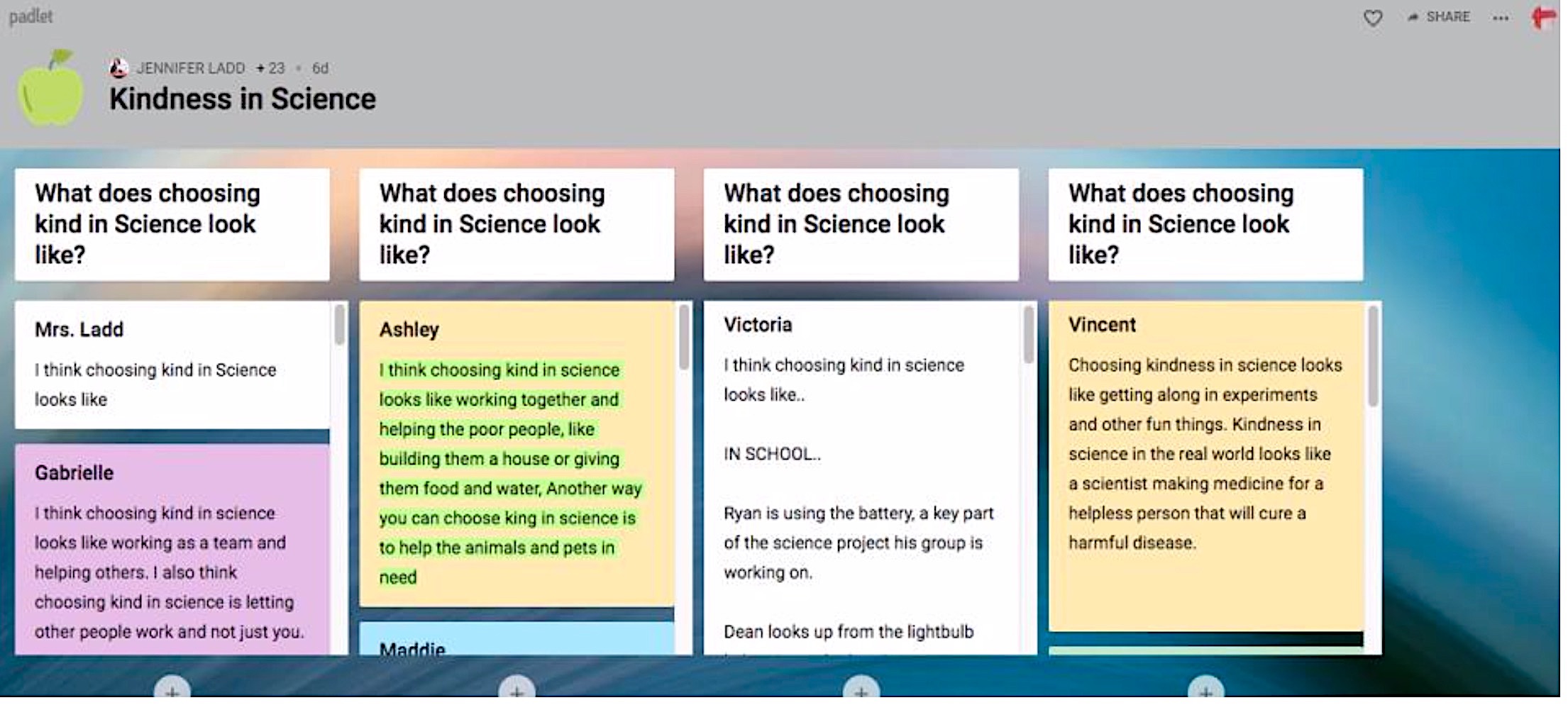
Click to enlarge

Ladd likes to use one of my favorite learning tools, Padlet, and asked her students to respond to some prompts. Their answers were both inspiring and thought provoking.

Students instantly identified attributes of the 4 C’s including collaboration and communication. For instance Ryan shared, “I think choosing kind in science looks like when someone has a question you don’t say ‘oh that question is not smart’ you try to work together and figure it out and include people.”

Students shared general and specific strategies for choosing kind in science classrooms from the ideas of teamwork and friendship to how to ensure all learners have access to tools for success.

Ashlyn wrote, “I think choosing kind in science looks like teamwork and friendship. Science always should look like what teamwork is. Teamwork and friendship is like people passing around the batteries and wires. Teamwork accomplishes big things.”
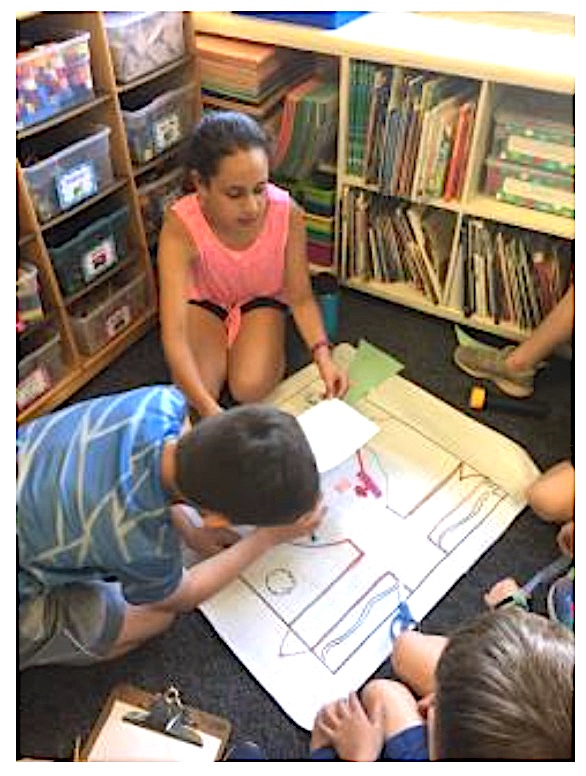
Inspired by these fourth grade learners, I began observing students in the classroom to see what they were talking about to their first reading buddies. The fourth grade and the first grade had partnered together to create a shade structure in the outdoor classroom.

In one observation I heard a student choose kind when she said to her group, “I will do the math, all the adding, and you work on the structure. Tim, will you please help Joe with the tape on the structure.”

After hearing from my PLN nationwide and visiting classrooms, I decided to reach out to friends to see how they foster kindness in their science classrooms.

Fellow squadster and teacher laureate Meg Richards shared how “choosing kind in my science classroom has students being open to new experiences and new ways of thought.”
“We spend time talking about how science is a place to wonder, where right answers can always get better if we are open to them,” Meg says.

“After all, in the wise words of Miss Frizzle (of Magic School Bus fame), ‘If you keep an open mind you never know who might walk in.’”

Moving with kindness to equity

#Choosingkind is a great start in acknowledging the small steps we can each take towards creating a more equitable and just world. But it is just the first step. How do we move beyond kindness to include equity where all learners have access to the tools they need to find success?

What are some tools we can implement right now that will help us create kind, safe, and equitable communities in science and across the school building?
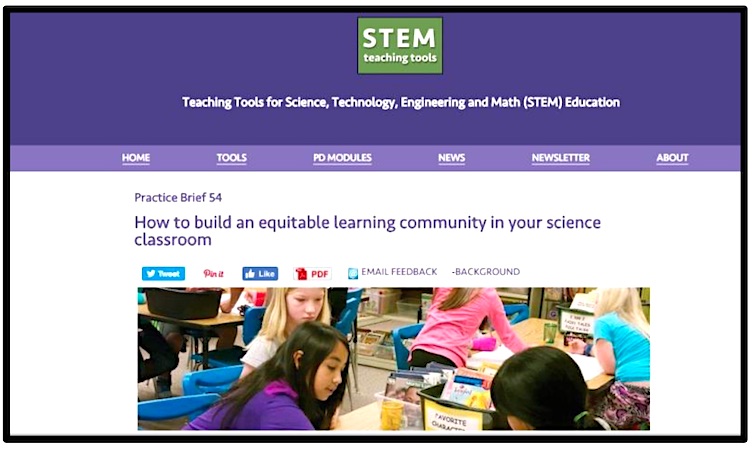
One tool that may launch these conversations is called STEM Teaching Tool #54 from the Institute of Science + Math Education. This tool helps us better understand exactly what an equitable classroom is and provides some ideas of how to move forward.

For instance, resources such as the Story of a Name teach respect for each person’s choice of name which helps learners and educators honor their colleagues and students, resulting in greater respect and collaboration. Other options include The Shoe Game – Equity versus Equality (exploring the value of differentiation) and Pictures of Our Lives (sharing stories of our diverse experiences).

Students may also opt to use a Science Journal Quest to foster effective classroom talk together. Intentionally engaging with resources like the STEM Teaching Tool and others are small steps toward a much larger goal of equity and mindfulness in the classroom.

If we have the goal of building equitable learning communities, we are making a step in the right direction. In this way we are modeling for our students, our colleagues, and our community what it means to be kind and just, and maybe, just maybe, #choosingkindness will become a part of who we all are.
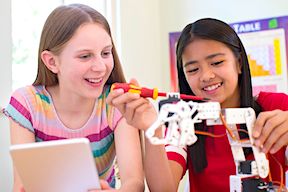
Edutopia has an article by Sarah Kesty about the use of the engineering design process to foster collaboration and kindness, called Social And Emotional Learning in Science Class. I found I was using this article to stimulate my thinking around this topic.

I also connected with a story from EdWeek which talked about some work a middle school was doing to really think about the whole child and find opportunities to integrate Social and Emotional Learning into what they were already teaching rather than have another siloed subject to teach. See: How One District Is Spreading Social-Emotional Learning Across All Its Schools.

Keeping SEL out front in science class

During this school year, I’m going to be thinking a lot about how we can keep social and emotional learning out front – something that’s always important for us to be thinking about. How can we make our children feel safe and yet very excited about learning? I think we need to remember that our children live in a world that can sometimes be very scary.

After writing and reflecting on this article, I see that the implementation and implications of the student-centered New Generation Science Standards offer us many avenues to help our students feel safe and enjoy learning again. I think the title of my next blog will be something like “How Phenomenon-Driven Instruction Can Make Our Classrooms More Equitable Places for Learning.” I believe by focusing on questions like this, we’ll find even more ways to incorporate social and emotional learning into our science classrooms.


**Interested in writing a guest blog for my site? Would love to share your ideas! Submit your post here.


Looking for a new book to read? Many stories from educators, two student chapters, and a student-designed cover for In Other Words.

Find these available at bit.ly/Pothbooks  


3  books.png

THOSE KIDS: A Connection Makes A Difference, but Does it Make THE Difference?

Guest post by 

Opinions expressed are those of the author.

I recently followed a chat that started from the claim that all a student needs to be is liked. That all they need is a connection or relationship or positive interaction with an adult. Initially I thought of course I agree, but after some time of that idea rattling around in my head I changed my mind. I don’t think I agree. I would still agree that connections can and do make a huge difference. I just don’t think they make THE difference.

20190517_123745702418090265244780.jpgI work in alternative education. I work with really challenging kids. THOSE KIDS. The ones who didn’t make it in other schools. The ones who know incarceration and the system. The ones who know trauma and abuse and pain and abandonment. The ones who know failure. These kids don’t like me when they enter my classroom. They don’t like anyone. They don’t care if I like them. They are quite used to no one liking them. They don’t care about grades and learning and futures. They don’t plan. They don’t have goals. They don’t dream. They don’t have hope.

So I have to connect with them and I have to do it fast. I have found that I relate to these kids. I get them. Maybe it’s my own quirkiness or off-beat sense of humor or stubborn streak or willingness to do about anything to make that connection – smile, laugh, sing, dance, tell jokes, laugh at bad jokes, pat backs, give hugs, and just never stop trying. They push me away, but I come back. Again. And again. And again. Until finally they push back a little less, and if I’m lucky, they stop pushing back at all. That is connection and it is the absolute first step. No question. It will be the foundation for everything that comes next.

Next. That is the thing that I think has gotten lost. It’s not the connection that’s the most important thing. It’s the next. Jump into any education chat or conversation and you will hear the word connection and relationships, but it’s becoming this idea that if I make a connection with my student then that is all they need. If I care enough or like them enough or love them enough or if we talk enough or have enough in common then that will make a difference to my students. And it will. It will make A difference, but I don’t think it’s enough to make THE difference.

We need the next. They need the next. Think about the process of building a house. When carpenters build a house they build the foundation first. It is what supports everything. But once they have a foundation, they keep going. They build the walls and 20191218_180417-16324819778329009069.jpgthe roof and they put in duct work and plumbing and electrical. It’s finished off with paint and flooring and appliances and décor. There are so many steps that come after the foundation. There are so many steps to building a completed house. If they stopped after the foundation, then they don’t have a house. They just have a piece of concrete.

We, as educators, we need to build the house for our students. Let’s build a foundation. Let’s work hard and quickly to make connections and build relationships, but then let’s not stop there. Let’s do something with that foundation. Let’s give them walls and a roof – a framework to support them. We can teach social skills and coping skills. How to enter a classroom and take turns and ask for help. How to approach tasks independently and with their peers. How to adjust to different procedures and expectations. How to make mistakes. How to celebrate successes. How to work through problems. How to find an answer. How to ask for help. How to be a successful student but also a successful member of society. Let’s give them all the systems inside that house – let’s bring that house to life. We can teach them academics. We can fill in the gaps while giving opportunities for new growth. It may look different than how other students learn and they may need to express what they know differently, but they will learn. They will learn mistakes aren’t failures. They will learn to try again. They will experience success. Knowledge is a powerful thing. So is confidence. Let’s decorate their house. Personalize it. Make it belong to each individual student. Let them be creative. Think outside the box. Celebrate individuality. Find their own unique strengths and weaknesses. Let’s make that house their own.

20191218_1806315978855054264078087.jpgLet’s do something with the connections we work so hard to make. Let’s use those foundations we’ve built. Let’s push our students out of their comfort zone. Let’s move past easy and complacent and good enough. Let’s set high expectations. Let’s push them to struggle and even fail. But then let’s teach them to persevere and to adapt and to overcome. It will be hard for them and us. We will all get tired and experience frustrations, but it’s what they need. And they will be okay because we will there. We will support them and guide them and believe in them and teach them. We use that connection that we created in the beginning to be our foundation to support everything we do next.


**Interested in writing a guest blog for my site? Would love to share your ideas! Submit your post here.


Looking for a new book to read? Many stories from educators, two student chapters, and a student-designed cover for In Other Words.

Find these available at bit.ly/Pothbooks  
 

3  books.png

A Powerful Learning Community and So Much More!

A Powerful Learning Community and So Much More!

By Rachelle Dene Poth @Rdene915

Being an educator requires a lot. It requires a huge investment in time to make sure that we are providing everything that our students need and that we are making time for ourselves to grow professionally. Finding a way to balance the numerous responsibilities can be difficult sometimes and trying to do so can result in a lack of balance and a loss in time for personal and professional development. So what can educators do? Do we have to choose only one thing? How can we when it is all important to our students’ growth as well as our own?

We don’t have to choose. We have access to the support we need and more importantly, that our students need, through the ability to connect in the Buncee community. For several years I have been proud to be a part of this growing educator community and have learned so much from the connections that I have made and from the relationships that have formed with the Buncee team and Buncee Ambassadors. I am so proud to be a part of this Buncee family.

img_20190129_140615

Finding what we need

People often ask how to find resources and new ideas for their classes, how to become more connected, and where to find a supportive network of educators. Over the years I have been fortunate to become connected with a lot of different educators in various communities ranging from state and national educational organizations, to ambassador programs and a growing PLN from leveraging social media networks that enable me to learn and gather new ideas that will benefit my students and my practice.

There are a lot of communities out there to choose from, but one in particular has continued to make an impact in my life and for my students over the years, and in the lives of many students, educators and people from around the world. And that is Buncee.

Where to Begin

Whether you’re on Twitter or not, I would recommend checking out what educators have been sharing when it comes to Buncee. During the week there are many Twitter chats happening and discussion in online forums such as Facebook.

These are a few of the most common topics that educators have been exploring:

  • Finding resources and authentic ideas for assessment
  • Providing different types of learning experiences that are more student-driven and full of choices like project-based learning.
  • Building social emotional learning (SEL) or digital citizenship skills
  • Promoting global and cultural awareness
  • Engaging students in more authentic and meaningful work.
  • Differentiated instruction and how we can make sure that we are providing what each student needs in our classrooms.

For many years I kept myself kind of isolated and relied on my own experiences as a student and used only the materials that I had in my own classroom. Truthfully, I didn’t really know where to look to find support or other resources and didn’t feel like I had the time to do so. But today, all of that is so greatly changed, and it just takes looking outward to see what is happening in classrooms around the world. Finding the right connection and taking that first step.

Finding New ideas

Just in the last few weeks, I have learned how teachers are using Buncee for more than just creating a presentation. Educators are leveraging technology to help students to build confidence, facilitate global connections, foster social-emotional learning skills, and even for helping students to overcoming anxiety when it comes to doing presentations in class.

Recently a friend asked me if I had ideas for a different way to teach mythology. I posted my question in the Buncee community and it didn’t take long for someone to share a few project ideas and for many educators to offer more support.

There are so many unique ways to use Buncee and beyond just being a versatile tool for students and educators and anybody to use to create. Buncee has really brought people together in a welcoming community. A community that is focused on supporting one another so it can support all students.

If you are looking for a new idea, a different way to present information to your students, to have students create, to be engaged in learning, then I definitely recommend you check out Buncee.

If you are looking to become part of a supportive educator network, then I encourage you to become part of the Buncee Community. Engage in the conversations that happen each day, join in the monthly Twitter chats, take advantage of all the resources that they are so willing to give and to share. Explore some of the recent Twitter conversation and tremendous support in this community here.

Here are some of the most recent ideas shared that are definitely worth checking out:

Holiday Hugs Marie Arturi and Amy Storer Read about it here.

Tutorial Shared with Anyone Looking to Get Started: Dan Spada

Link to Video

Culturally Responsive Teaching: Submitted by Bonnie Foster to Buncee, this amazing board designed by Mary Gaynor & Colleen Corrigan.

Daily Reflective Thoughts by Don Sturm

Book recommendations: Rachelle Dene Poth

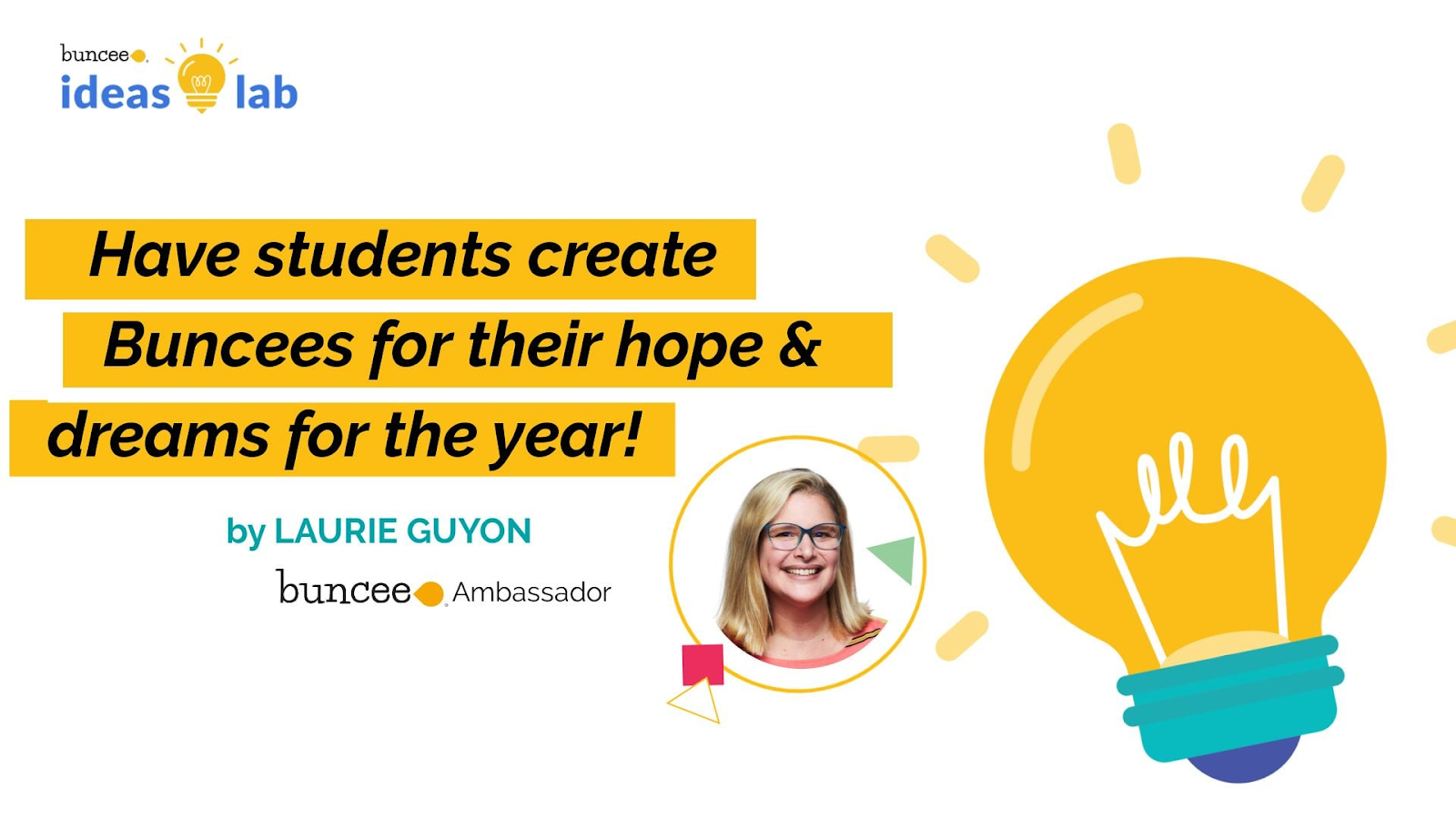
Hopes and Dreams: Laurie Guyon

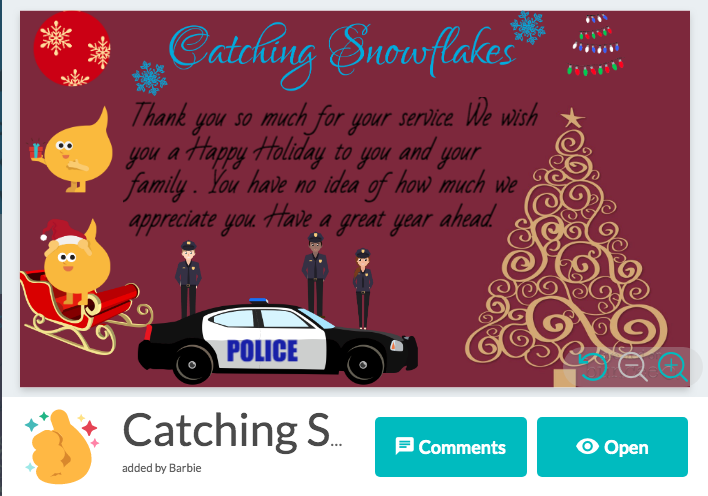
Law Enforcement Appreciation Day: Barbie Monty

Welcome Back messages: Laura Steinbrink

Student Reminders: Barbie Monty

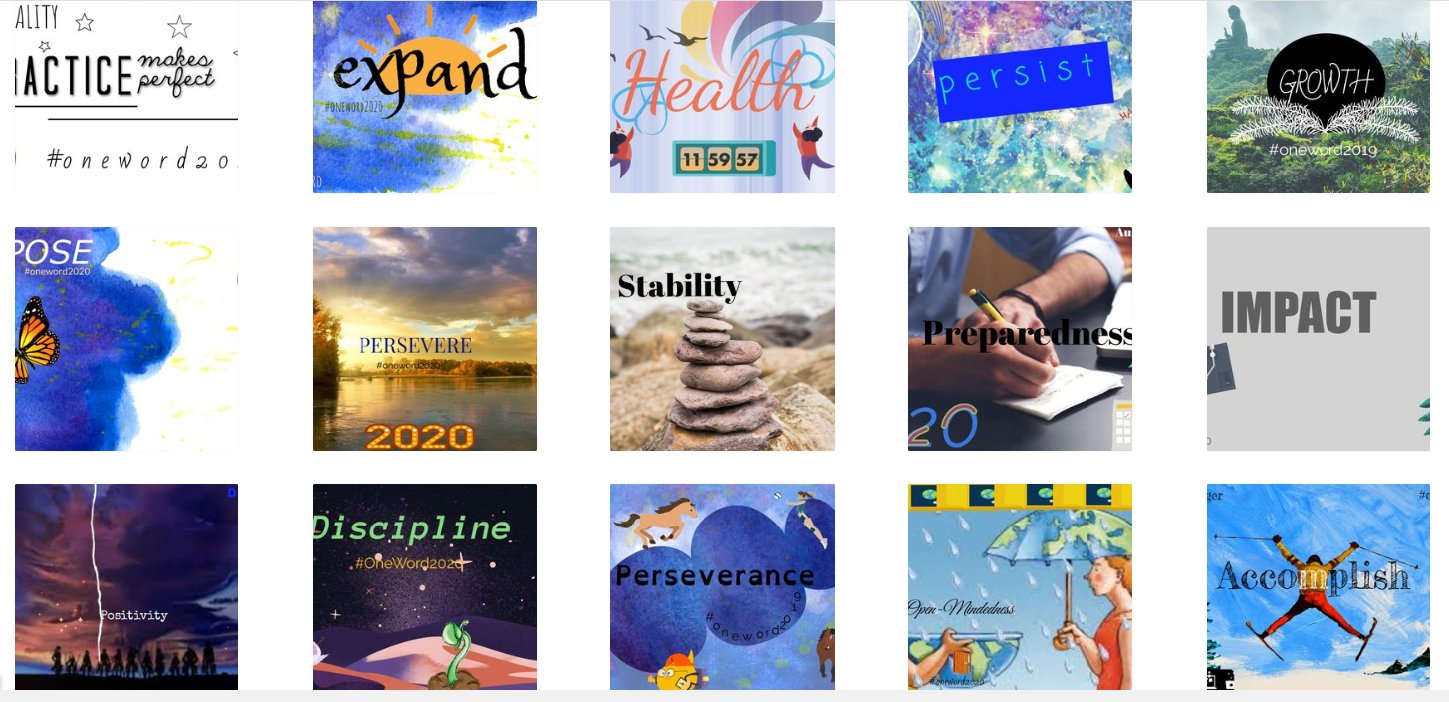
Student Focus for the year: Heather Preston

Barbie Monty

Student Business Cards and Goals: Loni Stein

Task Cards: Amy Nichols

Teacher PD: Barbie Monty

Student Projects: Todd Flory

Test Prep and Motivation: Amy Nichols

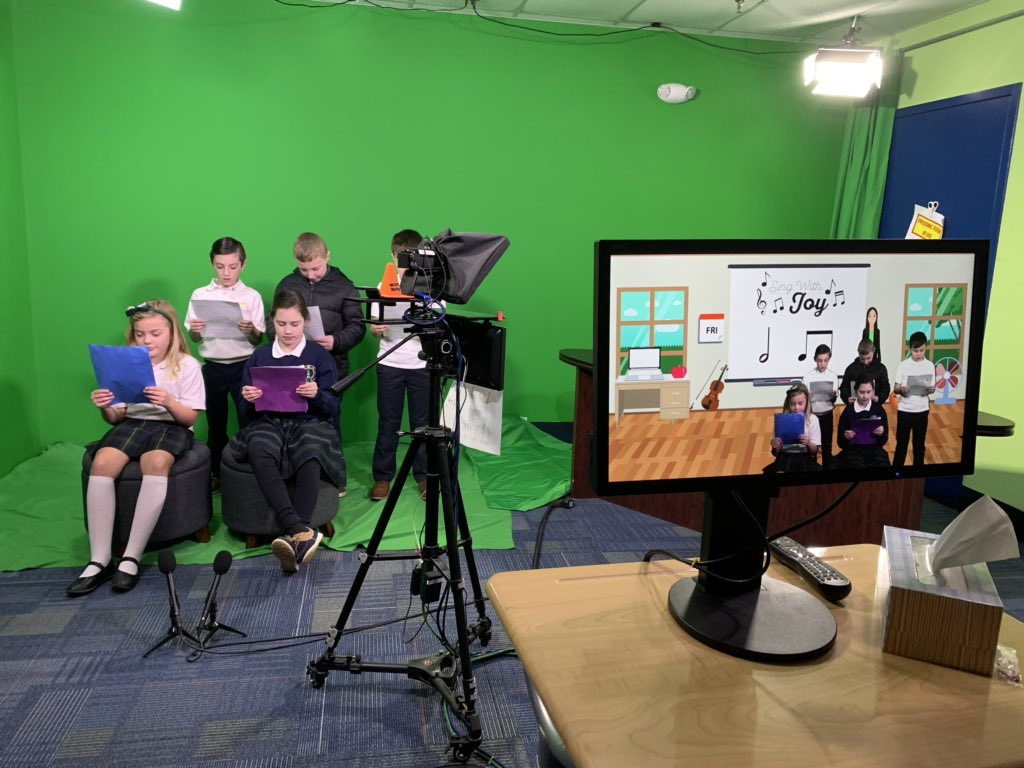
Video and Buncee with Greenscreen: Jennifer Conti

On Vulnerability

Guest Post By Dustin Pearson, @DustinPearson2

We Are One Team Blog

Opinions expressed are those of the guest blogger


Dear We Are One Team Family

A new year always brings a time of optimism, goal setting, and resolutions. Like millions of others I am no different, I am a goal setter. Not only am I a goal setter, I am a big one. I enjoy setting goals and putting together a plan to accomplish them. However big or small, they are fun and give me something to work for. One of the constant themes I have noticed is people making a goal to be more vulnerable.

Vulnerable is defined in the dictionary as, “susceptible to physical or emotional attack or harm.” There are other definitions, but this definition definitely does not align with this piece. Vulnerability for this piece is putting yourself out there and sharing personal information as a way to connect and grow. With 2020 less than 18 hours away this is a great time to share, connect, and grow as a person.

People that know me know I am a private person, and writing this piece is rather difficult.Those that know me know that kindness, love, compassion, and humility are greatly apart of my life. I share it as with as many people as I come across. It is a foundation of my classroom, and I have been rather successful with it. What very few people know about me is that. I have suffered from depression, at times deep, and severe anxiety for several years. It has taken me a while to accept and find coping practices that work, but I have found those and have accepted that it is perfectly ok to have depression and anxiety. Unfortunately millions of citizens including educators fight these battles. At times the most basic things seem insurmountable and having conversations with others feels like getting your teeth pulled.

I don’t know where my depression and anxiety came from. It could be a combination of losing a close family member to suicide last winter break, constant self doubt, shame of who I am, negative mindset, comparing myself to others, being a natural introspective person. The last one I believe is a major factor. I am a thinker and it is easy to get lost in your thoughts which can be a good and bad thing. It took until having a severe panic attack which I thought I was not capable of a 5 years ago to realize I needed help, and had to make some lifestyle changes.

Those that ask how I teach with depression and anxiety, well it is one of the easiest things I tackle. Understanding that our students battle these same things everyday. I have a deep compassion for what they go through and we are a team that grows and learns together. I also become self aware of what I go through, learn about depression and anxiety,  and adopt different changes things that work for me. For example, I stay busy, I go for walks in the building during my prep, I check on my colleagues, and say hello to every student I come across, and I love going to school. I love being with my students, teaching, growing, and achieving together.

Outside of school I see a therapist regularly to organize my thoughts, I take medication, I am an avid weightlifter. I am pretty darn strong. I also read and write, and look for ways to continue to grow. I have grown to love challenges and change. What used to literally make me shake and bring tears to my eyes is now one of my favorites, and is a great learning experience. The biggest impact on myself was the adoption of a mindfulness lifestyle. I meditate everyday, practice yoga 3-5 times per week. I am quite talented with my balance poses, and I am a firm believer in what citizens such as the Dalia Lama share with others.

One of the biggest challenges  was my shift in mindset, this change did not happen overnight. I was never a pessimistic person, but I needed to make changes for the benefit of my health. I have always wanted to help, guide, and love others. In years past anxiety crept up and made this area more difficult to achieve. I worried what others thought which held me back. Now, I couldn’t care less what others think about about me and what I believe in. I absolutely love helping others, spreading kindness, compassion, and love. These qualities are who I am as a person and who I want to surround myself with. I know the people who want to be a part of my life with gravitate in my direction.

Lastly, I have become a strong advocate for mental health, the stigma must stop. I suffer from mental health issues, and I am perfectly ok with it. I am in a great spot and have never felt better. Will it always be this way, no!  Does that worry me, absolutely! I will take on that challenge, grow, and we will do this together. I am far from a finished product, I will have to battle this for the rest of my life, I can do this, and so can you.

If we are entrusted with taking care of our students we must take care of ourselves and each other. How can our students learn and grow as individuals if they don’t have a person to guide them through challenges they face. Our students need us and we all need each other.When someone wants to talk, listen, and listen with intention. Check in with your students, colleagues, and most importantly yourself. Everyone who reads this and shares it with others has so much value to this world. I am grateful for each and everyone of you.

It’s okay not to be okay, and we are here for you. Mental health is just as important as physical health and our community of compassion, love, understanding, and growth will only help remove the stigma, and accept each other for the faults and challenges we face. My attempt at vulnerability was this piece, and I am proud to share it with you.

WE ARE ONE TEAM

-Dustin


My first book: Why I wrote In Other Words

All books available at  bit.ly/Pothbooks

It has  been quite a year. Three books  published this year, looking back to one year ago as I was writing all three, very different books at the same time. But  the book In Other Words came to me as I was preparing to work  on The Future is Now.  It stemmed from a quote:

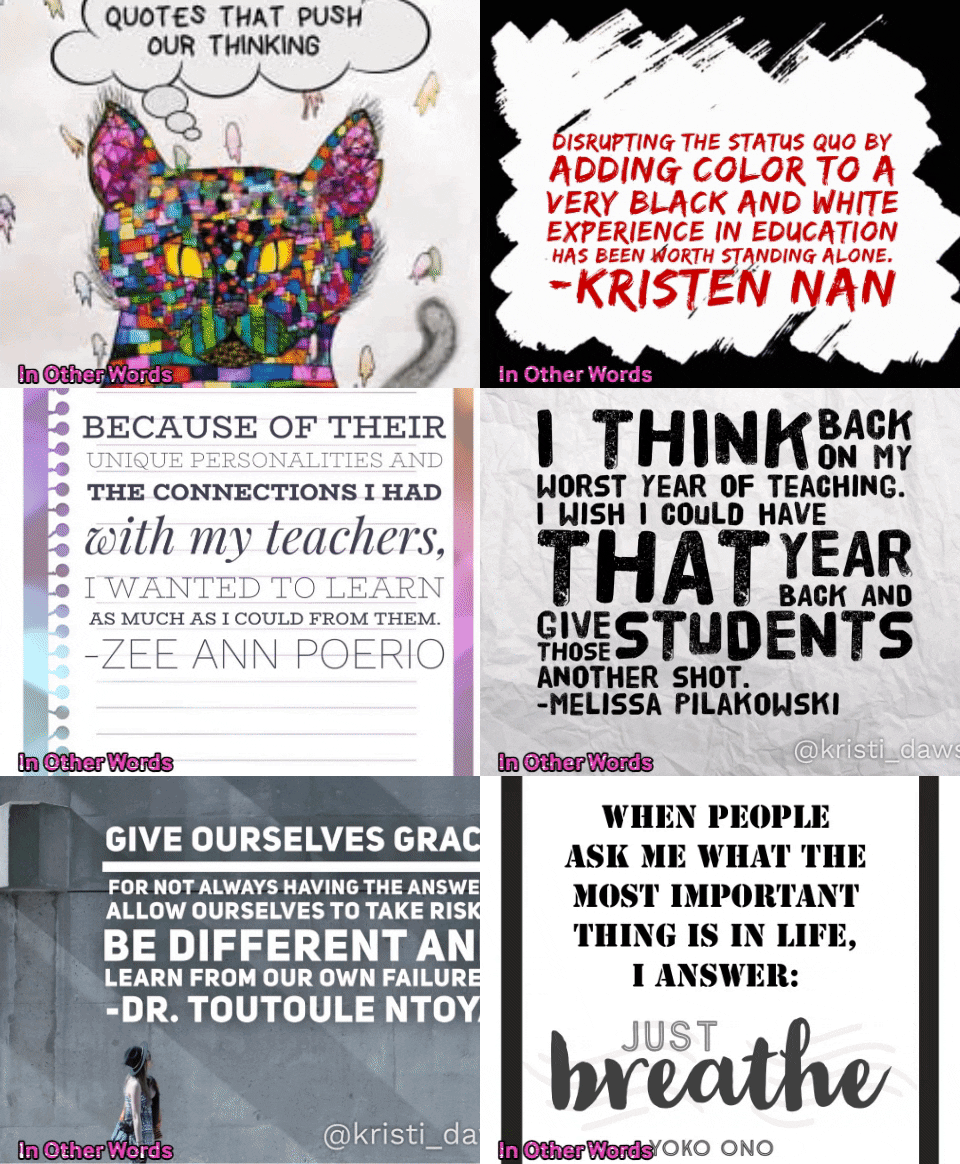
Teddy Roosevelt once said, “I am a part of everything I have read.” When I read his quote, it greatly resonated with me because of my love of quotes and the impact they can have in our lives. In Other Words is a book full of inspirational and thought-provoking quotes that have pushed my thinking, inspired me and given me strength when I needed it. The book shares stories around the importance of growing ourselves as educators, knowing our why, as well as learning from and embracing failures and taking risks with learning so we can become our best selves for those we lead and learn with.

Get your signed copy here: bit.ly/Inotherwordsbook

1553983585916_0601087574_47b12722

There are stories shared by educators with different backgrounds and different perspectives. My own experiences and interpretations and the educator vignettes shared by my PLN (Personal or Professional Learning Network) will hopefully push your thinking, inspire you, and provide whatever it is that you need. My hope is that by sharing our stories, it will inspire you to share yours.


There were many people involved throughout this journey. I reached out to members of my PLN and friends to include as many educators and students as possible. I  wanted to share more than just my story, but rather many stories and experiences.   This book is one that can be read by anyone, not just people in education. There are many quotes, unique personal experiences, beautiful graphics and more.

About the book #Quotes4EDU

In this book, I share some of my experiences and reflections based on quotes. I have included the stories of different educators in the form of vignettes or guest chapters. One chapter was written by two of my students and my book cover was drawn by one of my 9th-grade students. The story behind the book cover is included at the beginning of the book.  The book is available on Kindle or in paperback: bit.ly/Inotherwords  A few of the stories are available for listening on Synth. gosynth.com/p/s/pyzbnm  

Chapter Authors
Dennis Griffin
Maureen Hayes
Holly King
Elizabeth Merce
Melissa Pilakowski
Laura Steinbrink
Amy Storer
Donald Sturm
Cassy DeBacco
Celaine Hornsby
Vignettes
Marialice B.F.X. Curran
Jon Craig

Kristi  Daws

Sarah Fromhold
Jeff Kubiak
Matthew Larson
Jennifer Ledford
Kristen Nan
Toutoule Ntoya
Paul O’Neill
Zee Ann Poerio
Rodney Turner
Heather Young
Graphics 
Michael Mordechai Cohen
Dene Gainey
Manuel Herrera
Shelby  Krevokuch
Amber McCormick
Dana Ladenburger
Heather Lippert
Scott Nunes
Chris Spalton
Tisha Richmond
Monica Spillman
Laura Steinbrink
Kitty Tripp
Julie Woodard
Animated GIF-downsized_large (5)

Thank you Kristi Daws for creating these images!!


This slideshow requires JavaScript.

Why Connections Matter

Guest Post by Sean Scanlon, @polonerd

Republished from his blog site, a great message about why we need to connect, and how to do so at conferences. 


On Tuesday night I returned from Summer Spark in Milwaukee. My head was still spinning and full from all of the great presentations and new ideas I heard, my heart was still racing from Joe Sanfelippo’s keynote, but most of all my heart was full from all of the love shared between friends at an Edtech conference.

This was the 4th year I’ve been to Spark (sorry to say I missed year 1) and every year my PLN grows but in different ways than just connecting with someone on Twitter or Facebook groups. At a mid-sized conference like Summer Spark you make awesome personal connections with people who have been in your PLN for months (maybe even years). You get to have dinner with people you haven’t seen in a year or more, or maybe people you’ve never even met before.

game night

It’s pretty clear when we go to dinner for game night on the first evening of the conference, and we turn 10 tables into one giant table so we can all sit together (until the table literally can’t grow anymore), this group is close and wants to learn more about what we’re doing in our classrooms, our schools, and even more about our future plans.

As far as game night goes, Jon Spike walks in with his bag of games, along with others who bring their favorite board games and let the fun begin. The fun and connections at this point are amazing and there are even some grudge matches from two years ago when it comes to CodeNames. Right Kristin?

Screen Shot 2019-06-20 at 11.27.05 AM

The conference is wonderful because Pam NosbuschChuck TaftMichael Matera, and so many others put their heart and soul into making it great. However, the true “Spark” we get in June is an uplifting of spirits and excitement from connecting with other inspiring educators, learning from them, and most importantly sharing with them what we do, what we want to do, and how they can help us get there.

All of this fun and all of these close relationships really go back to where it all started for many of us – Twitter. When we connect on Twitter, or any Social Media platform, we share what’s we’ve accomplished, we look to others for advice or ideas, and we ‘talk’ with each other about different topics in chats.

Who to Follow –When you find that first person you want to follow, click on their name and then click on where it says “Following”. Look at who those people follow because that is a choice they made to follow those people. You can glance at their profile and even see who those people follow – welcome to the most awesome rabbit hole.

Twitter Chats – If you haven’t done any Twitter chats, I’ve listed a few below but feel free to try ones that more closely tie into your content area or grade level. The chats are usually 30 or 60 minutes long and you’ll be connecting with educators from all over the country and possibly people from other parts of the world. Make sure you don’t pull a @GameBoyDrew and forget the #. If you don’t use the #, nobody else in the chat will know you’re saying anything.

122edchatgroup

Use Tweetdeck – Tweetdeck allows you to created columns based on a # or a particular user – plus other choices.  This makes it easier to track what people are talking about in that chat. You also have a notifications column so it makes it easier to see who ‘liked’ your post, replied to your post, or even just mentions you in possibly a different chat.

Simply put, get on Twitter and follow other educators. It’s polite and good practice to follow the people who follow you; except for the bots and the inappropriate accounts – check who they are and what they’ve posted before you follow someone. Check your feed occasionally and search some hashtags (#) to see what people are talking about.

Most of all, have fun connecting with other educators and don’t forget to introduce yourself when you meet them in person at awesome conferences like Summer Spark @usmspark #usmspark


Sign up for  Summer Spark, happening in June 2020!


What is YOUR Walk-Up Song?

Buncee Holiday Hugs


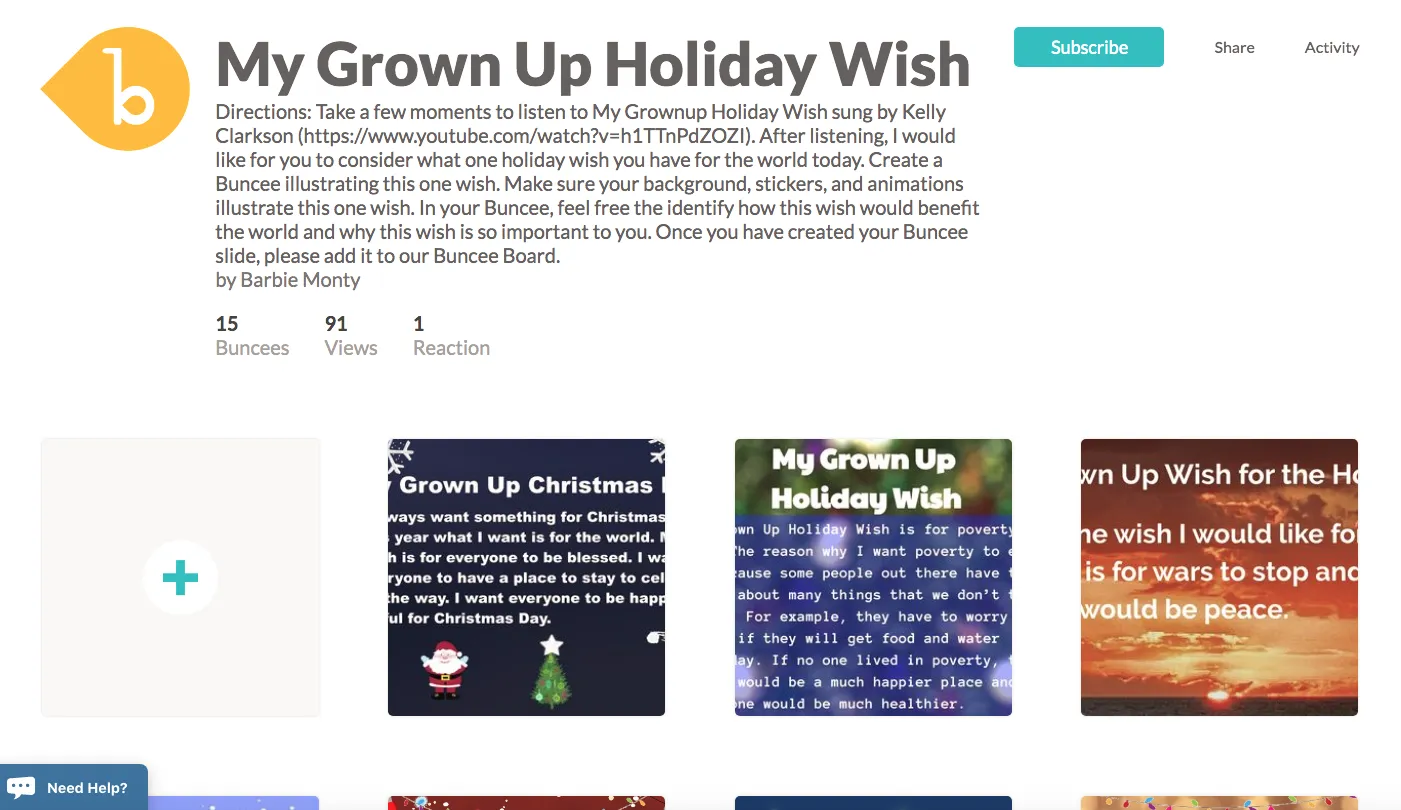
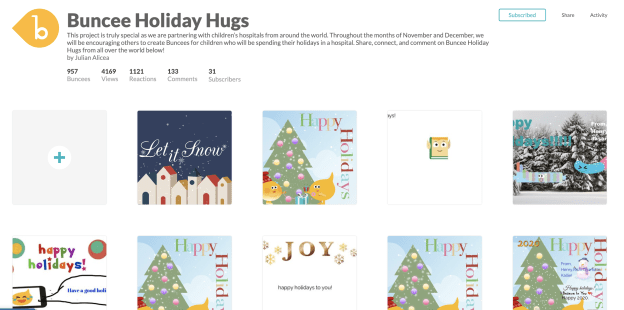
Have you heard about the Buncee Holiday Hugs? This is an absolutely amazing project that has taken place during the months of November and December. Through this project, students from around the world have created Buncees and shared their work on a Buncee Board for everyone to see. There are now 957 Buncees added to this Board!

So what are these Buncees being used for?


Buncee is partnering with children’s hospitals from around the world to share the Buncees that have been created for Holiday Hugs. These amazing Buncees will be shared with children who will be spending their time in the hospital during the holidays.

The Holiday Hugs project was started by Amy Storer with inspiration from Michael Drezek. The idea evolved from Amy’s own experience as she was spending time with her mother in the hospital over the holidays. The idea for Buncee Holiday Hugs then came to life through the connections with Amy and Marie Arturi, Creator of Buncee. Holiday Hugs is another wonderful project that follows past projects such as the Buncee Buddies (a penpal project that connects students globally to collaborate on different themes) and Miles of Smiles with Michael Drezek.

To learn more, watch this interview with Amy Storer and Brian Romero Smith in which they discuss this amazing Holiday Hugs project and their hopes for it during this holiday season.

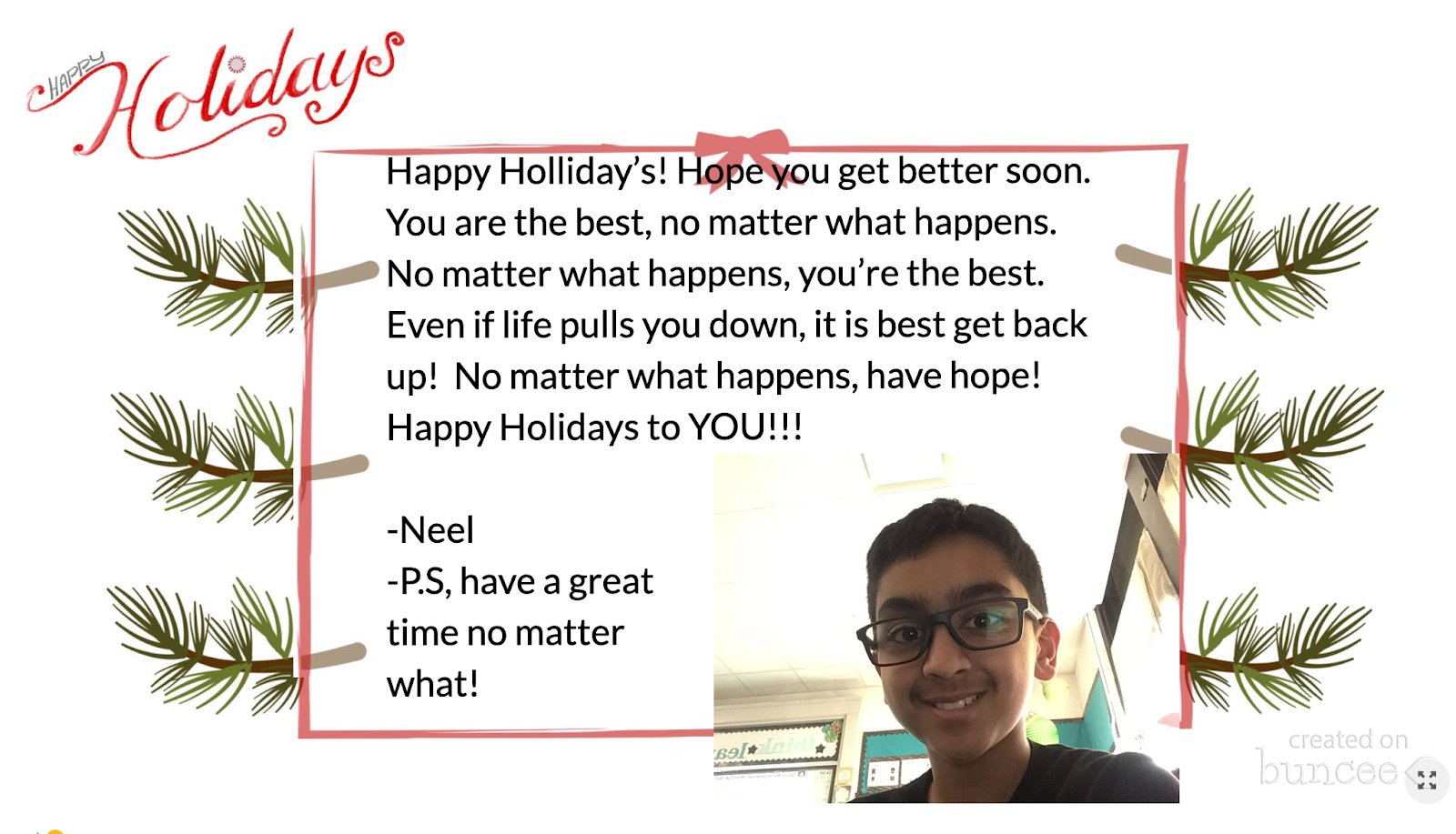
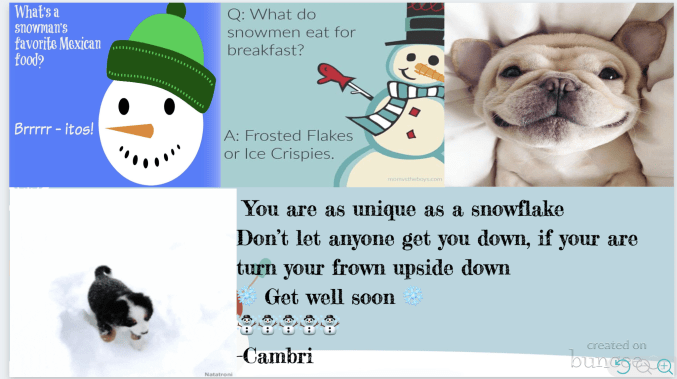
Here are a few of the wonderful messages shared with the children. What I love the most is that the messages written on each of these Buncees can be enjoyed by everyone through the use of Immersive Reader. A fifth grade class created this Buncee story for their Holiday Hug and with Immersive Reader, not only can the language be translated, but the story can then be read to the children as well. Beyond simply sharing a wish for the holidays, students can tell stories, send messages, tell jokes, express themselves and it is accessible and can be enjoyed by everyone.

Each Buncee is uniquely different, adding in winter themes, specific holiday traditions and celebrations, animations and even video messages for the children.

Seeing each student share a story, a joke, offer encouragement, record videos, or share their picture to lift others up, truly is inspiring.

Each Holiday Hug is heartfelt from student to student.

With Buncee’s integration with Immersive Reader, students can write a message and share it with any child around the world for them to enjoy. The use of Immersive Reader in Buncee enables students to create multimedia content, improve language skills and build global awareness in authentic and meaningful ways.

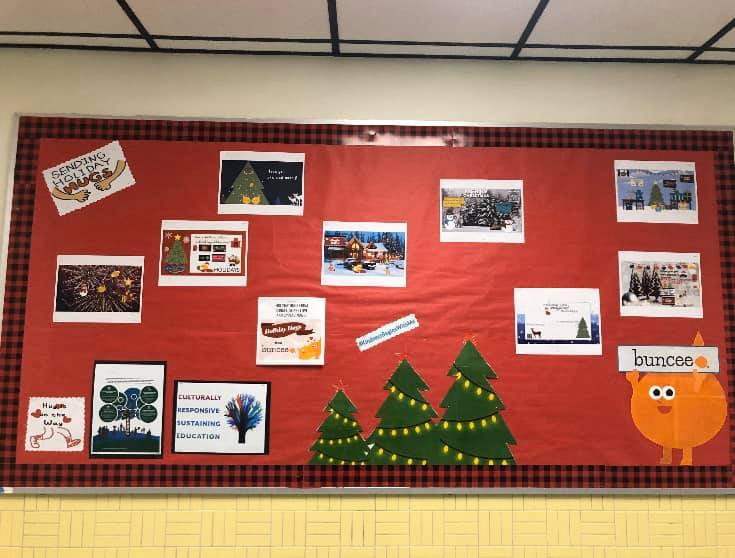
Please take time to explore the Buncee Holiday Hugs and read more about this project and its incredible impact on the lives of so many children and on everyone who has participated.

Look at the different creations! I hope you will take some time to explore the Buncee Holiday Hugs and read more about this wonderful project and its incredible impact on the lives of so many children and on everyone who has participated.


Challenges, Connections, and Learning every day!

Recently I had a colleague ask me for some ideas for dealing with challenges when it comes to classroom management, student behaviors and just keeping up with the responsibilities of teaching in general. I’m always happy to have time to talk with other educators, there is so much to learn by connecting. I think sometimes there is an assumption that because someone may have been teaching for 10 or more years, or worked in the same school district for a long period of time, that’s there is a higher level of knowledge and skill held by a teacher that fits into this description. While of course the more that you teach, it might seem like you would have a lot of ideas and answers to share with younger or new to the school teachers, but the longer you have taught also means, I think, that you have that much more to learn.

Having taught for about the last 25 years, I’ve had a lot of different experiences, some good, some bad, some in-between and some just absolutely fantastic. I have been in the position where I needed to improve, and felt like no matter what I tried to do or could try to do, that I just would not succeed. That I would lose my job. I’ve also been at the opposite end where I felt like things were going well, I could feel more success and a change in how I had been teaching in the classroom and in my connections and relationships that I had built with the students and colleagues.


I think if you ask any educator, most can probably identify the best year they’ve had, and if they can’t, they just can’t yet. We always have room to grow and things take time. How do educators decide what makes it the best year? For some, is it a year without many challenges, the students are well-behaved, homework is complete, other clerical tasks and responsibilities held by the teacher are finished, observations went very well and teacher ratings are satisfactory or proficient or whatever the ranking may be? Maybe. But how do we truly define what would be the best year ever?

It takes time to build

I am fairly certain that last year was the best year I’ve had yet. I think because I changed a lot of things in my classroom, I stopped worrying so much about having every minute of every class accounted for and instead gave the students more possibilities to lead in the classroom and for me to have more opportunities to interact with them. Now it did not come without its challenges, some student behaviors that in some cases pushed me so far beyond frustration that I thought I reached my breaking point. I reacted in ways that I was not proud of, but I let the frustration get the best of me. I stopped seeing the student and only saw the behaviors. My “lens” had become clouded and it took some reflection and just not feeling very good about it for me to realize that I had to do something different.


The common feeling or response is when you feel like there is a lot to handle or come up with a plan for, can feel so isolating. you might feel lost or like others are judging you based on what you perceive to be your weak areas when it comes to instruction. And I’ve had a few people confide in me that they feel like they’re too different or too weird or they’re not normal enough to be teachers. Hearing those kinds of things breaks my heart because I don’t want to see teachers become disengaged or to lose their passion for doing the work that teachers do because of worrying about how others may or may not perceive them.

My response is always it’s good to be different, what does normal look like anyway? Does normal mean everybody gets and does the same thing? Does being normal mean you fit into some kind of mold, one that may or may not be who you truly are? I think the best that we can do for our students is to show them who we are because we want to know who they are.

We can’t hide behind some perceived idea or model of what a teacher should or should not look like. Nor should we compare ourselves to our colleagues or other teachers that we may have had in our own experience. When we do this we lose sight of something and I think it’s important for us to demonstrate and model for students. We need to worry about ourselves first and only compete with who we are today by judging it based on who we become tomorrow. Everyone has weaknesses, everybody struggles, everybody feels like they don’t belong at times, a friend once wrote about being in the land of misfits, I’m totally fine with that.


What can we do, regardless of what year we are in during our careers? New teachers have a lot to offer us veteran teachers, there are better pre-service teacher programs and more information available to current students that are seeking to get into the profession, than what is available to us veteran teachers, who may not have access to or may not even know they exist. And for the new teachers, when you are assigned to have a mentor in your school, I really don’t think you should consider it to be that you are the learner and that you must follow and adhere to all of the advice of your mentor. You have to decide who you want to be, what is your purpose, your why, your spark, your passion for doing what you’re doing?

It starts with us and it always starts with us to take that first step. We have to be okay with who we are and commit to doing whatever is best for our own personal and professional growth but being mindful of what that means and how it will impact those we lead and learn with.

So if at any time you feel down or lost or frustrated or like you’re becoming disengaged or that you don’t fit in, please send me a message. I’d love to talk to you and share some of my own experiences on my 25-year learning journey.


**Interested in writing a guest blog for my site? Would love to share your ideas! Submit your post here.


Looking for a new book to read? Many stories from educators, two student chapters, and a student-designed cover for In Other Words.

Find these available at bit.ly/Pothbooks  

Book4.png

Connecting the Cool

Guest  Post by Kim Murphree, Educational Technology Trainer, Mansfield, Texas @murphree_kim

With the increase in accessible, affordable and abundant Augmented and Virtual Reality apps and programs, education can now provide these types of learning experiences for students. We see it with the popularity of the Merge Cube and Merge Goggles, and with free programs like Google Expeditions and Tour Creator. Teachers, and more importantly their students, have the opportunity to participate in these types of learning experiences with little monetary investment and not a super high level of technical knowledge.

And that’s what augmented and virtual reality provides in education- an experience. Learning through AR/VR raises a learning activity from a passive task to an immersive experience- connecting the user to the content in a way that has not been reasonably possible in the classroom before. Implementing Augmented or Virtual Reality raises your level of engagement through a multi-sensory experience. The experience itself is as close as you can get to having “special effects” in the classroom- and here is where teachers can take advantage of this magic. Teachers don’t have to work quite so hard for the “wow”. Countless PD sessions and books expound on how to “hook” students in or ways to increase engagement with the content- with AR/VR the cool is already there. Kids are already hooked and engaged. This leaves the content connection. Teachers can now concentrate on what they are the experts in- the content. However, It is important to connect the cool with the content in order to ensure that integrating AR/VR is meaningful and purposeful.
Below are some tips for “connecting the cool”:

  • Extend and Enhance your Curriculum– make sure your AR/VR integration doesn’t turn into a “movie day” situation. It should not be used as a filler but as a value-added addition.
  • Ensure Active Learning– Augmented and Virtual reality in the classroom has an inherent physicality to it, make sure you adapt your room and lesson to guarantee student interaction with the materials and with each other
  • Significance– As the content area expert, and with the built-in wow factor, use your lesson planning time to bring the content purpose to the forefront. The AR/VR experience should solidify the significance of the content you are covering.
  • Reflective Summary– AR/VR activities, while special, still require follow-up and feedback. Build opportunities for reflection in your lesson, just like you would for any good learning activity.

Augmented and Virtual Reality bring learning to a personal level and engages learning styles and modalities in such an easy way. This type of technology has far-reaching and limitless potential for use and has come so far that students and teachers are now able to move from simply being consumers of this type of technology to the creators. There are so many applications and programs that can bring your content to life- engagement and interaction are built into these applications. Students who are using a Merge Cube to look at the Solar System can immediately see its “cool”, therefore teachers can concentrate on the content and curriculum connection. Immersive technologies create genuine and unique learning opportunities that meet the needs of diverse learners of today.


**Interested in writing a guest blog for my site? Would love to share your ideas! Submit your post here.


Looking for a new book to read? Many stories from educators, two student chapters, and a student-designed cover for In Other Words.

Find these available at bit.ly/Pothbooks  


Books available