


In collaboration with @x2VOL
Preparation for college, university, and future careers starts early. High school students start thinking about what careers they might want to pursue in the future as early as their freshman year.
School courses can help students identify areas of interest or uncover specific talents. Other students find working part-time jobs gives them an idea of what they’re good at and extracurriculars or school clubs also allow students the opportunity to explore their passions. Additionally, students find that volunteering exposes them to careers or areas of work they might not have otherwise considered.
Over the years, districts have continued to see the importance and impact of civic engagement on students. Community-engaged students have improved student outcomes for many reasons: students develop important skills through volunteering, have leadership opportunities, experience a sense of belonging, and grow socially and emotionally as they serve others. Students also learn vital skills that allow them to find success in their lives after high school.
Educators work hard to ensure students receive a proper academic education but also are pivotal in spurring students on as they grow individually. As your students are exploring potential career paths and determining what they want to pursue after high school, encourage them to volunteer. As students are thinking about where to volunteer or complete their service hours, encourage students to reflect on what their areas of interest are. This is so personal to each student but it allows them to identify potential areas of focus or interests that could lead to a career path. From there, work with the student to identify opportunities or encourage the student to research needs in the community that would give them some real hands-on experience. Volunteering allows students to help others, see the impact of their work, and explore career interests.
Here are volunteer opportunities and service ideas for students to explore various career paths:
- Social Services Agencies: Offering time at agencies supporting the homeless, elderly, or individuals with disabilities, allows students to explore careers in social work, counseling, or healthcare.
- Political Campaigns: Students can assist in local political campaigns to learn more about the process. This is helpful for students interested in politics or public policy.
- Art and Music Programs: Students interested in fine arts, art history, or music can volunteer at local art galleries or community music programs to gain insight into the arts and culture sector.
- Community Events and Festivals: Volunteering to help organize or run community events is a great experience for students interested in hospitality or event planning.
- Tutoring/Mentoring: Students with an interest in teaching can start by tutoring or mentoring other students to get a feel for a career in education.
- Animal Shelter or Zoo: Students interested in veterinary careers or even zoology can gain experience and insight into the industry.
- Technology or Marketing: Students interested in technology can volunteer to teach coding or basic tech-related lessons at community centers or nursing homes. Students interested in social media or marketing can put those skills to use volunteering to manage social media for local organizations.
- Environmental Conservation Projects/ Community Gardens: Students can participate in a community garden or an environmental conversation project to learn about agriculture, sustainable practices, environmental sciences, or urban planning.
- Library or Museums: Students can volunteer at a library or museum to gain insights into the world of archiving, curation, and education which can be useful for students interested in the arts, history, or information science.
- Sports or Recreation Programs: Volunteer with youth sports teams or recreational programs. This can help students explore careers in coaching or sports management.
Outcomes of Service
Students can make a huge difference in their communities, and be engaged with others around them while exploring various careers and interests that will set them up for success.
Through volunteering, students can start making connections in their desired industry and gain experience that will benefit them long term. Students can discover new interests and talents, or conversely, realize specific careers aren’t for them.
There are so many benefits students experience while impacting their communities. Educators play a crucial role in leading students through this process and x2VOL is here to support schools and districts in these endeavors.
x2VOL makes it easy to manage community service and work-based learning all online. With benefits for students, educators, and district leaders, x2VOL provides functionalities to remove the burden of hours tracking and reporting, providing educators the space to engage students in these important developmental opportunities. Learn more about how x2VOL supports schools and districts in our demo.
Contact Rachelle to schedule sessions for your school about Artificial Intelligence, Coding, AR/VR, and more!
Follow her on Twitter and Instagram at @Rdene915
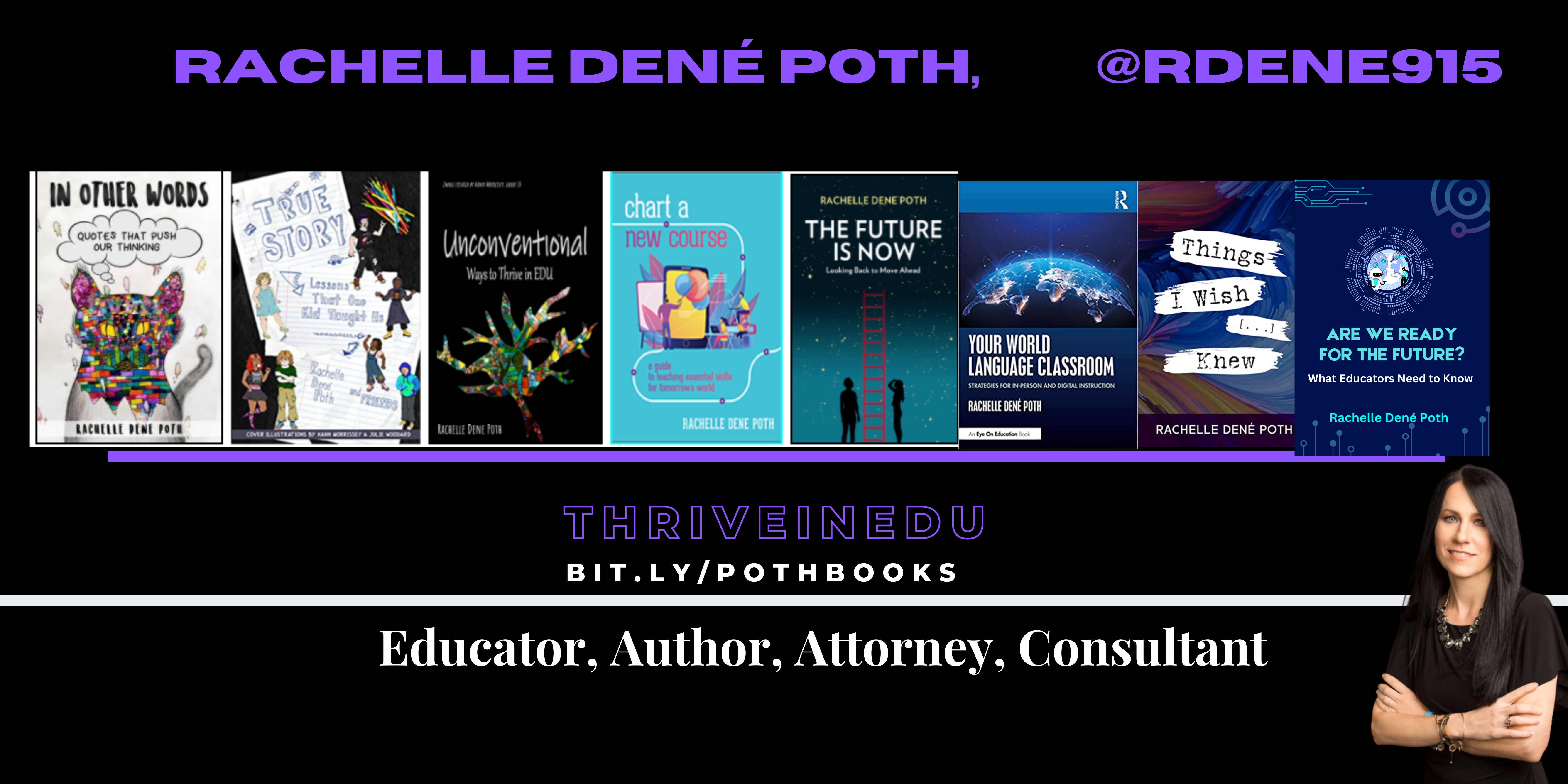
**Interested in writing a guest blog for my site? Would love to share your ideas! Submit your post here. Looking for a new book to read? Find these available at bit.ly/Pothbooks

 Learning as I go: Reflections & lessons learned