Trying to Keep Students Involved: What Can We Do About Homework?

 Toward the end of this past school year, I noticed a quick decline in homework completion, student progress and motivation. I knew that it had been a very busy final few weeks full of testing, athletic events, and much more, and thought that I should work on ways to engage the students more, try some new things in class, and finish the year strong. So I used that time to test out some new tools, offer some new opportunities and different choices to the students. I found myself allowing for more spontaneity in our learning, taking a few more risks, and asking the students for more input into what they wanted to do and how they wanted to learn. It became part of my “staying strong till the finish” experiment, which included mixing up the seating arrangements, giving students opportunities to teach class, choosing how to show what they had learned and more. With positive responses, I then shifted to another area which concerned me and that was homework.
Do we need to assign homework?
As a student, I always had homework and it was always the same as everyone else. We did worksheets, or outlined chapters, or had some other task. When I first started teaching, I found myself teaching similar to how I had been taught. Homework was assigned to my students on most days, and on most days it was the same. For a very long time I did not see any problem with this, I was using the homework to assess the students and give them the practice they needed to master the content. But as part of my professional development and interest in trying new methods and focusing more on student needs, I realized that it does not have to be the same. So I shifted my focus to evaluating the types and the frequency of homework assignments that I was giving to my students.
Over the past few years, I have changed my thinking, looking for ways to move away from those “one size fits all” assignments and aim toward providing more personalized, authentic assignments for my students. Some other reasons are that students can possibly find answers online, or worse, copy the homework. And as a language teacher, I also wanted to find ways to discourage students from using online translators. These experiences, along with feeling a bit frustrated about the homework not being completed, led me to really try some new methods at the end of the year. And have led me to really think about what types of homework I will have for the upcoming year. It is an ongoing learning process. Some areas that I have been reflecting on are: the types of assessments used in my classroom, my different groups of students, the frequency of their homework completion, and even more closely, a look at the individual students within each of the classes. My goal is to continue to reflect on whether or not the type of instruction and the strategies I am using, are beneficial to them and if what I am assigning truly has value and is helping to build their skills, or is it simply busy work.
Questions I asked myself I have been thinking about a few areas of my teaching. What are the types of materials use in class? Have I been using the same resources each year with each class? Was I assigning the same homework to each class? There are times when I had used the same worksheet, or a test over the years. Not because I was lazy, but rather, because it was a quick assessment to use or I believed it was the best way to provide the students with practice. But I have been working to find something that would work best for and help the students. And I have realized that it is more than taking a look at each individual class, it means really developing an understanding of the needs of each individual student. What helps them to learn the best? What do our students want and need from us?
An experiment
I do believe in the value of homework and I know that students today have a lot of homework each day. Homework is one of the ways to help students to practice and evaluate what they know, what they don’t know and how they can improve. It is one of many ways teachers can assess students and learn about their needs, provide instruction and valuable feedback. To change things a bit, I decided to make things more personal and have the students decide what they could do for homework.
I assigned each student to be the teacher for the next class period. The students were working in pairs and their homework was to come to class the next day with a lesson to teach. It could be something tangible such as a worksheet or could be a website, a video, a game, or any other resource. I was fine with whatever they chose as long as they could use it in class and more importantly, that they could teach their partner. I thought this would be a great way for the students to have more meaningful learning and also build relationships and collaborative learning skills. And in the process, also see there was more than one teacher in the room.
The results
During the lessons, I interacted with each group to see the lessons they prepared. Students had created worksheets, written notes, brought flashcards, had games and videos and more. A few even created a game for their partner to play. But what was most important was that they sought out resources, they had an opportunity to teach someone else and their homework was personalized not only for them, but also for other students. It went well and they were enjoying it and learning. I was nervous about doing this, about not having clear expectations, and leaving it up to the students. It was a risk. But it went very well and I was impressed with how creative they were, their level of engagement, and the variety of “homework” that had been done.
The student responses
I value student input and regularly engage them in informal conversations because I want to know their thoughts. Did they learn? Was this an effective way to practice? It was a very positive experience and the end result was that the students became teachers, the learning was more personal, they felt valued, and it was meaningful and beneficial to their learning experiences. It is a risk and when you don’t necessarily have the whole plan set out, and you just kind of go with it, you might be surprised at the results. Giving up some control to the students is not always easy, but in doing this, it opened up more opportunities for facilitating their learning, providing more individualized instruction and continuing to build those relationships which are the foundation of education. I still have some time before the new school year and I am looking forward to trying more ideas like this, which give students more control and provide diverse learning opportunities.
There are a lot of great tools out there and students really like having choices in the classroom and learning new ways to use technology that helps them to develop their language skills.

The Summer Spark experience

Thanks Adam Schoenbart  and The EduCal for the opportunity to share what a great event this was for everyone.

summerspark2016

The Summer Spark Experience

By Rachelle Dene Poth

What is the Summer Spark? In the words of lead organizer, Chuck Taft, it’s a conference with the goal to “set the the stage for all participants to innovate, collaborate, and connectate (Chuck’s word) and set the stage for exciting summer PD, renewed enthusiasm in the profession of teaching, and get fired up for their best ever year of teaching.” I can tell you that the Summer Spark delivered all of this and much more.

The Summer Spark was held at the University School of Milwaukee on June 13-14, 2016. I discovered the event through Twitter, and I am excited to share my Summer Spark experience from this year’s event.

A Great Start to Summer

If you are looking for a great way to kick off your summer learning, I highly recommend joining Summer Spark next year! Mark the dates on your calendar now: June 12th – 13th, 2017. Learn more about the event here and start planning your trip. No matter where you live, traveling to USM is well worth it!

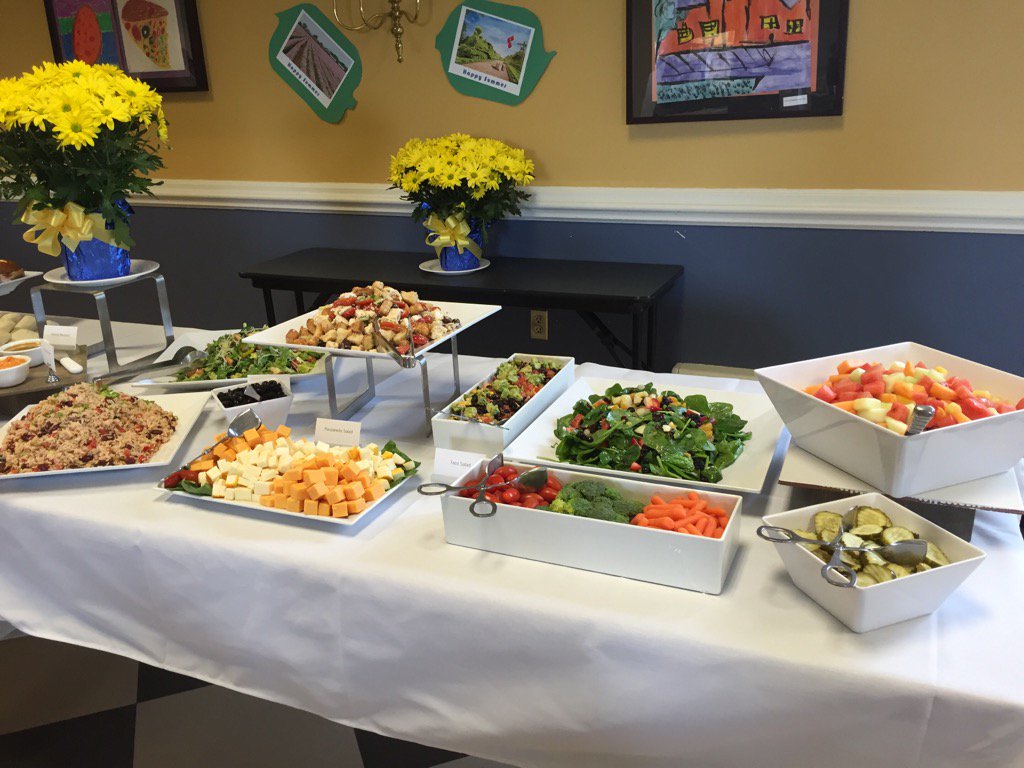
It was two days full of learning opportunities which included keynotes, networking time, tracked sessions, workshops, unconferences, fabulous food and a ton of fun. The days included presentations led by authors including George Couros, Jason Bretzmann, Kenny Bosch, Shelley Burgess, Don Wettrick, Julie Smith, Michael Matera, Matt Miller, and Quinn Rollins. Each day kicked off with a fabulous keynote speech, inspiring all of those present to seek more opportunities for themselves and for their students and calling on all education professionals to take action and expand their learning possibilities. #USMSpark was trending, and Twitter was full of inspiring posts and pics to share the experience with those in attendance and people everywhere. Check out the Twitter feed for quotes, pics, and inspiration.

Summer Spark 2016 Begins!

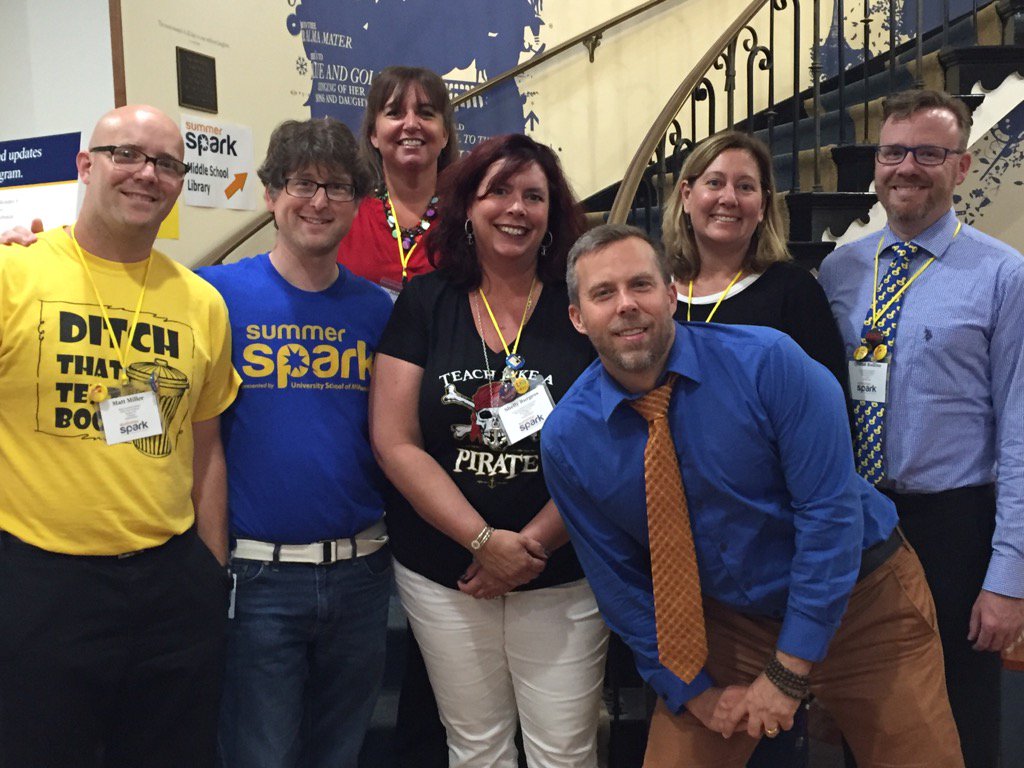
It started with a welcome breakfast, which was fantastic, and time to meet and greet. For me, it was the opportunity to finally meet a friend in person and learn together in the same place, rather than learning virtually, as we had for the past few years. For many, it was an opportunity to reconnect with friends from last year’s conference, to meet “tweeps” face to face, and to make new friends as well. For everyone, it was the start of what would be an inspiring and invigorating two days of learning and growth. No matter where you looked, people were engaged in conversations, smiling, laughing, taking photos, posting tweets and having a lot of fun together.

The Summer Spark conference had sessions organized into strands for learning which would help attendees to select a particular learning topic and find sessions most relevant in their area of interest. There were so many opportunities for networking and personalized learning with the great offering of presentations, so many in fact it made it hard to narrow down to just one choice for each time slot. However, with so many opportunities to sit down and talk with one another, plus the availability of presentations and collaborative notes through the conference site, there were alternate methods of gaining new knowledge and ideas, even if you couldn’t attend all the sessions you wanted at the same time.

And at the end of Day 1, there were 25 teams racing against the clock in a Spark Treasure hunt, frantically trying to solve various puzzles and tasks, engage in “tomfoolery” to unlock the box. Congratulations to Team Typewriter! A thrilling end to the first day, fueled by innovation, collaboration, and “connectating.”

Day 2 was no different, kicking it off with another motivating keynote by Don Wettrick, with the message to “accept the challenge: I don’t care if you teach 20 years, just don’t teach the same year 20 times.” The keynote was followed by “unconferences” in the traditional EdCamp style, and attendees were called on to come to the front and pitch a session (which also gave you some extra tickets for those great raffle prizes). There were a lot of great topics ranging from alternate assessments to Google Classroom, infographics and interactive lessons, gamification, elementary apps, creating an innovative genius hour, getting started with Twitter, and so much more.

There were additional presentations before and after another tremendous lunch buffet, some trivia games and the day was rounded out with 90 minute workshops allowing for a deeper dive into the morning’s topics. It was a fantastic two day learning experience that drew to a close on Tuesday afternoon with the raffle and announcement of the dates for next year’s Summer Spark.

My Takeaways

It was such a phenomenal event, led by the host Chuck Taft and his team who provided everything and more that you could possibly want. The welcome, the students helping the attendees, the tech support, the staff and everyone at the school made this a truly outstanding experience for everyone. There were lots of highlights throughout the two days, new connections made, friends meeting face to face finally, and lots of fun and excitement.

I am thankful to have had the opportunity to attend Summer Spark and be able to share some of my knowledge, but more importantly, to meet and learn from so many others. The trip from Pittsburgh was well worth it and I look forward to attending again next year. Conferences like this connect people, enable Twitter friends to meet face-to-face, or to make new friends and to walk away at the start of summer with some new ideas and new directions to go. I’m thankful to have left energized and excited for the future.

Thanks Chuck Taft and all of the Summer Spark conference planners for a truly amazing opportunity and I am honored to have been able to be a part of this experience.

Thoughts from Attendees

Here are some thoughts from other participants about their Summer Spark experience:

  • “The atmosphere was electric” (Nick Davis)
  • My brain won’t stop thinking about all of the amazing ideas I got from #USMSpark. I dreamt about it last night! (Neelie Barthenheier)
  • “Already going through withdrawals after a 7 hour drive home, missing the magic, excitement, and connectedness of the conference. I know the magic of being around so many teacher authors/ entrepreneurs was empowering“ (Dean Meyer)
  • “I was blown away by @USMSpark! Thank you so much for an amazing 2 days of learning and growing!” (Rebecca Gauthier)
  • “You knocked it out of the park! #USMSpark was a fabulous conference!” (Tisha Richmond)
  • “Truly humbling experience to be surrounded by so many passionate, visionary educators. I wouldn’t miss #USMSpark” (Brian Durst)
  • “Can’t say enough about the hard work, dedication, positive, encouraging, energizing nature of the the heart & soul of #USMSpark “ (Jason Bretzmann)
  • “A big thank you to a terrific host @Chucktaft at #USMSpark. So many new friends, ideas, and passion as a result” (Mike Jaber)
  • “So much learning and working together…this is what it’s about. Getting better so WE can make education better!” (Brit Francis)
  • “Wanted to make sure I told you how awesome #USMSpark was & loved meeting you in person! I’m excited about coming back next year :)” (Mandy Froehlich)
  • “Thank you for your passion, commitment, enthusiasm, & humor. Thanks for igniting the spark” (Yau-Jau Ku)
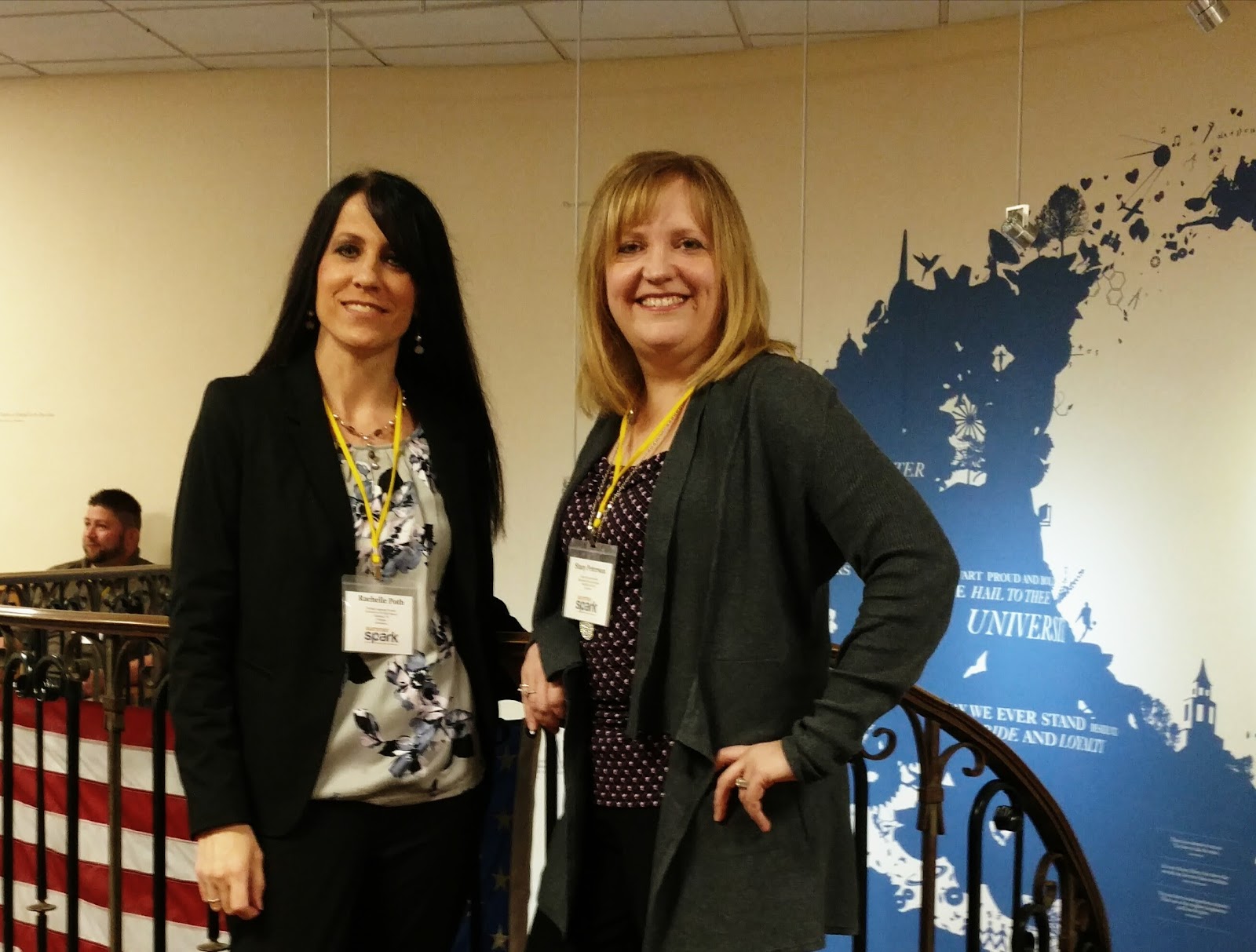
Learning Together Finally!
Thanks #usmspark!

Rachelle Dene Poth is a Spanish Teacher at Riverview Junior Senior High School in Oakmont, PA. She is also an attorney and earned her Juris Doctor Degree from Duquesne University School of Law and Master’s Degree in Instructional Technology from Duquesne. Rachelle enjoys presenting at conferences on technology and learning more ways to benefit student learning. She serves as the Communications Chair for the ISTE Mobile Learning Network, a Member at Large for Games & Sims, and is the PAECT Historian. Additionally, Rachelle is a Common Sense Media Educator, Amazon Educator, WeVideo Ambassador, Edmodo Certified Trainer and also participates in several other networks. She enjoys blogging and writing for Kidblog and is always looking for new learning opportunities to benefit my students. Connect with Rachelle on Twitter @rdene915.