Changing the Classroom

Image Credit Pixabay

Guest Post: Jenn Breisacher, Founder of Student-Centered World (www.studentcenteredworld.com)  

Twitter: @StuCentWorld, Instagram: @studentcenteredworld


Somewhere along the way, teachers got scared.

I don’t mean scared in the traditional sense. Yes, sometimes there are heart-stopping moments for one reason or another, but teachers aren’t scared of their climate.

Teachers became scared of today.

As long as we can remember, teaching has been about this technique or that in the classroom. We are sent to learn about different methods and spend hours of professional development learning about different ways to help our students be successful. Some teachers take this in stride while others sit back and roll their eyes, knowing that when they go back to the classroom, they’ll just stick to “what works”.

It always has, right?

But what happens when an entire generational shift occurs? What happens when an entire generation doesn’t know what life was like before September 11th? That landlines used to be the only way to call somebody? That “likes” and “follows” used to be a phenomenon that was done in person?

Folks, that generation is here…and “what works” doesn’t work for them.

Generation Z has entered our classrooms and they are different than any other group that has been taught in traditional education before. They are hands-on, tech-savvy, and need to know that what they are learning will help them make a difference. Simply put, traditional methods of instruction will not allow them to perform at their best. 

Let me say it again, “Traditional methods of instruction will not allow Generation Z to perform at their best.”

I’m not saying they can’t learn with traditional instruction. Sure, by osmosis they may learn by sitting and listening to a lecture or taking notes from a PowerPoint…but this is not how they will learn best. As educators, we don’t want to simply go through the motions. We don’t want to know our students learned the bare minimum to pass and move along. We want them to have a thirst for knowledge, to want to know more, learn more, do more. Yes, they may “learn” in a traditional classroom, but there will be multiple layers of potential that simply does not get tapped.


The world our students are entering is so competitive, but not in the ways we remember. Jobs used to be industrial, but now they’re turning entrepreneurial. We need to give our students the power to head into that world with confidence. We need to help give them an edge so when the going gets tough, they know what to do. We are preparing our students for jobs that don’t yet exist, which is a scary thought. (Don’t believe me? How many of you recall friends who wanted to be social media managers while you were in school? That’s just one example). The only way we can ensure their success is if we train them now to think outside of the box and to be willing (sometimes quite literally) to get their hands dirty and think like no one else.

This is the scary part for teachers.

Yes, throughout the years, life has changed. Every generation of students who have come to school has had different needs and interests than the ones before them. However, the birth of the information age and the worldwide connections that are now made in an instant are things that have never been seen before. We can debate for days whether or not this is good for society…whether or not “these kids” are being helped or harmed because they know how to function a Smart Phone by the time they’re 2. While those debates are fine, they’re not changing anything regarding what clientele we have in our classrooms right now. These changes to society aren’t going anywhere…at least not for a long time…and it’s our job…our duty…to make sure we are adapting in the classroom so these kids are learning in a proactive way for the world that awaits them, not the way it’s always been done in a world that no longer exists.


Change is scary for everyone. It takes us out of our comfort zone and makes us dabble in ideas that may be foreign to us…but remember, those ideas are not foreign to our students. If we want them to be as successful as possible in life, we need to help prepare them for the world that awaits them, not the world that awaited us.


ParentSquare for Teachers

Communication is Key

One of the things that I enjoy the most about the summer is having more time to reflect on the different tools and resources that I am using in my classroom and to explore new ones. Summer is also the perfect time to participate in professional learning, whether by attending conferences, taking classes, or meeting with other educators. This summer, I have been involved in several presentations and conversations that are focused on finding a way to enhance better communication between home and school. It is critical for classrooms today that we find a way to increase family engagement in the learning experiences of their children and make sure that everyone has access to the school information and resources, especially those that are time-sensitive.

Finding the right tools

There is no shortage of tools that we can use to form a connection between home and school, whether we want simply to send messages and class updates to students, or we want to focus more on including parents. Because teachers have so many different responsibilities, finding the time to explore tools can be a little challenging at times. This is why it’s beneficial to share what we are doing in our classrooms to help other teachers get started and to make those connections that we know are so important for student success today.

Several years ago I noticed a disconnect and I resolved that by finding a digital tool (Celly, then Remind) to connect with my students so I could share resources and class updates with them. But I soon realized that I needed to go beyond simply connecting my students with the class, I needed to include parents. That’s when I moved to using an LMS, Edmodo, which enabled students to get the materials that they needed, and also keep parents informed about our class.

The benefits of one platform

Although these tools worked just fine, the concern was that teachers were using multiple tools. This meant that parents had to keep up with multiple apps, some of which may not have been accessible on their devices. When I was using the messaging app and the LMS, I had to keep a good routine of posting on both platforms and keep reminding myself that I needed to do so for each class that I was teaching. After a short period of time, I realized that there were too many being used. Being able to effectively communicate and collaborate is easier when everyone uses the same platform. There is consistency and parents won’t have to worry about which teacher uses which app, or whether or not their device is compatible with the apps being used.

Making the shift

Thinking about the different communication tools available to teachers, moving to something that offers more than two-way communication and the sharing of photos, videos, and files, makes sense. We have many responsibilities that could require multiple apps or forms of communication. However, notifying parents about student attendance, scheduling conferences, asking for volunteer sign-ups, or coordinating class fundraisers, are a few added benefits when teachers use a platform that provides all of these options housed within one.

Enter ParentSquare

As teachers adopt free communication tools, districts are looking at alternatives. One such tool is ParentSquare. What does it have to offer for teachers and how does it compare to Remind and other teacher-adopted tools?

Teachers use ParentSquare for:

  • Communicating with families and students
  • sharing pictures
  • scheduling conferences
  • sharing class calendar
  • asking for class and project supplies/class party items and food
  • requesting chaperones and volunteers
  • collecting payments for field trips
  • Providing/Collecting forms and permission slips

In addition to the teacher uses, there are many other benefits for school- and district-based usage such as attendance and lunch balance notifications, bus delays, sharing grades and assignments, delivering progress reports securely, and emergency notifications. Having these capabilities makes ParentSquare a single hub for all school-home related communication for parents.

I have had the opportunity to explore ParentSquare over the last six months, to get feedback from other educators and to compare the ways that I used other messaging tools and apps in my own classroom. Besides the time factor, sometimes educators get pushback because there is just too much technology. Too many things to worry about, too big of a learning curve, and too much to figure out to get started, so it’s easier to stay with the tools that have been used for years and that are more comfortable.

Easy to join

When using a platform like ParentSquare, teachers have a lot less to worry about when it comes to sending messages and inviting parents to become part of the group. ParentSquare automatically integrates with the SIS, making it easy for parents to join because it’s done automatically for them, without the need for a join code like with Remind. Parents who don’t register will still receive messages because their information is pulled from within the school rostering system.

Comprehensive and consolidated

Parents will feel more connected to the school by having one consolidated platform, which resolves the problem of knowing where to find information or keeping up with multiple apps for different classes and yet more apps and tools used by the school and the PTA. ParentSquare combines all into one. With tools like Remind, the options are limited as to the types of information that can be shared.

Privacy

It is important to first guarantee that any tool or platform used is in compliance with COPPA and FERPA. Compliant with both, ParentSquare takes all precautions when it comes to the safety and security of students and their families. ParentSquare is a signatory of the Student Privacy Pledge and the company signs a contract with the district to ensure student privacy. While Remind is also compliant with COPPA and FERPA, it has not signed contracts with the district or school in most cases.

Delivery of messages

At times I also heard that some parents were not receiving my messages. When I used Remind, I could see that messages were delivered, however, the students or parents were not necessarily reading them, which presented another problem. Perhaps because of the use of multiple tools, which is why it makes more sense to have one comprehensive platform. ParentSquare automatically delivers messages using the right modality – email, text or app notification and the right language as is in the school records. Reports show reach and deliverability of messages, making it easy to identify who has or has not been contacted.

Consistency is important

Personally, I have used anywhere between four and six different apps and websites to complete these tasks. However, with ParentSquare, you can facilitate faster and better communication and collaboration between home and school. ParentSquare enables schools and families to engage more in conversations by providing multiple options for communicating in less time through direct messages, polls, and the option to post comments all in one platform. It offers a consistent and reliable way to communicate within the school and school district, fostering and building the relationships that promote better communication, student success, and family engagement.

In many schools, administrators are potentially asking teachers to use platforms that are a paid platform rather than selecting the tools that they feel most comfortable with or prefer to use based on their role or content area. Making the transition from a tool like Remind to that of ParentSquare does not require any extra time, in fact, it is very user-friendly and easy to navigate. And if there are any questions there are many resources available including online self-paced training modules, extensive knowledge base, 24*7 support for teachers and parents.

Sign up for a demo today

**********

Key features: Also check out the video here.

Key Features  
Privacy Available, updated 2018
District Level Oversight
Messaging to and between parents
Messaging between teachers and staff
Individual/Group Messaging
Notifications as text, email, app
Send/Schedule reminders
Language Translation 100+ with Real-time translation
Class/School Calendar 2-way Sync with Google and iCal
File and Photo Sharing
Conference & Volunteer Signups
Single Sign-on
Unlimited Message Length
Coordinate Events/RSVP
Permission Slips
Devices: iOs, Android, Web
Attendance Notifications
Grades and Assignments
Report Card Delivery
Attendance Delivery and Excuse Notes
Truancy Letters
Cafeteria Balance
Payments and Invoices Recurring & one time
Polls and Surveys

Buncee: More than just a presentation tool

Buncee: More than just a presentation tool!

There are a lot of great digital tools out there for educators to bring into their classrooms. When it comes to deciding on a specific tool to use, we must always think about our purpose and perhaps ask ourselves a few questions, such as: why are we looking for a digital tool, what are we hoping to accomplish by using it and how will it benefit students and learning? I’m often asked by colleagues either to recommend a new tool or direct them to something specific based on their requirements, such as video, audio, text and more. Because Buncee is such a versatile tool and offers so many options all-in-one, I find myself recommending it a lot. It is easy to get started with and full of choices for teachers and students.

Educators want to use tools that promote student choice and student voice and offer more than just one purpose. The reason I recommend Buncee is because it offers much more than simply being a way to create presentations. In addition to all of the wonderful things that can be created using Buncee, there are additional benefits for educators and students that might be overlooked or simply not thought of when getting started. For example, educators can meet the ISTE Standards for Students and Educators. By having students create with Buncee, students become empowered learners, creative communicators, innovative designers, knowledge constructors and engage in learning that meets each of the ISTE standards. With technology, we want to make sure that it is being used in a way that amplifies student voice and choice in learning.

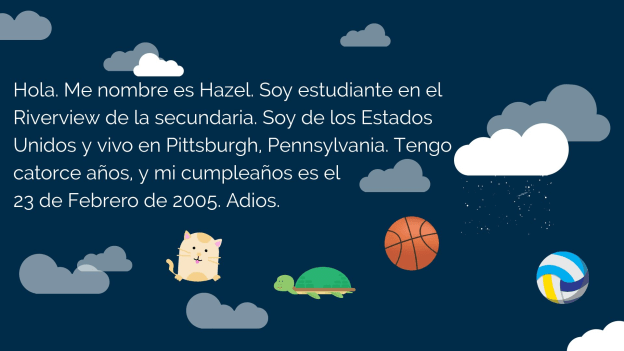
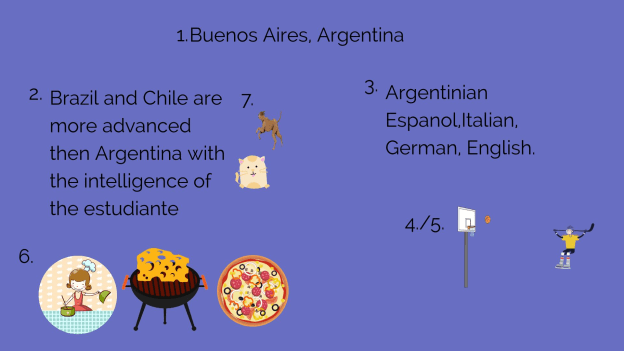
However, Buncee does more than that. Beyond addressing the ISTE standards and providing students with more authentic and personalized learning experiences when creating with Buncee, there are other skills that are being addressed. In my own classroom, we have used Buncee for many different projects and even for project-based learning (PBL). My students created Buncees to share with their global peers in Argentina and Spain. Creating an “About Me” Buncee enabled all students to develop a more global understanding and become aware of cultural differences, as well as to develop empathy in the process.

Students enjoy creating with Buncee and even more than seeing their own creations, they really enjoy seeing what their classmates create. I have noticed that students become more comfortable with one another in class and start to build closer connections while working on their Buncees. Even the quietest students begin to ask questions, interact more and have been more engaged in creating when using Buncee than they had with other tools before. Students tell me that they enjoy teaching one another, learning about their classmates in unique ways, and feel like they are part of a classroom community.

Knowing that students are picking up on this has been a great way to foster the social-emotional skills (SEL) students need now and in the future. Buncee is so invested in providing a lot of options and opportunities for students and educators to enjoy learning, creating and growing together. Now Buncee has templates available to address SEL.

What is Social-emotional learning?

CASEL (The Collaborative for Academic, Social, and Emotional Learning), formed in 1994, is an organization which actively works toward promoting the importance of developing SEL skills in education. SEL is focused on five competencies: self-awareness, self-management, social awareness, relationship skills, and responsible decision making. The development of these skills can benefit the level of student engagement as well, leading to higher academic achievement and reduce discipline issues in the classroom.

Providing opportunities for students to interact through the use of digital tools and activities in the classroom promotes the development of social-emotional learning skills. Using some of the Buncee templates and emojis, students can comfortably express how they are feeling, provide a quick check-in based on their level of understanding, share personality characteristics or likes and dislikes, or respond to questions in class, for a few options. Buncee is “giving a voice to the voiceless.”

In my own experience, I have seen students who have preferred to not speak out in class or who voiced that they were not creative or would not be able to do a presentation, design amazing Buncees and be excited to share with their classmates. Students build confidence while creating and the benefit is that they become more engaged in and excited to share their learning and interact with classmates. It helps to foster the development of skills such as problem-solving, working with different layouts, visualizing and displaying student learning.

It is always a good idea to ask students for feedback. I want to know what their thoughts are, if the tool or strategy is making a difference for them and if so, how. Here are some student thoughts about Buncee.

“It helps me to express my ideas more easily and make presentations which are much more interactive for myself and for my classmates.”

It is made in a way that allows students to make it really personal and specific to what they need. If students are enjoying their work and are able to make it their own, then they will be more willing to learn and will improve because of using Buncee.”

Hearing from students is important and making sure that all students feel comfortable expressing themselves is even more important. With Buncee, students have many choices to find what interests them and to express themselves in a way that is authentic, meaningful and personalized.

Time for new ideas


null

The end of the school year is the perfect time to try the tools or explore new ideas that perhaps you did not get to throughout the year. We can also use this as a time to prep for the next school year. By trying different tools and platforms during the last few weeks, we can then take the summer break to reflect on their impact on student learning. During the spring, I notice a drop in student engagement and an increase in the number of students missing classes due to testing, sporting events, or regular absences. Finding a way to keep students connected and engaged in the lesson is critical.

To resolve these challenges, I try to find something that will benefit students, resolve any disconnect or gaps in learning that might be happening and increase engagement. A new tool that caught my attention recently is NoteAffect. It is a platform focused on enhancing and understanding student engagement and empowering teachers with a powerful tool to better understand student learning.

Why NoteAffect?

NoteAffect provides a unique platform for personalizing the learning experience for students. Using NoteAffect, teachers can deliver lessons in a more interactive way that empowers students to be more involved in the lesson and have access to all of the course materials within one platform. Whether or not students are present in class, they can log in to their account at any time and either view the lesson they missed, or review a lesson in preparation for an exam or for continued review.

NoteAffect offers the right resources and methods to better engage students in learning and helps teachers to track student progress, better understand the questions that students might have and use it as a way to reflect on their own teaching practice. Worried about having devices that are compatible with? No worries as NoteAffect can be used on a PC, Mac, Chromebooks, Android, and iOS devices, so students can interact in class or on their own schedule.
null

Getting started with NoteAffect is easy!

Finding time is always a challenge with so much to do in our school days and prepping throughout the week. However, with NoteAffect, teachers can quickly set up an account, invite students to join classes and begin sharing a lecture. The dashboard is easy to navigate and it provides access to the materials that empower teachers to better understand student needs and learning trends.

Once you have created your courses in NoteAffect, it is easy to have students join in the course and participate in minutes.

To invite students, simply follow these steps:

  1. Go to your Dashboard and select “Instructor Tools” and then “Course Management.”
  2. Select the appropriate course from the menu on the left.
  3. Select “Participants” and then select “Add participant” from the top right corner.
  4. Enter the student’s email address and click “Add.”
  5. Students will receive an email with a  prompt to join the course.

Once students are participants in your course, they will be able to see any prior lectures and participate in the current lecture being delivered.

To start a lecture:

  1. Click “Start new lecture” and you will be prompted to open the Broadcaster.
  2. Once the Broadcaster window opens, use the drop-down menu to determine which application to display or if you have other files that you want to use for your lecture.
  3. Once you select the app, it starts to share your screen with your students and it will record the audio as well.
  4. When finished, simply End Lecture and it will be available to students.

Features of NoteAffect

  • Students can take notes, highlight important points, make annotations on the lecture notes and even submit an anonymous question during class. Classmates can see the questions and upvote a classmate’s question, making it more interactive.
  • It’s a great way to have everything accessible in one place as opposed to writing on pieces of paper or having to pull from different presentations. By using notes, students have access to everything within one platform, making it even easier for students to manage.
  • Teachers can deliver their lessons and add in or embed live polling, and further engage students in the lesson.
  • Using the analytics, teachers can see the level of participation and engagement with the material.
  • Analytics provide information including the views, notes taken, words per note and annotations made by students, providing a clearer picture of the level of understanding and engagement of students.

null

It will be easy to get started with NoteAffect in your classroom or to recommend to colleagues and administrators for use in their classrooms and schools. To learn more, check into NoteAffect here and get started with a demo today! Be sure to follow them on Twitter 


For my prior post on NoteAffect, click here


Learn with Socrates: Get started before the year ends!

This post is sponsored by Socrates. All opinions are my own.

When I think about trying some new tech tool, I first consider my purpose when deciding which tool to try. As educators, our goal should be to leverage technology in a way that helps to empower students, promote personalized and student-driven learning, and amplify their learning potential.

As the school year winds down, I think we have a great opportunity to provide some new, authentic learning experiences for our students. We can use these last few weeks of school to do some really cool things. If you notice that students are kind of drained or their motivation or engagement seems to be lacking, then I think it’s the perfect opportunity to try something that you’ve had on your mind but never quite found the time, or to try something new that you recently learned about. Either way, in my own experience, I have seen improvements in these areas by providing access to different digital tools for students to choose from and that meet their needs and interests. Of course, finding something that enables students to have fun while learning is never a bad thing. I recently found something that will definitely help: Socrates

Why Socrates?

Socrates provides a unique game-based learning platform that is focused on differentiating instruction for students. By using Socrates, teachers have access to a wealth of resources and ways to better engage students in learning, helping them to build their skills in content areas such as math and English through the use of games. Because the platform uses artificial intelligence, it is able to adjust to student needs by creating an individualized learning path in real-time, which makes Socrates stand out from other learning platforms. It is easy for teachers to track student progress and quickly identify where students might need some extra help or instruction. It enables students to progress at a pace that meets their individual needs and provides them with the right supplemental resources they need when they need them.

Getting started with Socrates is easy!

Finding time is always a challenge with so much to do in our school days and prepping throughout the week. However, with Socrates, teachers can quickly set up an account, add students to classes and start assigning free practice, homework, and tests in no time at all. The Teacher and School Command Center Modules in Socrates provide a powerful teacher assistant that informs teachers when and where each student needs help. Being able to act on that information quickly is key for teachers, and this is where the AI makes an impact on student learning and growth. Get started today! (link)

Worried about having devices that are compatible? Socrates can be used on a PC, Mac, Chromebooks, Android, and iOS devices. Students can complete their work in class or on their own schedule wherever they have access to a device.

How to get students started

To add new students, simply follow these steps:

1. Go to your teacher Dashboard and select “Manage.”

2. Click the student icon to add a new student.

3. Enter student first and last name.

4. Add a student ID (at least 4 digits).

5. Select the grade level for the student.

6. Click “Create a student account and add to the roster.”

Making changes to student account information is easy using the Command Center. Teachers can specify a grade level, an active area of study, learning style, and gameplay (ranging from High gameplay to No games). Assessing student progress and making changes to their learning profile is easy to do within the Command Center.

Free practice, homework, and tests

It is easy to find the right activities for students and to start a class or set up activities for students to work on at a later time.

To get started:

  1. On the dashboard, select “Assignments.”
  2. Once assignment opens, select the Area of Study (K through 5th) and the content area (Math or Language Arts)
  3. Select the topic, and continue making selections for the specific content material.
  4. On the Assignment details, change the name, the number of questions, add a start and end date if applicable.
  5. Choose to assign as Free Practice, Homework, or to Print.
  6. Once selected, the assignment is added to the student____________ and a box prompts you with “OK” to signify the assignment has been created.

First impressions

Before getting students logged in, we discussed artificial intelligence and how it was used in the Socrates platform. Students were excited to get started. I was impressed by how quickly I could create accounts for my students and get them logged in. They were able to navigate the platform without my assistance and enjoyed having so many choices in which games to try first. Being able to track their progress and make adjustments so quickly is definitely a benefit of the Socrates platform.

If you have not yet tried it, I recommend getting started here. Socrates offers a 30-day free trial. I encourage you to try it out for the rest of the school year and see what students think and reflect on how it benefits learning now and through the summer.

For more information, see the blog, be sure to share your feedback and also follow Socrates on Twitter: @learnwithsocra1

null

Ideas for the end of the school year

With the summer break approaching, educators and students alike could use some fresh ideas to keep the energy high and finish the year strong. I have found that the end of the school year is a great time to try some new activities and tools and use it as an opportunity to try things that may have been on a list somewhere, but that you did not have the chance to do. Why not try some different methods and different tools to help students to review in preparation for final exams, create a project, or before moving on to the next level of a course. Also, depending on the course taught, some of these ideas can be carried into the summer, as a way to avoid the “summer slide.”

There are many options for getting students more engaged in learning, some rely on tech tools and others are simple hands-on activities that have the students deciding how to use the materials to learn. Regardless of the content area or level taught, technology can open up new possibilities that might just be the catalyst to spark curiosity in students or to help to engage them more in learning, and then their own motivation can take over.  I decided to try some different strategies, tools, student developed ideas, and more importantly, to step aside more in the classroom and let the students lead.

5 Ideas for Engaging Students

Here are five different ways that I found to bring about positive changes in the classroom, engage students more in learning, and also build relationships within our classroom. Hopefully, you will be able to try a few of these and push through strong until the end of the year!

  1. Games and Music: Earlier this year, I started to use more music and games in the classroom. The students became more involved in creating their own games and also writing some songs, to use as mnemonic devices. Why not have students create their own song using course related vocabulary, and set it to the music of a randomly selected song. It can be a really authentic way for them to create, have fun and remember the content in a more meaningful way. For my class, the most popular song was “Despacito” and students did a great job!
  2. Learning Stations: Try creating stations in your classroom by randomly dividing students into small groups, and have a different activity ready for each station. I like to mix the tech tools with traditional tools, so students can do some hands-on creating where students make flashcards or other visual which can be used as a resource, complete a worksheet or use dry erase boards and come up with a way to practice. For a few tech ideas, try setting up some iPads and giving students a game of Quizizz or Gimkit to play, or an interactive lesson using EDPuzzle or Playposit.  Using stations in class leads to more opportunities for student interaction and for the teacher to work directly with each group and each student. GImkitCreateGimkitLIbrary
  3. New Tech tools: Why not take the last couple of weeks of school as an opportunity to try out some of the newer tech tools or revisit some of the popular tech tools that may have some updates.  I try to learn as much as I can about new tools, but I am eager to have my students try them in class and to give me feedback on what they think. Here are a few of the most recent tools we have tried. Each tool makes it easy to get started either by having a library of ready-made games or by integrating with a tool like Quizlet, where study sets can be used to create a game. QuizalizeGimKit, and Flipquiz. Each of these is a game-based learning tool, and offer a new and exciting way to practice the course material, and also to help students continue to build peer relationships in the classroom. null
  4. Augmented and Virtual Reality: There is a lot of talk today about the benefit of using augmented and virtual reality tools in the classroom. There are so many different tools to choose from,  but I will recommend three tools to check out that can create more immersive learning experiences. Students can create using MetaverseAppCoSpacesEDUand also creating or joining lessons in Nearpod. Students are very creative and offering them a chance to design an augmented or virtual reality experience, in which they include the content material and also create additional learning resources for the classroom is so beneficial. Again, there are samples available in the library for each of these tools and creating with them is something that the students catch on to rather quickly. If you are looking for a different way to do a project, and to engage students more, then trying some AR/VR might be the way to go. Using Nearpod as a way to have students work through an interactive lesson, and then adding in 3D objects or Virtual Field Trips will really help students to better experience what they are studying. The next step would be to have the students create their own Nearpod lesson for class, multi-media, all in one tool. IMG_20170530_145553.jpgnull
  5. Podcast, Video Responses and More! Ever thought about having students create a podcast to discuss a topic, perhaps interview a “special guest”, maybe someone who takes on the role of a famous person being studied, or shares their thoughts about something covered in the class. It could be a good experience for students to practice interviewing someone, or even doing their own podcast, as a way to build some confidence and have fun while doing so. Maybe use Synth or Flipgrid and have students post responses to a question of the week, or have each student post a question for the classmates to respond to. It can be a different way to engage all students in a discussion, promote student voice and implement a new tech tool in the classroom.

In trying one or all of these activities, students have an opportunity to be more active in the classroom, work together, build relationships, collaborate and engage in more authentic learning experiences. If you need some ideas or would like to see some student examples, let me know. The best part of trying new things in the classroom is learning right along with the students, and sometimes, they learn before you. And this is one of the best parts!

NoteAffect: A better way to engage

NoteAffect: A better way to engage

This post is sponsored by NoteAffect. All opinions are my own.

The Future of Educational Technology Conference (FETC) held at the end of January has become one of my favorite conferences because of the diverse opportunities available to explore emerging technologies and to network. One of my favorite things about FETC is exploring the edtech startups to find out what new tools and trends are out there and to learn some of the stories behind the creation of these tools. It is a great opportunity to see the different start-ups in the Pitch Fest competition and hear their passions for education.

One that caught my attention this year was NoteAffect, an interactive learning platform aimed at promoting and understanding student engagement. The platform empowers educators by providing many options for delivering a lecture and includes live polling, questions, analytics and more, to enhance the learner experience. With time so limited at the conference, I explored the platform on my own and then contacted Jay Tokosch,Founder and CEO of NoteAffect, to set up a demo.

The story behind NoteAffect

When I spoke with Jay, I learned that he got started in this business by founding Core-apps, one of the leading event management systems in 2009. Core-apps was the first company to create a mobile app used for event management. So if you’ve been to conferences or trade shows, and used a conference app to build your schedule, you may have using Core-apps. Having ten years of experience with a highly engaging event management app, Jay has designed an equally powerful learning tool for education. When I asked Jay about how he came up with the idea for NoteAffect, he told me that he got the idea after observing his son preparing for an exam. Jay noticed his son pulling out a spiral notebook, some printed Powerpoint presentations and other documents to study for his college engineering exam. As he studied, his son was going back and forth between all of those materials, trying to match everything up to study. Jay decided to “fix that problem” by designing something that could store all of the information in one place and make it easier for students to study.

The design of NoteAffect is quite simple and easy to navigate, which makes it a great choice for all teachers, whether they are beginners or advanced users when it comes to implementing technology in the classroom. By using a robust tool like NoteAffect, teachers have immediate access to real-time data that enables them to provide the right instructional supports and make adjustments on the fly as the lecture continues. The goal of NoteAffect is to empower teachers to provide the best learning experience and options for students and to close the gap that happens when students are absent from class. While students can easily get the notes or look over a presentation, without the additional resources added in and the interactive piece that NoteAffect provides, students will be missing out and cannot reach their fullest potential.

What does NoteAffect offer?

NoteAffect is more than simply a way to deliver a lecture. It offers digital interactive learning that is available to students whether live in class or for later viewing at a time that meets their schedule. It is a multi-purpose platform with capabilities to facilitate communication, collaboration and increase student engagement in learning. NoteAffect creates a virtual space for students to fully engage in the lesson, whether participating in class or viewing it at a later time.

When I first explored NoteAffect, what I immediately noticed was how easy it was to set up my courses, add students, locate my lectures, and navigate through the platform. Having time to explore NoteAffect closely, I thought about my own college experience years ago and how beneficial a tool like this would have been for some of the more challenging courses that I had. Although we had access to lecture notes made available after class, being able to interact with the content during class would have increased my understanding and helped with content retention.

Another benefit of Noteaffect is for increasing student engagement. For a long time, I struggled with student engagement and reached out to colleagues and tried different resources to see if I could engage students more. While the methods definitely improved student engagement, I needed more data to work from. Using NoteAffect enables you to focus more closely on student engagement by exploring the analytics available for each lecture and each student.

With NoteAffect, tracking student engagement is easier and it is also a great way to reflect on the teaching practices being used in the classroom.

I will continue exploring NoteAffect and gather some feedback from my students. Check into NoteAffect here and get started with a demo. My next post will highlight some of the features and offer some tips for getting started.

Socrates: Engaging Students and Empowering Teachers

Learning at the Speed of You

In the spring, I like to explore new tools and ideas for use in my own classroom and for colleagues who want to try something new before the school year ends. Spring is the perfect time to try out teaching methods or tools that you perhaps did not have time for yet, or to find something that will keep students engaged through the end of the school year and maybe even to use to avoid the “summer slide.”

A few weeks ago, I came across Socrates, a learning platform also referred to as a “learning engine.” Socrates offers many valuable features for students and teachers, that make it a standout and I am looking forward to sharing its features, ideas to get started and tips over the next few weeks.

The story behind Socrates

I’m always interested in the people behind the product and learning about their motivation for designing something for educators and students. To learn more, I contacted Brian Rosenberg, the Co-Founder, and Chief Executive Officer, to gather some background information on the platform, to find out how it uses Artificial Intelligence, which is a key area of interest for me, and the types of resources available for students, teachers, parents and for homeschooling. The platform, created by Education Revolution, LLC has already received recognition several times this year. Socrates offers such distinct features, which makes it clear why it was endorsed by and received a grant from the National Science Foundation. Less than 5% of the companies are chosen, and Socrates, selected for its unique innovation and having a clear benefit to society was the first winner in Nevada in six years. More recently at the Magnet Schools Conference in Baltimore, Brian had a chance to share the vision of Socrates. He shared that the platform “was created to help provide equal access to students regardless of their socio-economic background.”

Impressive features

I scheduled a demo with Brian and was able to “experience” the platform from the perspective of a teacher and student. As Brian showed me the different components in the Teacher Dashboard, the analytics, and a variety of information available for teachers to use to guide instruction was impressive. One of the first things I consider is ease of navigating through the platform and whether the layout is visually engaging and rich in terms of content.

One aspect of Socrates that makes it unique is that it functions through the use of Artificial Intelligence and cloud computing, there is no IT setup and it can be used on any device. Socrates is fully automated and using the AI, it can quickly assess individual student or whole class needs, and then make adjustments in the learning path. While it the artificial intelligence allows it to automatically adjust for each student, it provides extensive tool for teachers to take over the learning experience and is designed to be a teacher assistant, not a teacher replacement According to Brian, there are 1300 categories of information with millions of questions, and it can adjust to particular topics as students progress, and goes question by question to make changes and create a unique learning path for each student.

Currently available content is Math and ELA (K-5) with Science about to release. During our recent conversation, Brian highlighted a “roadmap” for some updates and new features coming up in the platform over the next few months and at the beginning of 2020. There are plans to roll out activities for K-8 Science, grades 6-8 Math and Language Arts throughout the summer and early fall. Later this year and into early 2020, plans are in the works for Social Studies, ESL, high school Math, and even Test Prep. The number of resources currently available within Socrates is impressive, but with the additional features being added, it will provide an even more robust learning platform.

Socrates recently launched in Mexico, and therefore the teacher and student application is available in English or Spanish.

I will have the opportunity to explore the Socrates platform on my own and will take a closer look at each of the features, comparing it to other tools that have the same end goal as Socrates: providing students with a unique, individualized, learning path.

Experiencing the Power of Socrates

A few of the features that I will be looking at:

  • Dynamic Assessment: How the platform assesses students to find out the specific student needs.
  • Teacher Dashboard: Explore how to move students between classes, look at options available for each student, sorting of data
  • Weekly Reports: Look at the information available, ease of obtaining a snapshot of student progress
  • Command Center: Closer look at features and tools available.
  • Navigation of platform: Evaluate the learning curve for teachers and students, watch tutorial videos
  • Categories of Games: Explore the different categories, rewards, and badges available for students
  • Shop: Look at “cards” available to students, some examples are Greek Mythology, Presidents and more.

If you have been using Socrates, I would love to hear from you. If you have not yet tried it, I recommend getting started here. Socrates offers a 30-day free trial, and Brian encouraged teachers to try it out for the rest of the school year and said that their students can use it over the summer at no charge if they sign up before the end of the school year.

The classroom version: http://withsocrates.com/classroom/

***Coupon code is THRIVEinEDU2019. It can be used for the classroom edition or for the summer edition ($39.99 for the summer for teachers with summer school classes)

Connect with them on Social Media to keep informed of the great new features coming. Twitter is learnwithsocra1Facebook is learnwithsocrates

In Other Words, my new book is now available! Click here for more information on how to get a signed copy.


Storybird in the Foreign Language Classroom

​​Storybird in the Foreign Language Classroom


I found Storybird a few years ago while completing graduate coursework, and was searching for a different way to present the information, that would be informative, engaging and memorable. I found Storybird and after creating my own book, have relied on it as a top choice for student projects in my classroom.

As a foreign language teacher, I have my students engage in diverse activities to help them learn the material and want the experiences to be meaningful, personal and fun. Because of technology today, I now have the opportunity to offer my students a variety of choices for completing projects and other assessments for class. With the increase in digital tools for classroom integration, there are options available to meet diverse student interests and needs. I want to know what they have learned and can do with the material and being able to provide choices for them, which enhance their ability to be creative, to enjoy the work and watch the learning that occurs because it is more meaningful. Giving students a choice in how to show what they have learned offers a lot of options today.

Storybird is very helpful in my Spanish class. It makes it easy to create colorful and informative projects. I like using Storybird because it is easy and straight-forward to use. It was also great to see my story come to life, and to have a book with my name on it. — Ricky, high school student

One of the favorites for my students is to create an illustrated book using Storybird. It really does not matter what the topic of our unit is, there are so many options available for students to find something that fits right in with the theme of what we are studying. For this reason, I love offering it as one of their choices because they can find something fun to work with while building their language skills. They can choose from so many templates to create an engaging, vibrant book, write their story in Spanish and see it come to life with the variety of images available to them. Storybird helps the students to build their skills and to create something that they can share with others and have made into a beautiful book as evidence of their learning.

Storybird is one of my go to tools when creating a project. It is fun and easy to use, with beautiful artwork that aids in the story writing process. I have used Storybird for several school projects and for fun. It is a well designed application that allows the author to choose exactly what they want.
— Dana, high school student

An added benefit is that in addition to displaying these on the Smartboard in the classroom for all students to see and learn from, we can have their books printed and displayed in the classroom. What could be better than seeing the books written by your students in Spanish on display in your classroom? The books can be used as learning materials for future classes and exemplify what personalized learning and having a choice can do to engage students and increase their learning potential. The students can be creative and have fun learning in the process.

Storybird is really fun. I love the groups of pictures you can choose from for creating your book. The website is really easy to use, and different from other programs I’ve used in the past. Being able to purchase a paper copy of your book is a really great feature. — Maddi, high school student

Some fun examples we have used in Spanish are projects to describe one’s family and create a family album and also to describe preparing for a special event and one’s daily routine. Students have fun selecting their pictures to represent the members of the family or activities in their daily routine, and as the teacher, I enjoy seeing their finished work and knowing that not only did they build their language skills, they had fun in the process and created something that they can share with others and author their own book.

Practical ways to promote SEL


Toward the end of the past school year, I noticed a decrease in student engagement, especially while I responded to the question of a student seated close to me, students around the room became distracted or stopped listening. Trying to get the students to refocus sometimes presented a challenge and the result was a loss of valuable instruction time. Another concern was how students had been treating one another. I  often overheard conversations in the hallways, or witnessed unkind interactions in the classroom, or had students who sought help in dealing with different situations.

There were two issues that I needed to resolve: regain the valuable instruction time that was being lost and help students to develop more positive, collaborative peer relationships. How could I connect students more to the content and to one another, so they could work together to foster a more positive classroom? After some brainstorming, and reaching out to my PLN,  I decided to first focus on ways to promote collaboration and to step out of my role of “leader” in the classroom by stepping aside.

The first changes:

My first realization was that I needed to shift roles in my classroom. I needed to get out of the way, and students needed to do more than simply sit for the entire class. To get started, look at your own classroom. Where are you and the students spending the class period? Think about how you can open up more space and create a collaborative setting for students. Think about how you can involve the students in more “active learning” that will lead to better student engagement.

One morning, I looked at the physical space of my classroom and decided to break apart the rows of desks. By doing this, it created more flexible spaces for students to interact, to create and lead, and do more than just sit and listen. Students need opportunities to work with their peers through lessons and engage in activities where they can master the content together, and that will provide opportunities to develop their interpersonal skills, self-awareness and social awareness of others.


Making these changes can feel uncomfortable because it means going against what likely has been the traditional classroom structure. However, many teachers have moved toward flexible learning spaces, creating a more student-centered and student-driven classroom. A classroom which moves away from simply lecturing, reviewing homework, passing out materials, assigning new homework, and repeating this same routine the very next day. While this process may promote the acquisition and application of knowledge, it does not effectively promote collaboration, invite student input, nor foster development of vital SEL (social-emotional learning) skills.

CASEL (The Collaborative for Academic, Social, and Emotional Learning), formed in 1994, is an organization which actively works toward promoting the importance of developing SEL skills in education. SEL is focused on five competencies: self-awareness, self-management, social awareness,  relationship skills, and responsible decision making. The development of these skills can benefit the level of student engagement as well, leading to higher academic achievement and reduce discipline issues in the classroom. To promote the development of SEL, here are some ideas and additional resources to get started.

Practical ways to promote SEL:

  • Icebreakers: I started this school year with fun icebreakers, to get to know one another and to find out what students had in common. Why? It all starts with relationships, building a connection with peers and the teacher, and using this to connect with the content area. Returning after an extended holiday break, doing even one icebreaker can be a good way to welcome students back to the classroom, to ease into the daily routine and to start the year fresh by working on relationships. Perhaps have students share what they did over break, show a picture, talk about favorite foods for holidays even, and let students make connections on their own.
  • Games and activities: Providing opportunities for students to interact through the use of games and activities in the classroom promotes the development of social-emotional learning skills. There are many online tools available to help you get started. For elementary and middle school, Centervention provides free online games, activities, and printables for teaching students about SEL. Gaming helps students to learn to problem solve, collaborate, think critically, and develop empathy through scenarios within the game itself, or as a result of being part of a team. It creates a sense of community and belonging, which foster the social-emotional skills students need. Even by using Minecraft, educators have seen a connection between the benefits of gaming for learning and the development of SEL skills.
  • Learning Stations: Something that has really made a difference in my classroom has been using learning stations. I started the year with rows and decided one morning, that the rows had to go. I quickly set up clusters of desks or “stations” to accommodate three students each, with four extra desks grouped together in the center. At each station, students spend 10-14 minutes doing a hands-on activity like a worksheet, creating flashcards, watching a video, playing a game or simply coming up with their own ways to practice. Deciding upon the activities takes some planning, especially when trying this for the first time, but it is well worth it. Start by explaining the “stations”, involving students in the discussion and asking for feedback. When we explain our goals and share any fears we may have, we are modeling “self-awareness” and “self-management”. By using stations, we also have more time to interact with each student and group, work on relationships and foster a deeper understanding of the content as well as connecting with one another and creating a more positive classroom culture.

Challenges and solutions:

  • Groups: The first few class periods there were complaints. Students wanted to work with their friends and others wanted to work alone. It can be awkward if you are the only one who doesn’t find somebody to work with, but it can also be a challenge to work with a group when you may end up being the only one doing the work. Assigning random groups can help alleviate some of these uncomfortable feelings, even though in life and for the future, students may face the same challenges and uncomfortable moments, not having a choice in collaborative work. However, for the time being, the importance is to help students to develop interpersonal skills that will enable them to be successful in the future, to develop the social and emotional learning skills, especially in terms of relationships, decision-making and developing a self- awareness.
  • Timing: It can be a challenge at first to know how much time to provide for each station. I started by spending ten minutes reviewing material, asking questions, or doing an activity with the whole class, before starting stations. I tried giving 15 minutes for each, so students would work through two each day. Some students finished early and wanted to move on. To work through this, I would use the time to speak with each group or individual students, and then make adjustments during the next station rotation. There is always room to improve, but the important thing is remembering to be flexible and open to changes that will positively impact student learning and relationships.

Benefits:

  • Student engagement: Students have been more engaged in learning, and have come in to tell me how much they look forward to coming to class. Because of the different activities within the stations, students participate more because they are active and moving, and know that each station offers a new way to learn.
  • Student leaders: Students are offering to help one another, to explain concepts, and to cheer each other on. They keep each other on task and by working in these small groups, there are fewer distractions than working as a whole group. Each small group can ask questions, receive individualized feedback because I can freely move around the classroom and clear up any misunderstandings.
  • Teacher-student relationships: Students are getting timely, authentic and personal feedback. By using learning stations, more time is student-focused and those individual conversations can happen as needed, to help students to be successful and be more confident.
  • Student learning: In terms of academic achievement, the participation and results of recent assessments are the highest they have been. Students enjoy coming to class because they know they’re going to be leading and making decisions about their learning, in a way that is comfortable, flexible and fun. The learning experience is more authentic and meaningful for students. Research has shown the positive benefits of incorporating SEL into the curriculum.
  • Student behaviors: As for the class distractions and the negative interactions that existed before, both have decreased tremendously. It is not something that is going to change overnight but what matters is that we make constant progress. We are learning and becoming better together.