Connecting with Students at the Start of the School Year

Recently published on DefinedSTEM

The start of each new school year is such an exciting time for educators and students. After the summer break, educators head back into their classrooms and schools, hopefully feeling recharged, excited for the new school year, and ready with a list of new teaching ideas. Planning for the first day and first week back to school are so important, we want to set up our classrooms but also need to focus on the environment and culture we are creating. Of course, there are classroom expectations and class details that we need to share with our students, but we need to do something first. In starting to plan instruction and methods, we first should focus on learning about our students and showing that we are invested in their success. By starting here, we begin to develop our classroom culture and set up a welcoming environment for learning.

Welcoming students in and learning together

At the start of the school year, and every day thereafter, we should be intentional about being present. We need to spend time greeting all students and welcoming them back to school. Beyond the students on our rosters, It is important to acknowledge all students as we see them in the halls and throughout the building.  The power behind creating a positive and supportive climate in the building and in each classroom starts with teachers. When we are visible and show students that we are excited about school, we will start making connections that will help in fostering a positive classroom culture.

It can be challenging to start a daily routine of school after a summer break, or any extended break during the year. We must set a good example by engaging our students in conversations, showing an interest in who they are, encouraging and providing opportunities for peer connections. These intentional strategies to get to know our students will positively impact the learning environment

There are many ways to learn about our students. There are icebreakers and other games that can be used as a way to learn about one another. As educators, this is our opportunity to take time to encourage students to share their thoughts and interests with peers, and also what and how they hope to learn in your class.

Making those connections

There are many tools available to set up methods of communication and collaboration and to help students develop these critical skills for their future. For learning, we have to determine how to make ourselves available to students when they have questions or need additional support or resources. The questions do not stop when the school day ends, or over the weekend break. Without a way to ask questions during these times, students can become frustrated and the potential for learning diminishes. In our increasingly digital world, we have access to so many resources, but we also need to know how to find the right tools. First, I recommend that educators find a tool that enables students to connect, to ask questions, and to access classroom resources. Among the digital options available today, it still can be challenging to select the right one. A few examples are setting up a classroom website, a messaging app or using an LMS.

A classroom website is great for having a centralized location for students to access resources, post questions, review content and more. Websites and using LMS platforms can easily be set up using EdmodoSchoologyGoogle ClassroomWeebly a Google Site, or even Padlet.  Communication is also easier with a messaging tool that enables the sending of reminders, links to resources, or that integrates with other digital tools for learning. A few options are Bloomz (for parent-teacher communication) and Remind. There are several other options available, depending on your needs and the level you teach. I have used Voxer with several of my classes, especially for talking about Project Based Learning and sharing ideas and reflections.  One thing to keep in mind is to find out about the kind of technology and internet access available to the students.

Learning about each student

Even the slightest interactions can provide so much information about a student. It happens through those quick conversations as students enter the room, or by including fun activities in the lesson, and creating a supportive, welcoming environment where students feel valued. Engaging in some of these practices will help to build and foster positive relationships. The beginning of the year is the perfect time to start creating connections with one other.

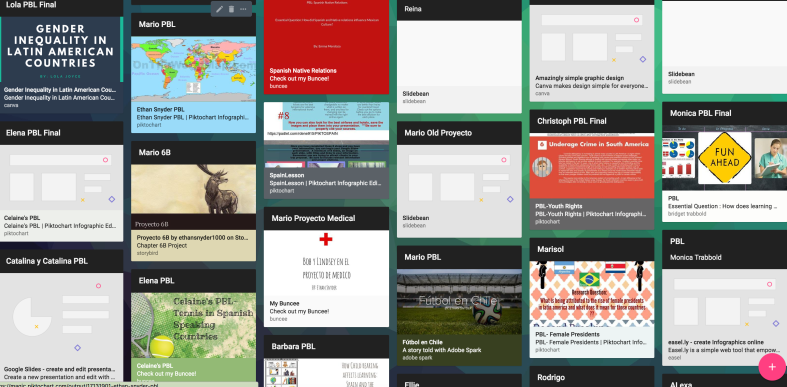
Some quick ways to get started are by having students create a collaborative Google Slides Presentation, or use another digital tool, like Buncee or even Padlet perhaps,  for students to create one slide or add some information. Encourage each student to contribute by adding in fun facts, share how they spent the summer, or the weekend,  to help each member of the class to learn about one another. I did this with my Spanish III and IV students and it was fun to learn more about each student and their summer experiences and we had some fun in the process.

A personal goal at the start of each school year is to learn about my students and help everyone start to feel comfortable in our classroom. We used some icebreaker games, a great game of Bingo, shared stories, and it definitely helps students to learn about each other and for me to learn about them.  Our classroom culture continues to develop each and with it brings new learning opportunities.

Another great way that I have found to learn about each student is through the use of project-based learning. When students have the choice to determine what it is that they want to study and can drive their own learning, we can connect more with each student and understand who they are and what their passions are for learning.  The students can learn about their peers as well as become more globally aware of what it is like to be a student in different parts of the world and to just really explore whatever it is that they want. For us as educators, it creates a way to extend our own learning and we can continue to improve and learn and grow with and from our students,  starting from the beginning of the year.


Counting the days…?

It’s back to school time! Depending on who you are, your feelings about heading back to school might differ dramatically. And I don’t just mean whether you are a parent versus a teacher, I mean even within these two groups. Among those of us in the classroom, the realization that we are headed back to school brings about a lot of different reactions. Of course there is still that perception that teachers have the best, easiest job, because we have summers off and all those holiday vacations as well, and don’t forget about the weekends. And there may even be a perception that teachers are happy when the school year ends. I have been asked many times, “How many days left until you’re off for the summer?”

I have never been one to count down the days till the end of the school year. While I am cognizant of the end of the year, I don’t, nor have I ever posted a countdown of how many days until summer vacation begins. A few years back there was a countdown board posted, but it was just for a student’s birthday. (Fun fact, she had written using a sharpie, so it kind of became a permanent birthday countdown board).

For me, I consider school to be year-round. Even though I don’t have to report to my classroom during the summer months, I am still involved in professional learning and trying to grow and learn as much as I can during that period of “free” time. I love being able to set my own schedule, in my own space, definitely perks of having the summer off. But I know that there are educators who do count the days until the end of the year, not because of excitement for a family event or vacation, or any special occasion, simply because they are done “working” for the summer.  I think that to be in education today, you really have to love what you do. You have to know your “why” behind it and you need to stay focused on what your purpose is for having chosen to be in this amazing profession.

Just like any other job, teaching has its challenging moments as well. And who hasn’t been excited about the weekend or an extended holiday break coming around? That’s natural regardless of what profession you are in. But if you are in education and you are counting down the days, you end up conveying the message to students that you cannot wait for the year to end. Why would they want to be in your class, or even be positive about being a student your class whenever you’re sending the message that you can’t wait to have a break over the summer? That may be blunt, but that’s exactly what I think of when I hear of “countdowns” in classrooms. 

I know that students may count down the days, especially seniors, until summer vacation starts. This is understandable because they have spent so much time in classrooms, sitting in uncomfortable desks for nearly eight hours a day and then going home to do even more work. And I know there’s a big controversy regarding the benefits of whether or not homework should even be given, especially when we think about the real world and the jobs that are out there, like teaching, where work does not end at the end of the “work day”. But at this point in time, I think that we need to focus on preparing students to make decisions about their future. To do this, I changed my practice of nightly homework and instead, created more ways for them to work in class and for me to work with them individually and in small groups. It is also important to stay positive about the learning experience and to do that means not counting down until the end of the school year.

Now the flip side is the back to school. Some parents are thrilled to have their children head back to school after a busy summer of family activities and hectic schedules. Some teachers are not as excited to head back to school because for them it means giving up that flexibility in the schedule where they can spend time doing what they want, learning, or just simply relaxing with family and friends.  But there are some educators who are excited about heading back to the classroom, so much in fact that they go in over the summer to prepare their classroom, to buy school supplies for their students and to really work on making it a welcoming place starting with Day one.

Now don’t get me wrong, I have enjoyed this summer, and I am somewhat sad that there are two weeks remaining before I head back to school for the year. However, once I get there, I’m happy to be there. The opportunity to work with students and my colleagues and to just have something new and exciting to learn and explore every single day inspires and motivates me. And I think if you are in the business of counting down the days until the school year ends and openly sharing how upset you are that the school year is beginning again, you might want to consider a career change.  Again, apologies for being slightly blunt.


A few weeks ago my #4OCFPLN noticed that there were tons of negative memes being placed on Twitter and social media by educators about heading back to school. So to make a difference, they began to create their own memes with positive messages and excitement for heading back into the classroom. Think about it. As an educator you have the opportunity to do something different every single day. You make the decisions, it’s your classroom, you interact with the students and your colleagues and you have the power to make it something wonderful and unique and fun. It is YOUR choice to make it amazing. If you don’t enjoy heading back into the classroom, then maybe you should think about the way that you are doing things and ask the students for some input. Don’t be afraid to mix things up a little bit. Especially if you find that teaching can be overwhelming at times or if you have been counting down at the end of the year.

Each summer I spend a lot of time traveling to conferences, reading a lot of books and trying to take care of things that I can’t get done during the school year. I do stay connected with my students over the summer, as they have some ongoing reading to do to keep up their language skills. As much as I love teaching, I definitely get used to my routine of sleeping in later or staying up late and reading, and not really having any set schedule to follow. But a lot of the time I find that I’m thinking about what I’m going to do once I get back into the classroom, how can I be better than I was last year, and what can I do differently to really make it an exciting learning experience for my students.

So if you are thrilled to be heading back to school, I think that’s awesome. Please share your positive outlook with others who may not be as excited as you. And if you are thinking about how sad you are that school is starting so quickly, think back to your previous year and some of your best interactions, or your best lessons or even your worst lessons. What made them go so well and why do you think some of them didn’t go as well? Invest some of your remaining summer “break” rethinking the lessons that didn’t go as well and make those the point that you start the new year with. Challenge yourself to do something different and something better than the year before. Maybe that will be the motivation and the catalyst that you need to build some excitement for heading back and greeting your students for the upcoming school year.

2fn33h

Welcome back to school!


Here are a few from the #4OCFPLN –

1534006495342_0994470725_6570db251534006495356_0901452263_6570db251534006495357_0184287231_6570db25


Power of a PLN

I wrote this about a month ago…time flies when you’re spending it with your PLN! #iste18 #RealEDU #USMSpark #ST4T #tlap #FETC Connecting is everything!

135692


unset

ISTE


img_20180611_2006221

Live tweeting for #tlap at Summer Spark

unset

Women in EDTech Ignites

Why you need a PLN

One of the many benefits of being part of a PLN (Personal or Professional Learning Network) is having a constant system of support. Because of my PLN, I have access to new ideas, tools, methods at any time. Being “connected” means having a personal and professional support system, whenever you need it and wherever you are. We can connect in person with colleagues at our schools or during conferences, but at times this can be difficult because of the availability of time or based on location. The solution? Technology. We can connect virtually through the numerous forms of social media and web tools that promote anytime collaborating, communicating and conferencing. We become “connected” by connecting.

Gone are the days where educators have to scour the Internet for resources, search through books, or even travel for professional learning. We don’t even have to leave our homes to participate in professional development.  (Although it is nice to get out and meet our PLN F2F). And when it comes to our teaching practice, we don’t necessarily need to create all of our own materials or wait in line at the copier. (if we are in the habit of making packets, but that is another conversation entirely #paperless).


We have access to support and thousands of resources instantly, simply by connecting through our devices and reaching out into our “network.” The power of connecting and collaborating. Sharing our own ideas and gathering new ones, building on our strengths and honing in on areas in which we need to grow. Through our PLN, we have these opportunities and whatever we need, available to us at any time. It just takes one tweet, one post, one Vox, and the connecting begins and the support is available.

This slideshow requires JavaScript.

Unexpected PLN

Sometimes we just happen to become part of a PLN, or a PLF (Personal or Professional Learning Family). The same can be said for mentoring. Sometimes we make these connections, develop relationships that grow into something powerful and life-changing, without even realizing it as it is happening. When I first heard about the “power of a PLN”, I really didn’t get it. I thought it was the same as being a “colleague” or having “work friends” as they are often called. But I have learned that I was way off about this, and I am glad to know that I was wrong (again). I have become “connected” through several PLNs, that have also somehow interconnected with one another.  It has become a super PLN, or mega PLN. And it evolved through Social Media, which I was so wrong about the value for education.


My first true PLN is referred to as the “53s”. A group that grew from a Facebook group of ISTE goers, created by Rodney Turner, that then evolved into a Voxer group. Rodney’s message was to make connections, see someone sitting alone, ask them to join in. As a group, we met face to face at ISTE 2016 in Denver. There are also a few members of this group that I met through Twitter chats and then met in person at other conferences, and had time to spend with them learning in the same physical space. We welcomed our friends into the group and continued to build a core PLN. We have come together to be the 53s, a name significant to us. A name which evolved after our initial core group grew. A group based on trust, transparency, empathy, kindness, pushback, fun and passion for education and the power of learning. And most importantly, true friendship.

These people, my friends, are my source of inspiration and the ones that I rely on heavily each day. We are a unique group that spans the United States and Canada.  I am so fortunate to be a part of a core PLN that I know will be there for me no matter what. The only thing I wish I could change is our geographical locations. We are from different states and a different country, and so time together does not happen that often. But when it does, it truly is the best time ever. #singoff #booksnaps #carpoolkaraoke.  LOVE our times at FETC, Summer Spark, ShiftinEDU and ISTE and more to come!

I am not sure where I would be without my 53s. The times we have shared are so special, and I am so thankful for this group and wish for everyone to have a core PLN like this: Evan Abramson, Jarod Bormann, Jennifer Casa-Todd, Jaime Donally, Mandy Froehlich, Tisha Richmond and Rodney Turner. Add to that our awesome Snapchat singing group which also includes Tara Martin, Andrew Easton and Mandy Taylor. They are an amazing group of educators, who would drop everything to be there to support you. I am proud and honored to call them my friends.

Another PLN: adding to the PLF

I am also fortunate to be connected with two other tremendous groups (my PLF) and cannot wait to meet more of them in person.  The #4OCFPLN and Edugladiators! Loved the adventures trying to meet up in Chicago!

 I had read the book “Four O’Clock Faculty” by Rich Czyz  and was part of a Voxer group doing a book study. Once the book study ended, many members of the group stayed connected and kept the conversation going. A group that stayed together and continued to connect and grow long after the book study had ended. We have become a real PLF and I enjoy learning new things from this group every day and knowing that they are there when I need them. “We” have had our picture taken with many authors and we have stickers and our own hashtag even #4OCFPLN. And stickers too! Shirts on the way.

4OCFPLN

There are so many great conversations, a lot of laughs and fun that happens within this group every day.  I love knowing that I can reach out to this group at any time. It is a very supportive and fun group with a lot of diverse perspectives and a bond that continues to grow and get better. Laughs, inside jokes, challenges, pushback, inspiration and amazing connections. REAL connections. We know more about each other and learn and push boundaries of learning every day.

Everybody needs to be part of a PLN. Depending on your time and what you’re looking for, there are lots of options available for making these connections fit with your schedule and based on your interests. It might be formed through Twitter and it might be through a book study or other focus group using Voxer,  or one of the other social media tools out there. It doesn’t really matter what you use, as long as you make connections that will help you to continue to grow and have the support you need when you need it. Whether it is a group you join, a chat you follow, or a mix, get out there and connect. The best is when we get to spend time together, learn from each other, share the same nervousness before giving an ignite, and knowing that there is always someone there to help you whenever you need. (ST4T Tech Fail, thank you David Lockhart and Nik!)

We are better together!

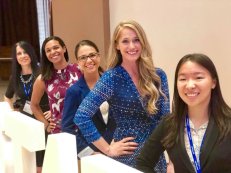
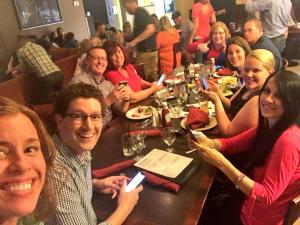
Love meeting up with my #4OCFPLN, Fellow #Edugladiators Core Warriors, Edumatch PLF, Buncee Family, Future Ready PLN, the Women in EdTech and of course, the 53s.

And a tremendous surprise having one of my students be in Chicago during ISTE. That may have been the best part! Sharing some of the awesomeness of ISTE and the people there.


The real story of being a teacher

ocean under blue sky

Photo by Artem Bali on Pexels.com

Being a teacher is easy.

It must be nice to have your summers off.

You’re so lucky, you don’t have to work on the weekends.

You have such long holiday breaks!

If you are a teacher, you likely have heard at least one of these statements before, perhaps from friends and family, or from people you just meet, that respond with similar statements when they find out that you are a teacher. Are these statements accurate? Well, I guess to an extent, but there are some ways to counter these comments.


It can be easy to be a teacher, if you love what you do, it does not feel like” work.” I enjoy  working with students, learning with and from them, and having the opportunity to start fresh each day and create experiences to engage students in learning. Having the summer off is nice too, but most teachers I know either work in the summer, attend conferences, or pursue some professional development. The “summer off” is nice for providing a more flexible schedule, and a time to reflect, explore new things and prepare for the new school year.

And as for weekends, I am fairly certain that most teachers look forward to the weekend for many reasons. Of course, time with family and time to relax are important. But it is also a time to catch up on some grading, emails, or exploring new methods to bring into the classroom. So weekends without work, I don’t think they happen too much.

And the extended holiday breaks are nice as well. But again, many teachers use this time to reflect, recharge and prepare for the return to school.

So, What is the reality?

The reality of being a teacher is that teaching today can be quite challenging. Maybe in the past, the life of the teacher was perceived to be a pretty comfortable and easy profession. The typical school day of 7:00 to 3:00 or some variation, with weekends and holidays off and of course, that summer break. With those hours and that schedule who wouldn’t want to be a teacher? From the outside looking in, it might seem like each day is the same, right? Each passing year the same as the year prior. How could it be that difficult? Once you make a worksheet or a test you have them to use forever, right?  Lesson plans are the same, projects are the same, and folders full of worksheets and activities pulled from the file cabinet, simply copy it, teach it and then move on to the next day. Same. (hopefully not).

There may be some truth to this, as I’m sure there are some teachers who are teaching the same way that they were taught and/or are using the same materials each day with each class and then doing it all over again the next year. No judgments made.

To an extent, I myself was this type of teacher for a long time. Not because I was trying to take the easy way out or save time. Rather I was using some of the methods that worked for me when I was a student. I thought this was the right way to prepare. And sometimes I used some of the same materials each year because I thought there was value to them for student learning. I know that when I was a student, some of the same issues that exist today existed then (copying homework, cheating on tests), but we didn’t have the technology, which creates tremendous learning opportunities but it also takes away some opportunities as well.

Foreign Language Teacher vs. Online Translators

I thought that being a foreign language teacher meant that I was a member of a group that had a distinct battle not experienced by any other content area.  It took some time for me to notice some bothersome trends in student work. The copying of assignments, the use of online language translators, and even copying information directly from websites. So the struggle was to find a way for students to have authentic practice that would not encourage student copying or trying to take a shortcut with learning. But each year it becomes more and more challenging to stay ahead of technology in this sense. I don’t know the answer as to how to get students to stop copying homework other than to not assign homework. And this has been a very strong discussion as to the value of homework, the type of homework, and whether or not homework should even be given at all. #ditchthehomework (follow the hashtag)


I will not make a decision either way, other than to say that for me, I do assign some “practice” tasks for the students to do, but they typically don’t come in the form of a worksheet. And sometimes when we are working in stations in class, if students do not finish something, I do ask that they work on it until complete. But I do add, “at their pace.”  Instead, I encourage students to practice the content by playing a game of review using the Quizlet cards, sharing a Quizizz game or provide prompts for writing a blog post. And these are ongoing practice tasks that are due on a weekly basis or that I have students create to use in the class. Why? Because in doing this rather than assigning the same worksheet to each student to complete,  I know that it is more authentic, will provide students with personalized practice and it is not something that can readily be copied.

But recently I was rather surprised when I saw some students switching between screens on their computer while working in their practice workbook. (As a side note, I stopped assigning practice from the workbook for homework because of copying).

I thought that by having students work on the pages in class, during stations, that I could interact more and provide more one on one feedback and  give time for students to collaborate with their peers. I did not anticipate this “new” form of copying, until one day a few weeks ago, I caught a glimpse of a student switching screens on his laptop and then writing in the workbook. The process repeated and continued for a few minutes. From across the room I had an idea of what they were doing, but I gave it some time before I walked over. Hoping that I was wrong, and that it was not the website that provides answers to so many books and workbooks. (Still cannot believe what is available).


It was exactly as I had thought, one of the students was using that website, to look up and copy the answers for the workbook. While I understand that there can be comfort in having a resource to look at, especially when a student may be struggling with a concept, it is helpful to learn that you were on the right track. But I do have a problem when the answers to all questions in every book are so easily accessible and available to students. I know when I was in school, often our math teachers would assign questions opposite to the answers that were available in the back of the book. It was nice to have an option to look at some answers to do practice problems and see if we were working on them correctly, and there were times when I did wish that all of the answers were available. But it forced us to push through the challenges and solve the problems. There were struggles in the learning but that’s how we improved and kept going forward.

Simple lesson learned. In these experiences, and on a personal basis, you cannot or should not assign students the exact same thing if you can avoid it. Especially when teaching a higher level course or one in which students have the possibility to create, rather than simply consume. We need to give them more authentic opportunities to practice what they are learning. They need to create, not consume, be active, not passive, and have the opportunity to set their learning path and be curious in their pursuit of knowledge. This is how we prepare them for the future.

DEWEY


No-tech, Low-Tech or All Tech: 5 new ideas to try


**Slightly updated from an earlier post, but some ideas to get that energy back up

Ending  the year with 5 random ideas: Going back to basics 

The end of the school year is a great time to try some new ideas. With summer approaching,  we have time to reflect on methods used this year and to seek out new ideas and tools, to come up with creative and innovative methods and ways to welcome to students back in the fall. Hopefully these new activities will help to keep students more engaged in learning.

Here are 5 ways to have students connect, collaborate and create. These are also helpful for building peer relationships and for reviewing content or assessing skills at the end of the year. These ideas can be no-tech or using something suggested by the students.

1) Random games or icebreaker style: There are tons of ways to create icebreakers, whether by using paper and pencil or even with digital tools. For example, with Buncee, Piktochart or Canva students can come up with four statements about themselves to share with classmates. These can be in the form of three truths and a lie, as a way to help students learn about their peers and for the teacher to learn about the students. It is beneficial for making connections with one another, finding things in common, but also to appreciate the different perspectives and backgrounds students bring into the classroom. It will be a great way to enhance communication and comfort in the classroom and also, if tech is used, to start teaching students alternative ways to present information.

Screen Shot 2017-12-07 at 8.37.18 PM.png

2) Categories:  Create a template with 4 or 5 different categories related to the content area and grade level being taught. After deciding on categories, select 5 or 6 letters of the alphabet, or use numbers, that students must use to come up with a word, topic or date, that ties into each category. Students can randomly be assigned to small groups and can then share what their group came up with. This activity will promote communication between peers and provide an opportunity for collaboration and some fun as well. It can also be a good way to have students review, be creative and brainstorm new ideas even. It will provide time for teachers to assess student needs and decide the next steps in the lesson, as we keep moving toward the summer break.


3) Word art: Students need different ways to practice the content and one way that helps some learners is through visual learning. Students can use vocabulary, verbs or any content material to generate word art. Students can create a word cloud using paper and marker or try using a digital tool like WordCloud, or WordItOut, or other similar word cloud generators available. After the word clouds are created, teachers can build on the learning potential by having students post their work in the classroom, having a gallery walk where other groups can discuss the terms, brainstorm new ideas, define or translate them (if a foreign language) and increase the authentic learning materials in the classroom.


4) Music: Music can really liven up the classroom and be useful for helping students remember the material. One idea is to have students create rhymes or a song using a vocabulary list, names of famous people, state or world capitals, monuments or anything related to the content area. Students can work in pairs or a small group and create a song which can be used as a mnemonic device, to help them retain the information in a more meaningful way. For presentation purposes, students can then have the choice of sharing live in class or perhaps trying a tool like Flipgrid or Recap to record and share with classmates. It can even be followed up by posting the video on a Padlet and encouraging students to comment in writing, or leave a reply on Flipgrid. These student creations will add to the authentic classroom resources and engage students more in learning.

Screen Shot 2017-10-28 at 9.04.12 PM.png

5) Creating games: Students can create a game as a way to help themselves and their peers practice the material. It can be a game made up using paper or any materials the students decide on or created using one of the digital tools available like Kahoot, Quizlet or Quizizz. Students will have a more authentic learning experience when they select the specific vocabulary they need to practice, which will will give more personalized learning opportunities.

In trying one or all of these activities, it presents an opportunity for the students to work together, to build their relationships, to collaborate and to engage in more authentic learning experiences. And it provides the teacher with an opportunity to step aside and become a facilitator, and to use the time as an opportunity to not only assess student learning but to interact more and provide feedback for students.


There are many ways to practice the content material and engage students more in learning, these are just a few of the ideas that I have tried in my classroom this school year, and they are a work in progress. Knowing that something works takes reflection and student input, and one thing I have noticed in the few short weeks we have been in school, is that students are asking more questions and thinking of new ways to extend their learning. I have more time to move around and work with every student and provide more individualized instruction and really understand each student’s progress.

They are asking, “Can we…?, What if…?, Is it okay to…?” and adding their creativity into our activities. They are also suggesting improvements, “Maybe we could…, It might be better if you…, and This has helped me to remember…can we keep doing these activities?”  And my answer to all of these has been “Yes, I think we should try it.” If it works, then great. And if not, we will try again!”


Rubicon Summit: Classroom’s Journey To Student-Led, Interactive Lessons

A Classroom’s Journey To Student-Led, Interactive Lessons

Written for the RUBICON SUMMIT

About two years ago, I found myself struggling to find ways to keep my students engaged in the lesson. I tried to get them involved more in class activities by offering more choices and providing opportunities for them to be part of the decisions made about what we were doing in the classroom. Why did I do this? Partially because I saw – and could feel – a decrease in student motivation and engagement. It was approaching the end of the school year, and the focus had shifted more to “when does summer begin?”

So I tried to do things a bit differently, think creatively, and take some risks. I wanted to keep us all moving, to finish strong at the end of the school year and begin summer vacation with a sense of accomplishment, to celebrate all that we had learned throughout the year and also what we had gained from these new experiences.

Educational Technology and Digital Tools with Purpose
Educational Technology provides so many resources that enable students to learn anywhere and at any time, and at a pace that is comfortable for each student. We can instruct from inside the traditional classroom, ​”​the brick-and-mortar​” ​as it is called, or from anywhere around the world. Using digital tools provides more differentiation and personalized learning, and provides opportunities for the students to move from consumers to creators. When students have choices in how to show what they have learned, they are more likely to be engaged and excited for learning. They will feel valued​,​ and the lesson and learning will be more meaningful because it has been made perso​n​al to them.

Creating Interactive Lessons
What did I change? I started by having my students create some interactive lessons using educational technology tools like Formative, Nearpod, and EDPuzzle, or even games with Kahoot! and Quizizz. It proved to be a very beneficial learning experience for all of us. By doing this, we had extra resources available that could be shared with students who might need some extra practice. I thought it went so well that I decided to take it a step further and start a “teacher for a day” activity during which the students create a lesson based on a grammar topic or vocabulary.

I stepped back and had the students lead our classroom. It was a really good way to learn a lot more about the students, to better understand what their needs were in terms of the content material, and for the students to learn about each other. Giving students the control and the opportunity to become the creators and leaders in the class has tremendous benefits and it has been something that we have enjoyed.

Giving Students the Control
At first when students created interactive lessons, I would launch the lesson and control it on the SmartBoard, but find ways to involve the student who created it during the presentation. I eventually decided to move aside, and took a seat in the back of the room, having the student lead the lesson, give explanations, answer questions, call upon students for answers, and provide feedback. Having the opportunity to sit back and experience this was tremendous. The students enjoyed the activity, supported each other, collaborated, and provided some positive feedback to each of their classmates. I was very impressed with how well they taught, led, and learned during each of the “teacher for a day” lessons.

Empowering Students in Learning
The use of these digital tools means ​that ​the “time and place for learning” is no​ longer​ confined to the ​traditional time and setting of the physical ​classroom​. It opens up the learning environment ​to​ anywhere​, at any time and at a pace that is comfortable for the students as well. Learning and having timely, purposeful and authentic feedback is critical ​for growth to happen. When we shift our focus to creating opportunities, giving students the control, leaving the decision making to students to choose ​how t​o show what they have learned, or ​letting them​ design their own assessments, they are more empowered in their learning.

What are the Next Steps?
Have a conversation with your students and ask for their honest feedback. What did they like? What did they not like? Which lesson or format seemed to help the most? What did it feel like to be in control, decide how to deliver the lesson, and experience being the teacher? You can have this as a face to face conversation, students can respond on paper, or use one of the many digital tools available for communication. No matter which way you choose, look to your students for the valuable feedback to decide your next steps. Be sure to ask yourself these same questions and continue to reflect on steps taken and progress made!

For more strategies about integrating technology into instruction, read Overcome

EdTech’s Problems With Blended Learning!

Practical Ways to bring SEL into the Classroom


Published on Getting Smart, 


Toward the end of the past school year, I noticed some changes in student behavior. There was a decrease in student engagement, especially while I responded to the question of a student seated close to me, students around the room became distracted or stopped listening. Trying to get the group to refocus sometimes presented a challenge and resulted in a loss of valuable instruction time. A second concern was how students had been treating one another. I overheard conversations in the hallways, witnessed unkind interactions in the classroom, or heard directly from students who sought help in dealing with different situations. There were two issues to resolve: eliminate the valuable instruction time that was being lost and help students to develop more positive, collaborative peer relationships. How could I connect students more to the content and to one another, so they could work together to foster a more positive classroom. After some brainstorming, I decided to first focus on ways to promote collaboration and to step out of my role of “leader” in the classroom by stepping aside.

The changes:

My first realization was that I needed to shift roles in my classroom. I needed to get out of the way, and students needed to do more than simply sit for the entire class. To get started, look at your own classroom. Where are you and the students spending the class period? Are you the only one speaking and moving? If so, think about how you can open up space and provide a more collaborative setting for students. Think about how you can involve the students in more “active learning” that will lead to better student engagement.

One morning, I looked at the physical space of my classroom and decided to break apart the rows of desks. By doing this, it created more flexible spaces for students to interact, to create and lead, and do more than just sit and listen. Students need opportunities to work with their peers through lessons and engage in activities where they can master the content together, and that will provide opportunities to develop their interpersonal skills, self-awareness and social awareness of others.


Making these changes can feel uncomfortable because it means going against what likely has been the traditional classroom structure. However, many teachers have moved toward flexible learning spaces, creating a more student-centered and student-driven classroom. A classroom which moves away from simply lecturing, reviewing homework, passing out materials, assigning new homework, and repeating this same routine the very next day. While this process may promote the acquisition and application of knowledge, it does not effectively promote collaboration, invite student input, nor foster development of vital SEL (social-emotional learning) skills.

CASEL (The Collaborative for Academic, Social, and Emotional Learning), formed in 1994, is an organization which actively works toward promoting the importance of developing SEL skills in education. SEL is focused on five competencies: self-awareness, self-management, social awareness,  relationship skills and responsible decision making. The development of these skills can benefit the level of student engagement as well, leading to higher academic achievement and reduce discipline issues in the classroom. To promote the development of SEL, here are some ideas and additional resources to get started.

Practical ways to promote SEL:

  • Icebreakers: I started the school year with fun icebreakers, to get to know one another and to find out what students had in common. Why? It all starts with relationships, building a connection with peers and the teacher, and using this to connect with the content area. Returning after an extended holiday break, doing even one icebreaker can be a good way to welcome students back to the classroom, to ease into the daily routine and to start the year fresh by working on relationships. Perhaps have students share what they did over break, show a picture, talk about favorite foods for holidays even, and let students make connections on their own.
  • Games and activities: Providing opportunities for students to interact through the use of games and activities in the classroom promotes the development of social-emotional learning skills. There are many online tools available to help you get started. For elementary and middle school, Centervention provides free online games, activities and printables for teaching students about SEL. Gaming helps students to learn to problem solve, collaborate, think critically, and develop empathy through scenarios within the game itself, or as a result of being part of a team. It creates a sense of community and belonging, which foster the social-emotional skills students need. Even by using Minecraft, educators have seen a connection between the benefits of gaming for learning and the development of SEL skills.
  • Learning Stations: Something that has really made a difference in my classroom has been using learning stations. I started the year with rows and decided one morning, that the rows had to go. I quickly set up clusters of desks or “stations” to accommodate three students each, with four extra desks grouped together in the center. At each station, students spend 10-14 minutes doing a hands-on activity like a worksheet, creating flashcards, watching a video, playing a game or simply coming up with their own ways to practice. Deciding upon the activities takes some planning, especially when trying this for the first time, but it is well worth it. Start by explaining the “stations”, involving students in the discussion and asking for feedback. When we explain our goals and share any fears we may have, we are modeling “self-awareness” and “self-management”. By using stations, we also have more time to interact with each student and group, work on relationships and foster a deeper understanding of the content as well as connecting with one another and creating a more positive classroom culture.

Challenges and solutions:

  • Groups: The first few class periods there were complaints. Students wanted to work with their friends and others wanted to work alone. It can be awkward if you are the only one who doesn’t find somebody to work with, but it can also be a challenge to work with a group when you may end up being the only one doing the work. Assigning random groups can help alleviate some of these uncomfortable feelings, even though in life and for the future, students may face the same challenges and uncomfortable moments, not having a choice in collaborative work. However, for the time being, the importance is to help students to develop interpersonal skills that will enable them to be successful in the future, to develop the social and emotional learning skills, especially in terms of relationships, decision-making and developing a self- awareness.
  • Timing: It can be a challenge at first to know how much time to provide for each station. I started by spending ten minutes reviewing material, asking questions, or doing an activity with the whole class, before starting stations. I tried giving 15 minutes for each, so students would work through two each day. Some students finished early and wanted to move on. To work through this, I would use the time to speak with each group or individual students, and then make adjustments during the next station rotation. There is always room to improve, but the important thing is remembering to be flexible and open to changes that will positively impact student learning and relationships.

Benefits:

  • Student engagement: Students have been more engaged in learning, and have come in to tell me how much they look forward to coming to class. Because of the different activities within the stations, students participate more because they are active and moving, and know that each station offers a new way to learn.
  • Student leaders: Students are offering to help one another, to explain concepts, and to cheer each other on. They keep each other on task and by working in these small groups, there are less distractions than working as a whole group. Each small group can ask questions, receive individualized feedback because I can freely move around the classroom and clear up any misunderstandings.
  • Teacher-student relationships: Students are getting timely, authentic and personal feedback. By using learning stations, more time is student-focused and those individual conversations can happen as needed, to help students to be successful and be more confident.
  • Student learning: In terms of academic achievement, the participation and results of recent assessments are the highest they have been. Students enjoy coming to class because they know they’re going to be leading and making decisions about their learning, in a way that is comfortable, flexible and fun.The learning experience is more authentic and meaningful for students. Research has shown the positive benefits of incorporating SEL into the curriculum.
  • Student behaviors: As for the class distractions and the negative interactions that existed before, both have decreased tremendously. It is not something that is going to change overnight but what matters is that we make constant progress. We are learning and becoming better together.

Globally Connecting Learners through Project Based Learning

Published on Getting Smart, November 15, 2017

In honor of International Education Week, we’re bringing you a series of blogs that celebrate the benefits of global competencies, international education and cultural exchanges. Stay tuned for more like this throughout the week!

Project-Based​ Learning​ (PBL)​ offers tremendous benefits for students to become engaged in more authentic and purposeful learning. Providing opportunities in which students have choices in what to explore, where to seek information, and ultimately how to share their learning, will lead to higher student engagement and more meaningful learning experiences. By giving students the chance to be curious in exploring a concept which is of personal interest, or working together to tackle a problem or engage in some challenge-based learning, we foster more student-driven classrooms and promote curiosity in learning.

As educators, we need to strive to open up opportunities for students to broaden their perspectives, to engage in collaboration with their peers, and more importantly, to become globally connected learners. PBL is a way to connect our students globally and it also addresses the 4 C’s: critical thinking, collaboration, communication, and creativity. Opportunities like this, in which students can become more independent and have choices for where their search leads them will amplify the learning potential of all students in the classroom as well as for the new connections made.

Entering my second year of project-based learning I wanted to take it to another level with my Spanish classes, after attending and presenting at EdmodoCon. I was  amazed at the power of technology to unite educators from around the world and I wanted to do more in my classroom. Learning from such diverse perspectives, and fascinated by the ability to communicate with my new colleagues, at any time from around the world further solidified my belief that this was something that must be done in my classroom. I wanted my students to have as many diverse, authentic opportunities to explore the world as they could.

Setting up a process to connect students with the world can take some time to plan as you must decide what is the best method and structure to use, but getting the connections started is really quite simple. There are many different learning communities available depending on what is used for a classroom website. I use Edmodo, but there are also professional learning communities available through ISTE or Google+. Getting started simply takes posting a message in the community and awaiting responses from other educators interested in making new connections.

Here is the process I followed to get started with my class:

Screen Shot 2017-10-28 at 9.48.24 PM.png1. Shared the idea: I told students the idea for making global connections and the “why” behind this newexperience. While doing PBL, it is essential to have the students connect with real-world experiences in authentic ways. Once I explained to my students how I had planned to do this, I then posted a message in a few of the Edmodo communities. In my message, I explained what my students would be doing, the types of topics they would be learning about and how we could collaborate.

2. Collected responses: I received several responses to my message and replied to each to gather more details about the age group of the students, the location of the classroom and options for connecting our classes.

3. Created groups on Edmodo: Once several educators were interested, I created a separate group on Edmodo and shared the join code with my students as well as the students from the other classrooms. Edmodo provides a safe place to interact to not only help students become globally connected and share their perspective, but is also an opportunity to learn and connect with other educators.

4. Got started: We started by simply making introductions and then the students started to ask questions related to their project-based learning and essential questions. The students were amazed and excited about how quickly responses were received and how willing the other students were to share information, provide resources and interact with one another. It has been tremendous to see how much the students have learned in such a short amount of time. This type of learning could not occur without technology, it provides authentic and personalized learning because the students are connecting globally and broadening their perspectives in a more engaging and personalized way.

5. Expanded the project: In order to take it even further, once the conversations and connections had been established, we wanted to interact through audio and video. Due to the difference in time zones and schedules, we needed to find a more convenient way to interact. Flipgrid presented the perfect solution for setting up an online space for students to introduce themselves, show their schools, and have some fun interacting in a moderated and safe environment. It was very exciting to receive the notifications that a new Flipgrid response had been posted, and watching it immediately in class was fantastic for the students. Students can learn by looking at pictures, reading books and watching videos but to be able to interact in this way and this quickly is truly an amazing experience. The best part was when the students were finally able to see the students they had been interacting with. We also used Padlet as another virtual space to interact through photos and conversations.

Screen Shot 2017-10-28 at 9.45.12 PM.png

Being an educator does not mean that you are an expert. We are constantly learning and should be seeking new ways to bring knowledge and different learning experiences into our classrooms. In just a few short weeks of working with these global connections and setting aside the time to open up and increase the learning potential for my students, I have learned so much. For the four teachers in our group, this is the first time that any of us are doing anything like this and we are learning and growing together. We are enjoying the experience with our students and the best part for me, is learning more about my own students through their interactions online and I believe that the students are learning more about themselves as well.

Preparing Students for Future Work: What is the Gig Economy?

Published on Getting Smart, February 3, 2018

The “gig economy” is fairly new to me, I was unaware of the terminology until recently. When I first heard “gig economy”, I could not figure out what it referred to, at least in the sense of both words used together. Separately, I can easily define “gig” and “economy.” The gig economy gets its name because each job or work assignment is similar to an individual “gig”. The gig economy was formerly known as the ‘sharing economy’, with one of the most popular examples being Airbnb. I recall first hearing “Airbnb” two years ago and not having a clue about what it meant then. I only knew that I had several friends who arranged travel as part of Airbnb.

So how does the gig economy work?

It is employment that is a temporary task, for example, delivery couriers, Uber (another term I did not understand when I first heard it three years ago), or Lyft, to name a few. A prior post in Getting Smart included some statistics related to the average income from providing these types of services. The numbers are fascinating. In 2015, 54 million people worked as freelancers earning an estimate of 17% more per hour than full-time employees. It is projected that 60% of companies plan to hire more freelancers rather than full-time employees in the future. In 2016, 35% of workers were freelancers and estimates are that by 2020, this number will increase to 43% in the United States. So it leads me to wonder: What will the number rise to in another 10 years, by the year 2030? In a quick estimate, perhaps it will rise to approximately 63% if following the previous increase as a trend.

Looking ahead, the students currently in kindergarten will be the graduating class of 2030. It seems a long way off, but we need to prepare them for their future, and if the future does involve less traditional educational paths and more “gig” jobs and freelancing, how do we start preparing them now? It is important to consider these statistics and trends when preparing your lessons each day, and it has led me to think about how I am instructing students in my class.

As a foreign language teacher, students often ask why they should learn a foreign language, or say that they won’t need a foreign language in their future. There are many benefits in learning a foreign language, but I think the gig economy presents a perfect example of how it could be of even greater benefit to students in the future. Having foreign language knowledge is a skill that can come in handy and benefit students later on in life. Some common examples that come to mind are sellers on sites like Etsy or even someone who works as an online tutor or an editor. These do not have to be full-time positions, but can be in addition to a more permanent job, and done as extra work on the side. It’s about having options available. And to best prepare students for the future of work in a gig economy, we need to give them options.

Prepping for the future

How do we prepare students for a future of freelance work or to become entrepreneurs? By offering more opportunities for them to explore and create, through opportunities to not only explore the types of jobs available but also job shadow to learn firsthand, the qualifications and skills that may be necessary.

So if this is the trend that will be coming in the future, then will schools continue to encourage students to seek a college degree, or an extended learning program or formal training? Or do students need to simply master a skill or have time to explore an interest they have, to become more marketable? Do schools have the responsibility to create different courses through which students can learn about a variety of professional options and afford time for students to explore on their own or by connecting with professionals in their community?

Many schools have started to offer more courses based on emerging trends, such as entrepreneurship, webpage design, sports and entertainment management, and other similar courses to help students develop skills necessary to create their own job opportunities. At my school, Patsy Kvortek, one of our business teachers, recognized a need for courses which would help students to develop some of these skills. She thought “we should provide students with opportunities to learn in more authentic ways that would prepare them for future success.” To do this, a few years ago she created a course in “Entrepreneurship” and  “Sports and Entertainment Management” in which students develop a wide variety of skills focused on project management, event planning and learning everything there is to know about being an entrepreneur. In her classes, students take on different roles, learn to collaborate and be part of a team that is entirely responsible for planning, organizing and executing large-scale school and community events. Some of the roles include: Project Manager, Committee Chairs, Social Media and Advertising. Students rotate through these roles so they develop the skills necessary to be successful in any of these areas in the future.

Through this course, students have developed skills to prepare them for many career options as well as better understand how to start a small business or plan major events. They also develop critical skills of communication, collaboration, problem-solving and as an added benefit, SEL (Social and Emotional Learning) skills as well. Observing the students involved in these courses has always impressed me, and seeing them come up with new products and start their own business, has shown the value behind providing these opportunities. These electives grew in popularity over the years because of the truly authentic and relevant learning experiences they provided.

Degree or no degree?

What difference does having a degree make? There are a lot of statistics that point to alternate forms of furthering one’s education, which do not involve the traditional undergraduate degree. There is more of an emphasis on building skills in diverse areas, to be flexible and explore alternate training options. There is a growing trend of students “crafting their own career” and not being dependent on an employer to do this, but rather create a professional path based more on personal interest. Several former students, ones whom I thought would pursue a college degree, instead opted to venture into unique areas of business. They have been successful and it is even more rewarding knowing they are doing what they love and control their schedules. Some of these entrepreneurial ventures include: a dog daycare, photo booth rentals, personal shopping service, resume writing, jewelry making, party planning and photography. These students chose these paths because they were able to pursue personal interests through electives, and develop skills and knowledge to get their business started. There will continue to be a demand for these services and these entrepreneurs will be in control of when, where and how often they provide these services in a gig economy.

The preparation that all students need

What are the skills that all students should develop regardless of what the future holds in terms of education? We need to help students learn how to communicate, to collaborate, to problem-solve and to find out what they are passionate about. There should be opportunities for students to engage in more real-world experiences, where they can assess needs in their community and brainstorm ways to offer services that will be beneficial for others. Project-based learning is a great way to help prepare students for working with others and to have more of an authentic and meaningful learning experience.

The Buck Institute of Education is working to develop a High-Quality Project Based Learning framework (to be published in March), with six criteria that students should experience through PBL. One of these six is “project management”. The focus of this is more on how to support students with goal setting, time management and self-assessment. These skills will prove beneficial regardless of what the future “job” may be for students.

When we support students in setting goals, learning to self-assess, engaging in more independent work and developing time management skills, we help them to develop the skills that they will need to be successful in the future regardless of what they ultimately decide to do. Whether they pursue full-time employment or explore options in a “gig economy”, they will be ready to face any challenges that arise in a constantly changing workplace.

For This Lesson, I Stepped Aside To Become A Facilitator Of Learning


Posted on TeachThought, August 29th, 2017  (Thank you Terry Heick)

It started with a cross-class collaboration idea.

I was not sure the idea would work, but was willing to give it a try and it had captured the interest of students. I connected four levels of Spanish and created a team project using Google and Padlet so students could collaborate and share their work.

The experience went so well that it led me to think about other ways to engage students more in a collaborative online learning space. Students need to be connected with authentic learning experiences and develop digital citizenship skills, and to be given choices in learning. Trying to build on the prior project collaboration, I wanted to explore possibilities of using Google slides to have students work simultaneously on a whole-class project.

I asked the students if they had done any type of collaboration online like this before, and I was surprised that they had not. Knowing this pushed me more to decide that I should definitely create this learning experience with them.

Connecting students

I decided to try something more collaborative by using Google Slides. We are a Microsoft Office school, but many students use Google Drive on their own. I also use Edmodo in my classes and like the students to have experience with different kinds of tools. I like that students can work on a document or a presentation at the same time, as this substantively changes the methods and frequency with with students share ideas.

By having students create a class presentation simultaneously, the teacher can then take that extra time to facilitate their learning and interact with students to do something more specific, like assessing their content knowledge. Giving students the opportunity to work as a team toward one whole class project rather than completing individual projects opens up new and more engaging ways for the students to learn not only content or technology skills, or even ‘soft skills’ like collaboration, but also get to know one another more as well.

Connecting students with their peers promotes a friendlier and more cohesive class culture, and I think makes learning more authentic and meaningful for students. To be able to see what they are each working on and to be part of the whole class presentation in real-time requires constant interfacing of different personalities and skill levels.

The divergent interests, backgrounds, and experiences of the students in each class are emphasized in whole-class projects like this, which both strengthens the learning experience while also being more demanding of the technology.

When doing individual projects, it’s not always the case that each student has the opportunity to see the work of the other students. Doing this can be quite time-consuming and feel ‘wasteful,’ but the long-term momentum of successful projects that are as highly-visible as a whole-class collaboration are worth the time taken, and hiccups along the way, especially early in the year.

Our Presentation

To have the students practice the new chapter material on clothing and shopping preferences, I created a Google Slides template for a Fashion Show.

I set up a presentation for each class and shared it with the students. I provided instructions for what was expected for their slide, and reminded them to only work on their slide and respect the work of the other students.

For the fashion show, they were to choose a celebrity, find a picture and write a description in Spanish of the clothing that the person was wearing. They also had to write a few statements about where the clothing could be purchased as well as the cost for the items.

In doing this I thought it would be a great reference because the students could refer back to each slide, read the descriptions, and reinforce and review their content knowledge. Plus, depending on the types of clothing pictures the students chose, it could be a lot more fun–definitely more engaging and an interesting experience for all students than individual study.

This ‘real-world topic meets real-world technology meets whole-class collaboration’ ended up being a more authentic way to practice the content than even I had hoped, increasing the language and content retention for the students as well as teaching them new technology skills.

The students really liked seeing the Fashion Show displayed on the Smartboard, which was another opportunity to reinforce the vocabulary by asking students questions about each slide, reviewing the verb forms, and more.

For the most part, they did respect the work of their classmates. A few students enjoyed adding pictures of some celebrities onto the slides of their peers, which resulted in peers responding instantly and removing them–I didn’t even have to say anything!

A risk in giving open access to the editing of the presentation ended up being worth the risk taken, and was a way to teach lessons about digital citizenship as well.

Next Time

Always thinking of the next thing, I decided that perhaps another opportunity to work collaboratively would be to create a class review presentation for final exams. This might take more planning, but I think the long-term effect will be worth it.

This approach is a great way for the students to prepare for final exams and have a reference to review the material covered in the level 1 Spanish course. The idea is that each student will be assigned a slide and given a verb or grammar topic as well as some vocabulary to include.

For their slide, the goal is to teach a mini-lesson, provide references, include a video or link to a game and some sample sentences. Though I’m taking this approach to teach a foreign language, it could be used to teach, learn, or review almost anything, from math definitions and historical trends to literacy devices, phonics, word parts, and more.

I also hope that it will end up being a good way for students to have some personal instruction as well as a choice in what they are creating–and another opportunity for students to collaborate with their peers as the teacher shifts roles from leader to facilitator of learning.

PBLTT