Bringing PBL to Every Classroom

In collaboration with iBlocks, All opinions are my own

A new school year is the perfect time to try out different methods and tools that can amplify student learning and foster the development of essential skills. Project-based learning is a method that educators should definitely try in their classrooms because of all of the benefits it offers. According to the PBL Works of the Buck Institute for Education, PBL is “a teaching method in which students learn by actively engaging in real-world and personally meaningful projects.” Different from traditional projects, PBL is an iterative process that requires reflection and continued goal-setting. It helps students to become more independent learners and to develop a greater motivation for learning.

When students engage in PBL, they begin to shift their focus from an end product of learning, to the process of learning itself. PBL is also a great option for addressing the 4 C’s of critical thinking, collaboration, communication and creativity. These are the skills that students need to be successful now and in the future.

As educators, we’ve all had our students do projects, but there is a big difference between this and PBL. Years ago, I thought that my students were doing PBL, however, they were only doing projects, in a very linear and finite learning experience. It was all about the end product and did not offer students the chance to build their skills and appreciate the process of learning itself. Different than traditional projects, authentic PBL will promote curiosity, facilitate student-driven independent learning, and enable them to develop the skills to work through and reflect on the productive struggle that can come through these learning experiences.

Finding time for PBL

PBL can be woven into our everyday curriculum. We can start small and gradually progress through a PBL experience. What we want is for the experience to be authentic, purposeful and relevant for our students. When they see the relevance and applicability of their work to the real world, it boosts their engagement and motivates them because it is more meaningful. Authentic PBL will have a positive impact on their learning experience.

We have so many different tasks in the work that we do and finding extra time can be a challenge. However, there are resources available for educators to use that make it less time-consuming and easier to bring PBL to their classrooms.

Getting started is easy with iBlocks

iBlocks provides teachers with everything they need to get started with PBL and STEM lessons in their classroom in a way that amplifies student choice and voice in learning. Teachers shift from being the sole creators of content and give students the opportunity to become leaders in the classroom and design their own learning experiences.

With iBlocks, there are so many choices available in content, especially in areas where we want students to build skills in understanding global issues, by looking at the United Nations Sustainable Development Goals. With the different iBlocks available, students engage in purposeful learning and figure out how to solve some of the challenges being faced by people in the world.

The modules are student-led and teacher guided. The focus is on students demonstrating mastery in learning as they go through the process of self-assessing, collaborating with peers, and receiving ongoing support from their teacher. As they work through the modules, their comfort and confidence builds and they become more engaged in their project.

Deciding where to begin

Think about a topic that you cover and find an iBlock to use as an enrichment opportunity or dive into bringing STEM to your classroom. Either way, iBlocks provides you with all of the content that you need to be able to effectively implement PBL and design thinking in the classroom.

Each iBlock comes with:

  • A teacher’s guide that includes everything educators need to be able to facilitate the use of iBlocks with students. It also includes what the student workbook has so that teachers have guidance and tips to use as students work through the modules.
  • Workbooks for students which provide them with a space of their own, and guides them as they work through each module of the iBlock. Giving students a space where they can identify challenges, process their thoughts, ideate solutions and then reflect is so important for their learning.
  • Assessment materials for students to gauge understanding and develop SEL as they become self-aware and work on self-management skills during their project.
  • Lesson plans that include detailed descriptions, activities for the classroom, the expected outcomes from the lesson and more.
  • A Skills Matrix, which give the structure, the goals and the outcomes. The framework that is used offers all of the skills detailed in the Matrix

It is a 10-part sequence that ends in a Capstone project, which helps students to focus on the learning process they’ve been involved in rather than one finite experience like a traditional project. There are so many different topics involved in the experiential learning for students. It will foster Innovation, creativity and curiosity from learning

iBlocks is different

For teachers who want to dive in, they can. All it takes is a quick review of the materials and you can get right away. iBlocks offers an “out-of-the-box” experience in that it simply requires taking the materials out of the box to get started in the classroom.

One of my favorite iBlocks is the Rube Goldberg machine. There are so many benefits to having resources like this because it takes away a lot of the frustration and nervousness that can come with implementing a new method or trying a new tool. Everything we need is within the iBlock! If you take a look at all of the options available a great choice is applicable to ​STEM and ​STEM- related fields, and many will spark curiosity for learning and be really authentic meaningful, and engaging ​learning experiences for students.

Embracing the risk-taking and learning journey

If you have not implemented PBL into your classroom yet, then the start of the year is the perfect time to dive in. Don’t worry about being an expert. We must be willing to try, to fail, to learn from our mistakes and to try again. It can be uncomfortable at first, but it sets a good model for our students and helps us to continue to grow in our practice.

For teachers who are considering PBL but may be a bit hesitant because it seems like involves a lot to get started, that’s where iBlocks makes a difference. With iBlocks, teachers will realize that PBL is something they can start with in their classroom without having to worry about so many variables. It is important to take time to talk about PBL with students, find out what their interests are and then dive in together in a new learning experience. It may feel like a challenge, but that is okay because the benefits are great and it will spark curiosity and creativity in learning.

About the Author

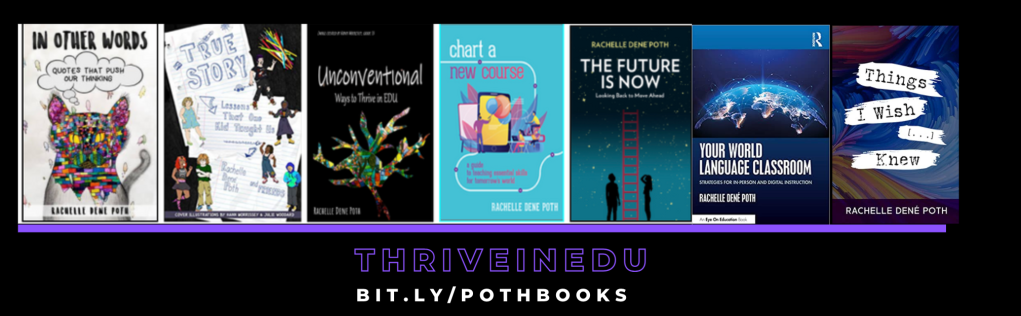
Rachelle Dené is a Spanish and STEAM Emerging Technology Teacher at Riverview Junior Senior High School in Oakmont, PA. Rachelle is also an attorney with a Juris Doctor degree from Duquesne University School of Law and a Master’s in Instructional Technology. Rachelle is an ISTE Certified Educator and serves as the past president of the ISTE Teacher Education Network. She is the author of sevens books including ‘In Other Words: Quotes That Push Our Thinking,” “Unconventional Ways to Thrive in EDU” “The Future is Now: Looking Back to Move Ahead,” “Chart A New Course: A Guide to Teaching Essential Skills for Tomorrow’s World”, “True Story: Lessons That One Kid Taught Us,” “Your World Language Classroom: Strategies for In-person and Digital Instruction” and “Things I Wish [..] Knew.” All books are available on Amazon and at Barnes and Noble.

Follow Rachelle on Twitter @Rdene915 and on Instagram @Rdene915. Rachelle has a podcast, ThriveinEDU available at https://anchor.fm/rdene915

Rachelle is available for in-person and virtual PD sessions for your school.

**Interested in writing a guest blog for my site? Would love to share your ideas! Submit your post here. Looking for a new book to read? Find these available at bit.ly/Pothbooks

************ Also check out my THRIVEinEDU Podcast Here!

Join my weekly show on Mondays and Fridays at 6pm or 6:30 pm ET THRIVEinEDU on Facebook. Join the group here

Strengthening teacher collaboration and raising student achievement

A recent post for NEO LMS

As we all know, teacher collaboration has always been an essential part of our practice. However, collaboration has become even more essential during the past two school years as we faced new challenges. In transitioning learning environments, we had to stay flexible in our practice and open to new possibilities. For professional development, in the absence of being together in the physical space, we had to explore and learn what worked the best. 

Leveraging the right digital tools and spaces, we were able to keep the learning going and continue to build our professional learning communities. 

There is tremendous power in collaboration, especially when it comes to preparing our students with essential skills for the future. For teachers, collaboration means that we can continue to grow professionally, become better each day and also have the support that we need when we need it.

Benefits of teacher collaboration 

Collaborating with other teachers does not just impact our growth; it also leads to more benefits and potential growth for our students. We often hear about the importance of building meaningful relationships, but teaching can become an isolating profession as we know and may have experienced. Because of this, it’s important that teachers have a community where they can work together in the same school or school district, or even on a global scale. With so much technology available today, there are many different ways to do this. 

Over the past two years, we’ve all seen and experienced the benefits of being a connected educator and how collaboration makes a difference in our practice, helps us stay relevant and current with teaching methods and digital tools, and provides us with the feedback we need to grow. We know that we have to make it a priority so that we can provide the best learning experiences for our students. If teachers can select somebody to work with, aimed at a certain goal, share responsibility for creating a lesson or take turns observing one another, it can provide a lot of benefits for everyone involved, including:

Boosting student achievement

Research shows that teacher collaboration helps to raise student achievement. When teachers have more conversations focused on the content area, it helps provide more for students. So, we must build relationships and learn about our colleagues in order to understand our strengths and areas of need. The more resources we have and the more we can rely on one another, the better.

Continuous professional development

Additionally, professional development can be done by choice through teacher collaboration. We all need a way to continue learning. We need a support system in place that we can bounce ideas off of, provide us with feedback to help us grow, and provide our students with engaging learning opportunities for interdisciplinary collaboration. 

Modeling desired behaviors for students

We should model collaboration for our students in our classroom because we know it is a skill they will need in the future. Through collaborating, we learn about our colleagues, understand their challenges and offer solutions, and build relationships that benefit our students and us. We can connect in different ways that also help us to build our skills, encourage us to take new risks, and benefit our own SEL skills, which are equally as important.

More opportunities for learning on the job

When we collaborate, we have a better view and understanding of what learning looks like in other classrooms. We can communicate about the methods that we are using and which ones are working and how it is helping our students to achieve more. Through collaboration,  we build our own comfort and confidence by having a network to learn from which adds accountability to the work that we’re doing. 


Where to begin with teacher collaboration?

Start by finding some colleagues to collaborate with.  What happens is that you end up becoming a mentor to one another and share a safe space with what has often been called a “critical friend.” We all need feedback to grow and through collaboration, we promote the giving and receiving of feedback as we work together toward a common goal, to solve a problem, or figure out new methods to use in our classes. 

In the absence of being together in the same physical space, finding a tool or tools that we can rely on whether it’s social media, a voice message, jumping on a quick video call, or having a collaborative space and posting a question, there are tons of options. Just find something that will work for both of you that is accessible and that will enable you to grow as an educator.

How to strengthen teacher collaboration in schools? 

There is always so much happening during the school day that there can be challenges in finding the time to collaborate. Having options set up, especially with the technology tools that are available, helps us to facilitate collaboration in ways that were not available before. 

For example, some schools may have Professional Learning Communities (PLCs) with special time set aside during the day for teachers to engage in a learning experience to build skills in a certain area, plan curriculum, or even do something like a book study and increase their awareness about a topic of interest. 

Here are more ideas to help you find the time for teacher collaboration:

  1. Having various meeting options. Since meeting during the school day or after school can be a challenge, relying on tools like Google Meet, Microsoft Teams or Zoom helps to facilitate the collaboration in real-time. Even teaching next door to someone doesn’t mean that you’re guaranteed to have time to have a conversation let alone collaborate. Using some of these tools opens up more opportunities that meet people’s different schedules and gives them an opportunity to really focus on the art of collaboration.
  2. Use messaging tools. Using voice tools like Voxer, or messaging tools like Slack or even Microsoft Teams are great options for collaboration. Teachers can form small groups, ask questions, share resources and create a space for professional learning and networking to happen. However, using your learning platform is also a great way for teachers to share materials and be part of a community space. Read more: 4 Ways to promote collaboration in digital spaces
  3. Social network communities. When we look at social media options, teachers can join groups on Facebook and LinkedIn or communities on Twitter. Finding a group to collaborate with is much easier today with so many ways to facilitate the exchange of ideas and more importantly, the building of relationships. You can even use a hashtag on Twitter to search for content or seek educators to set up a collaboration. Any of these options would make a positive impact on educators when it comes to collaboration. There are times we get stuck and wish we could just reach out and ask somebody for help. We can also use different digital tools as ways to collaborate asynchronously with a lot of additional options. 
  4. Collaborative spaces. We use a Google Jamboard, create a Padlet or start a Wakelet collection. These are available for everyone to contribute to and the best thing about some of these options is that you can include audio or video. Another tool that’s great for giving feedback and responding is using Mote. Having a few quick options like these to post in a space at your convenience makes a huge difference. Read more: How LMS groups enable student collaboration for better learning outcomes

Teacher collaboration equals outstanding results

“It takes collaboration across a community to develop better skills for better lives.” Jose Angel Gurria

When teachers collaborate and model that for their students, they see the benefits of working together on group projects or on cross-curricular lessons. Collaboration is essential and it helps us when we can share the work that we are doing in our classrooms, which I refer to as “sharing our teacher talent.” When we have time or space set aside to work with the same grade level or content area teachers, it brings so many more opportunities for our students. 

Rachelle Dene Poth

Rachelle Dene Poth

Rachelle Dené Poth is a Foreign Language and STEAM Teacher at Riverview Junior/Senior High in Oakmont, PA. She is also an Attorney, Edtech Consultant, Keynote Speaker and the Author of seven books about education and edtech. Follow her on Twitter and Instagram at @rdene915

**Interested in writing a guest blog for my site? Would love to share your ideas! Submit your post here. Looking for a new book to read? Find these available at bit.ly/Pothbooks

************ Also check out my THRIVEinEDU Podcast Here!

Join my weekly show on Mondays and Fridays at 6pm or 6:30 pm ET THRIVEinEDU on Facebook. Join the group here

Encourage Learning Over the Summer with Buncee & PebbleGo Create

Even though the summer means a break from school and the regular routines that we’ve grown accustomed to throughout the year, it is an opportunity where we can take advantage of a different kind of learning. There are opportunities everywhere for learning something new and this is something that I often tell my students. I am always excited to learn from students and focus on what I can learn new each day.

Over the summer, hopefully, students are spending more time outside, getting to reconnect with family and friends, getting involved in work, helping others through volunteer work, or maybe just taking a break and traveling. Students could come up with a bucket list of what they’d like to do over the summer.

In each of these, there are opportunities for students to take a close look at the world around them and become curious about learning. Students can connect with things that are happening in the real world. With the resources available through Pebble Go and using Pebble Go Create, students and teachers can have a lot of fun exploring, creating, and sharing what they have done and learned during their summer.

Finding the right prompt

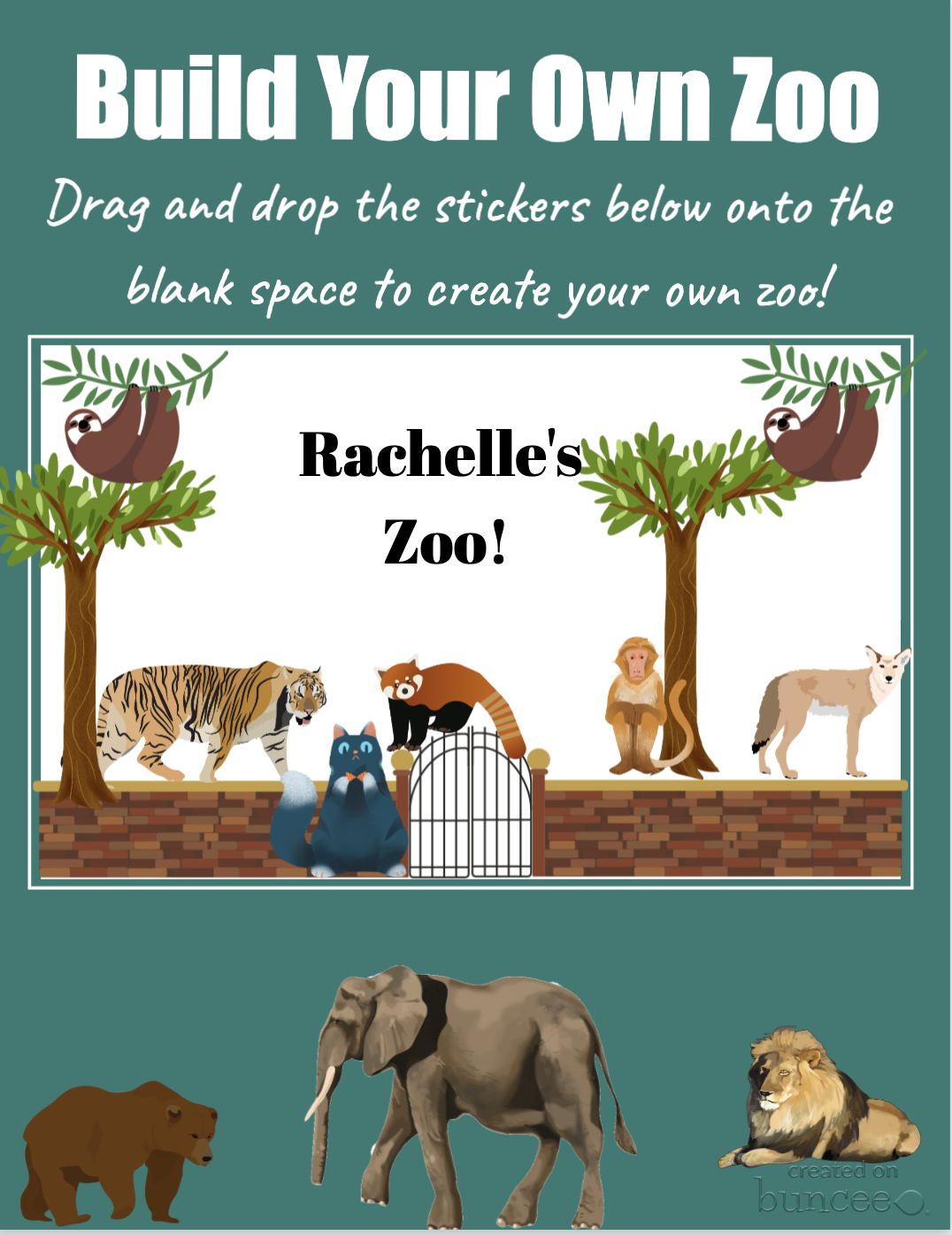
Sometimes it’s hard to ask students how their summer was because we don’t always know what they are experiencing when they’re not with us in our classrooms. But, if we give them a couple of topics to choose from, maybe to learn about different animals they see in the summer using PebbleGo’s research articles, talk about some new friendships or relationships that they’ve built, and share activities that they’ve engaged in whether through camps or other activities, they can each find something to share!

Use my template!

Also in the summer, we have a little bit more time available so we can participate in new experiences that perhaps during the school year we didn’t have enough time for. When it comes to learning, it’s important that we share what we have learned with others so that they can learn from us too!

What I love about Capstone Publishing and PebbleGo, and of course, PebbleGo Create is that students have so many ways to share what they are learning, and experiencing, what they are excited about, and so much more! We spark curiosity and creativity in learning and also help to build confidence in learning!

Some schools may even give students assignments over the summer just to keep them thinking about things. Maybe it’s reading a book, maybe it’s looking at things related to science and exploring nature, or participating in different activities that are sports-related or wellness related. Create a fun scavenger hunt for students to participate in! There are templates ready to use and adapt to your own content or ideas!

We can also help students to develop student agency in learning by exploring a topic of interest kind of like a genius hour or project-based learning (PBL) and giving students a chance to really dive into something that they’re curious and excited for. When they are invested and can choose what and how to create something using PebbleGo Create to share with their classmates and their teachers when they return to school, what a difference it makes! Whatever it is, PebbleGo Create enables students to share what they know in a way that is personalized to them because they have so many choices available. They can share what they did, why they decided to do a certain activity or explore a different animal, or maybe why they engaged in an activity like volunteer work or whatever it is.

Benefits

Learning is fun and it doesn’t always have to involve a ton of work. We want students to be open to the possibilities, to look around them in their space and their community, and to connect with the world at large because that is what will best prepare them for the future. So when we think about encouraging learning over the summer, maybe it’s not so much about tying it to the content that they’re learning but giving them some possibilities to explore and letting them choose which one is of most interest. And then, if we are in our classrooms and have the same students or a mix of groups, it gives us an opportunity to then begin the year by building relationships and gaining and gathering new knowledge from our classmates.

Getting Started with Creating and Summer Learning

To get started, it always helps when there are templates and formats available so here are a few ideas to kick it off. Look no further than the inspiring books and themes brought up through Capstone Publishing and Pebble Go.

Have students that love animals? Encourage them to learn about animals they see in the summer or read a book about animals and create something to share their learning!

Are students feeling like they missed out on opportunities to connect with friends? Maybe they can talk about ways that they make time for friends, some of the ways of building relationships, and maybe even the challenges of relationships when it comes to things like peer pressure and bullying. There are books to explore relationships, making friends, and how they work through any challenges they encounter.

Also if they’re in the summer with more time available, students might take advantage of volunteer opportunities, working at a summer camp with younger children, helping out at a local community center, or maybe being involved in something at the school. Many schools offer some of the programs for students that might be for enrichment or might just be simply helping out with the school and the maintenance and the cleaning and all of those things that go into making the school a safe and welcoming place in the new school year,

No matter what the prompt, there are books, templates, and more to spark curiosity and creativity in learning and in sharing that learning. Get started today!

Meet the Author

Rachelle Dené Poth is an ed-tech consultant, presenter, attorney, author, and teacher. Rachelle teaches Spanish and STEAM: What’s nExT in Emerging Technology at Riverview Junior-Senior High School in Oakmont, PA. Rachelle has a Juris Doctor degree from Duquesne University School of Law and a Master’s in Instructional Technology. She is a Consultant and Speaker, owner of ThriveinEDU LLC Consulting. She is an ISTE Certified Educator and currently serves as the past -president of the ISTE Teacher Education Network and on the Leadership team of the Mobile Learning Network. At ISTE19, she received the Making IT Happen Award and a Presidential Gold Award for volunteer service to education. She is also a Buncee Ambassador, Nearpod PioNear, and Microsoft Innovative Educator Expert.

Rachelle is the author of seven books and is a blogger for Getting Smart, Defined Learning, and NEO LMS. Follow Rachelle on Twitter @Rdene915 and Instagram @Rdene915. Rachelle has a podcast, ThriveinEDU https://anchor.fm/rdene915.

**Interested in writing a guest blog for my site? Would love to share your ideas! Submit your post here. Looking for a new book to read? Find these available at bit.ly/Pothbooks

************ Also check out my THRIVEinEDU Podcast Here!

Join my weekly show on Mondays and Fridays at 6pm or 6:30 pm ET THRIVEinEDU on Facebook. Join the group here

Consistency and Reliability are Essential

In collaboration with @Pikmykid

May is Mental Health Awareness Month, a time when there is a heightened focus on the importance of mental health and wellness and on finding methods or resources to help those who need them. As educators, our mental health and wellness are essential because of their impact on the work we do as educators. We interact with our students, our colleagues, students’ families, and other members of our school community. We take on a lot and it can become overwhelming at times. We’ve all experienced a lot over the past two years as we’ve dealt with COVID and new challenges in our daily work, which can and has led to teacher burnout and frustration. To provide the best for our students, we need to focus on our own well-being and be a source of support for others because of a great deal of responsibility we bear as educators. Our well-being impacts the students in our classrooms and in our schools, our colleagues, and those that we lead and learn with. Dealing with challenges can weigh heavy on us emotionally, mentally, and physically. As this school year winds down, it is important that we all take time to rest and to reflect on what we have been through not just this year but in the past two years since the school closures in March of 2020.

Now is the time to reflect on the progress we’ve made and the ways that we innovated and embraced new ideas that led to improvements in the way we provide for our students and their families. Changes we implemented and risks we took led to benefits that we may not have foreseen. Feeling overwhelmed with so much to balance weighs heavily on us all and when we take a risk with a new idea or make a slight change, it can have a powerful impact on teachers and members of the school community. With teacher burnout and families feeling overwhelmed due to worrying about student safety and changes in school schedules, planning for events happening in our schools, a focus on mental health and wellness especially as we wind down the school year is important.

Finding consistency and reliability

It’s no surprise that teachers have a lot of tasks that they must do each day in addition to teaching the content. The clerical tasks that go along with teaching such as school dismissals, announcements, and keeping parents informed of changes in schedules are just a few of the many tasks taken on by teachers each day. There is stress involved in these tasks that impact teacher and parent wellbeing. For teachers, trying to manage a teaching schedule while worrying about student safety when it comes to dismissal, communicating with and reassuring parents when picking up their child from school, keeping them informed of any changes, and providing that information in real-time is a lot. For teachers, being able to save valuable time by having a solution that enables them to spend more time with students learning, and building relationships, while also having the comfort in knowing when a parent is arriving to pick up their child, makes a big difference and helps to relieve any stress and frustration that can come with what may seem to be a simple activity or school routine. But in reality, it can become a time-consuming and stressful process.

What can we do?

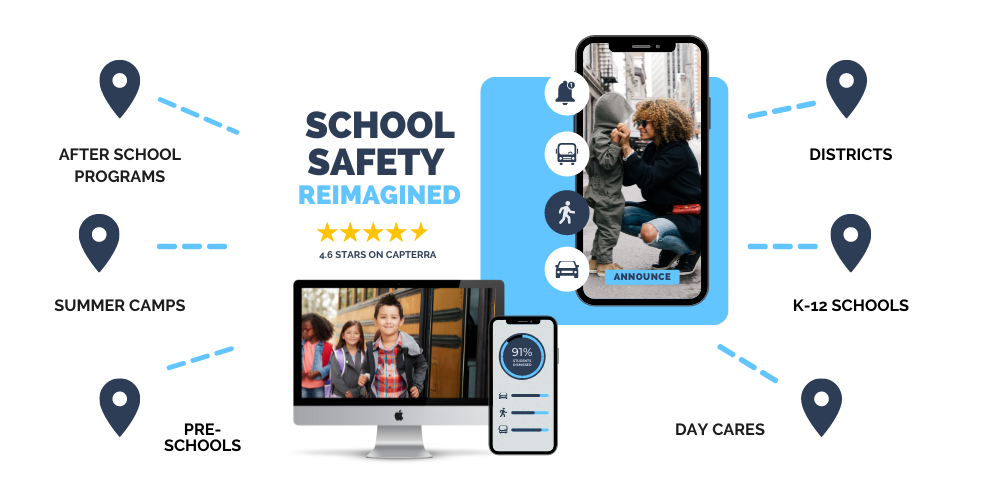
There are solutions available and sometimes it comes down to one simple method or tool that facilitates many tasks and helps to alleviate the stress that can result from the time-consuming or challenging tasks faced in schools today. Innovation enables us to bring about impactful changes to the work we do, not just in our schools and for our students, but for the families and the school community too. With a school safety and dismissal platform like Pikmykid, schools get to not only eliminate the stress everyone normally feels, but they get to focus on what really matters, learning in a safe environment. Since Pikmykid helps to speed up the car line and gets rid of unnecessary steps in the process, teachers and office staff gain more time in their day. Without frustrating miscommunications from dismissal changes, having to run back and forth between classrooms, and experiencing loud megaphones or walkie-talkies, the everyday occurrence of dismissal can become a completely different experience for them. They get to spend less time using outdated processes and more time doing what they love, helping students succeed. And since Pikmykid is all about involving the whole community to make school safer, the built-in safety protocols help schools make that happen seamlessly.

With the safety and emergency tools in their back pocket (aka their phone), parents and staff can gain peace of mind with better communication when incidents do happen. With less traffic overall in front of the school, the whole community benefits from the prevention of car accidents and frustrated drivers. Implementing this kind of technology can make a significant impact leading to safer schools and a more positive learning process.

Mental health can impact our lives in many different ways. It can result in emotional, mental, and physical effects which is why it’s essential to find solutions that take little time but that lead to many benefits. When it comes to school, there are a lot of concerns that we need to consider, and having a way to provide reassurance and focus on safety, will help to alleviate those concerns for parents, teachers, and schools.

Rachelle Dené Poth is a Foreign Language and STEAM Emerging Technology Educator at Riverview High School in Oakmont, PA. She is also an Attorney, Edtech Consultant, Speaker and the Author of seven books about education and edtech. Follow her on Twitter and Instagram at @rdene915

*Interested in writing a guest blog for my site? Would love to share your ideas! Submit your post here. Looking for a new book to read? Find these available at bit.ly/Pothbooks

************ Also check out my THRIVEinEDU Podcast Here!

Join my weekly show on Mondays and Fridays at 6pm or 6:30 pm ET THRIVEinEDU on Facebook. Join the group here

Celebrating Librarians

April is School Library Month and it brings an opportunity to highlight the work done and the impact made by librarians and media specialists. It is also a time when we can help students to build their media literacy skills. First sponsored in 1958 by the American Library Association (ALA), it originally got its start after the creation of the National Book Committee, a non-profit organization in 1954. After some concerns were raised about the amount of reading and research being done by students, they kicked off the First National Library Week in 1958 which had a theme of “Wake Up and Read.” There are several days that highlight the work of the librarians.

National Library Workers Day

National Library Outreach Day

Take Action for Libraries Day.

“Connect With Your Library” is the theme for National Library Week which will be held from April 3-9. The purpose is to highlight libraries and how important it is for people to continue to build their literacy skills especially when it comes to changing technologies and access to more information than ever before. The American Library Association (ALA) wants to promote the idea that “libraries are places to get connected to technology by using broadband, computers, and other resources. Libraries also offer opportunities to connect with media, programs, ideas, and classes—in addition to books.”

Another recognition is World Book Day which is celebrated on April 23rd this year. The United Nations Educational, Scientific, and Cultural Organization (UNESCO) proposed the creation of World Book Day as a way to celebrate reading and the joy that comes from reading. More than 100 countries celebrate this every year; after first being established on April 23rd, 1995.

In our schools: Recognizing the importance of libraries for learning

It is important to take time to recognize all that our libraries provide in our communities and our schools and the difference that librarians make a difference in libraries every day. As a child and even in high school, I always enjoyed going to the library to do research, to look through all of the books, to explore old newspapers. Whether at school or at our public library, we all relied on the help of the librarian for many things. Whether to find books, to learn how to use some of the machines to access older periodicals, to correctly prepare a bibliography or to read to use, they provided so much for students and teachers.

The work done by librarians and media specialists is essential and in schools, these educators take on many different roles. They lead book chats, they help students to develop research skills, they promote digital citizenship especially when it comes to accessing and evaluating the information that they receive.

Celebrating Librarians and Libraries with Capstone and PebbleGo

In recognition of these important events, there are many different activities that students can engage in depending on grade level and content area. For students that need to do research, making a connection with their school librarian and learning about all the resources that are available to them. In upper grades, perhaps exploring and making a case for having librarians available at all schools because of their impact on student learning and being available to help students to build skills in this highly digital world full of information. Via Capstone, “School librarians achieve better educational outcomes. In fact, 34 statewide studies confirm links between strong school libraries and student achievement.”

Capstone posted a great quote by author Neil Gaiman which said, “Google can bring you back, you know, a hundred thousand answers. A librarian can bring you back the right one.” But more importantly, librarians teach students how to discover and discern credible information for themselves.

Looking at the resources available through Capstone, librarians can make recommendations for books for students to read and help to guide them as they create a representation of what they have read. Leveraging Capstone and PebbleGo Create, students and educators can join in this month-long recognition of books and reading and boost creativity!

PebbleGo Create is a great way to share learning and bring it to life. There are so many templates and backgrounds that represent a library and a media center, that students can really find something to create that is authentic and meaningful and would be a wonderful way to recognize the work done by librarians in our school.

Seven Ideas to Join in the Celebration!!

Here are some ideas for having students join in the celebration of librarians and libraries. Using Buncee, students can record audio or videos to share how librarians have made an impact on their learning process and then post them on a Buncee Board or send their creations directly to their librarian!

  • Interview a librarian: a great way to learn about all of the impactful work that librarians do in our schools
  • Design a library: Create a new library space and add your favorite books to the shelves
  • World Book Day: Students can share what they learned in their book, design a new book cover, or write a book review. Choose from the amazing titles in the Capstone Library which promotes student choice and voice in learning and gives them a way to highlight their creativity.
  • Publish a library newsletter: Create a newsletter to inform classmates and the school community about resources available in the library and also to highlight the librarian!
  • Curate a group of books: Interview your librarian to get book recommendations and then create a virtual bookshelf!
  • Launch a campaign for librarians: Create a flyer about why we need libraries and librarians. Include some quotes from students or teachers about the impact librarians have.
  • Lessons from the Library: Create a reflection on what you’ve learned during your time in the library and how the librarian has helped you during the year.

Want to get started with some fun designs? Check out the “School Library Month” and “Library Week” Buncee templates here, If you want to find more, simply go to the search and look for relevant words such as “books,” “reading,” “library” or choose from some of the awesome ideas in the Ideas Lab!

Head to Capstone and check out these blogs: Reading is for everyone and school librarians curate book collections that both reflect their communities and expose students to ideas and experiences beyond their own neighborhoods.

Capstone loves librarians! Learn more about their resources here!

Meet the Author

Rachelle Dené Poth is an ed-tech consultant, presenter, attorney, author, and teacher. Rachelle teaches Spanish and STEAM: What’s nExT in Emerging Technology at Riverview Junior-Senior High School in Oakmont, PA. Rachelle has a Juris Doctor degree from Duquesne University School of Law and a Master’s in Instructional Technology. She is a Consultant and Speaker, and owner of ThriveinEDU LLC Consulting. She is an ISTE Certified Educator and currently serves as the past -president of the ISTE Teacher Education Network and on the Leadership team of the Mobile Learning Network. At ISTE19, she received the Making IT Happen Award and a Presidential Gold Award for volunteer service to education. She is also a Buncee Ambassador, Nearpod PioNear, and Microsoft Innovative Educator Expert.

Rachelle is the author of seven books and is a blogger for Getting Smart, Defined Learning, and NEO LMS. Follow Rachelle on Twitter @Rdene915 and Instagram @Rdene915. Rachelle has a podcast, ThriveinEDU https://anchor.fm/rdene915.

**Interested in writing a guest blog for my site? Would love to share your ideas! Submit your post here. Looking for a new book to read? Find these available at bit.ly/Pothbooks

************ Also check out my THRIVEinEDU Podcast Here!

Join my weekly show on Mondays and Fridays at 6pm or 6:30 pm ET THRIVEinEDU on Facebook. Join the group here

Celebrate Women’s History Month with Buncee & Capstone!

Buncee March

March is Women’s History Month and throughout the month we take time to recognize and celebrate women who have made contributions to the world. The month-long celebration grew out of what started as a week-long celebration held and organized by a school district in California in 1978. Students at the school participated in a “real woman” essay contest. The event drew a lot of attention which inspired more school districts and organizations across the United States to participate. In 1980, President Jimmy Carter issued a presidential proclamation that declared the week of March 8th as Women’s History Week.

Six years later, the event became a month-long celebration in March after the National Women’s History project petitioned Congress to make the change. In March, we also celebrate International Women’s Day which first took place on March 8, 1911. Many countries participate by having celebrations and engaging in activities to recognize the contributions of women. Each year a theme is chosen for the month. This year, the theme is “Women providing healing, promoting hope.” It is focused more on recognizing how women from around the world and from different cultures have impacted society and supported others.

To help our students become more aware of these important events and to broaden their cultural awareness, it is important that we find resources that will help students to explore in authentic and meaningful ways. Once students have time to explore and learn, they need opportunities to create and share that learning with classmates and even beyond their school community. Buncee and PebbleGo Create make this possible because together they provide the right resources to create a meaningful and engaging learning experience for students.

Choosing a focus

To help students learn more about impactful women from history, teachers can get started by exploring some of the templates available and lessons from the Ideas Lab. Depending on the grade level or specific content area, there are a lot of options to choose from. Students can start with one of the templates available for Women’s History Month or start from a blank template to create something more authentic and personalized to their specific interests and needs.

For younger students using PebbleGo, they can choose from the resources to search biographies about women history makers. They can then design a Buncee to visualize and share their learning. Teachers can get started quickly with PebbleGo because it provides lesson plans and all of the materials that teachers need, which makes it a great choice.

Learning together.

Having students share their creations and learn from their classmates builds social awareness and understanding of different perspectives. To enhance learning and encourage students to share their work and build essential SEL skills, we can use a Buncee Board. A Buncee Board promotes collaboration in a digital space, helping students to develop many of the essential skills for the future and also to feel connected, especially if we are in virtual learning environments. Buncee boards can even be shared with other classrooms!

Check out some of the great examples for Women’s History Month in this Buncee Board.

Buncee Board of templates for Women’s History Month

Provide them with opportunities to share their ideas, engage in inquiry based learning, and explore different resources as they build their self- and social-awareness. By sharing their work with others, they focus on building social awareness and relationship skills during the learning process and develop a greater cultural understanding of others and their experiences. With Buncee, we have more choices available that will engage students in meaningful learning during Women’s History Month.

There are many templates and wonderful activities that you can do using Buncee and PebbleGo in your classroom. Perhaps have students select a woman from history to research and to create their own Buncee to share what they have learned about this woman.

.

Students could even decide to interview someone about the work that they’re doing, a person that inspired them, it could be a family member, someone from their community, a business owner, anybody and they could use all of the features to share what they learned about that person in a Buncee. Being able to talk about what they learned using all of the graphics and media options available within Buncee would enable them to create something truly authentic and meaningful. And the best part is that students will be able to create something that is purposeful and will help others to learn about and honor influential women from history.

More ideas

Create a timeline and consider specific events that change history, for example in 1920 when women gained the right to vote.

Create a Buncee with a famous quote from a woman and express how students interpret it and share information about the woman who is known for it.

Explain an experiment, a process, a complex idea and find innovators and inventors throughout history who are known for work in this area!

Research writers or artists and create a Buncee to share information about them and create a work of art or a poem in their style.

Explore careers and women who are known for their work in these areas. Maybe a Buncee job shadow or career exploration would be a great idea!

Whether students choose to focus on a particular area, perhaps someone that made an impact in the medical field, in science, in history, in the arts, in sports, in any area of interest, promotes student choice and voice in learning. Connecting their own interests with learning about a person who made a difference in that area, will boost engagement and foster creativity in learning.

Rachelle Dené

Rachelle Dené Poth is an ed-tech consultant, presenter, attorney, author, and teacher. Rachelle teaches Spanish and STEAM: What’s nExT in Emerging Technology at Riverview Junior-Senior High School in Oakmont, PA. Rachelle has a Juris Doctor degree from Duquesne University School of Law and a Master’s in Instructional Technology. She is a Consultant and Speaker, owner of ThriveinEDU LLC Consulting. She is an ISTE Certified Educator and currently serves as the past -president of the ISTE Teacher Education Network and on the Leadership team of the Mobile Learning Network. At ISTE19, she received the Making IT Happen Award and a Presidential Gold Award for volunteer service to education. She is also a Buncee Ambassador, Nearpod PioNear, and Microsoft Innovative Educator Expert.

Rachelle is the author of seven books and is a blogger for Getting Smart, Defined Learning, and NEO LMS.

Follow Rachelle on Twitter @Rdene915 and Instagram @Rdene915. Rachelle has a podcast, ThriveinEDU https://anchor.fm/rdene915.

Buncee to join in the Hour of Code!

Using Buncee in the Hour of Code! Buncee is a great option to get students involved in the “Hour of Code” which takes place annually during “Computer Science Education Week.” CS Edweek recognizes the birthday of computing pioneer, Admiral Grace Murray Hopper. There are a lot of activities and events lined up for all grade levels and content areas for this year’s celebration which takes place from December 6-12. In my STEAM course, we join in throughout the week and students have an opportunity to explore coding on their own. Buncee offers some great ways to teach students about coding and provides ready-to-use materials for every classroom! Buncee has been a favorite of my students for many years!

The great thing is that you don’t have to be a STEAM or technology teacher to bring coding into the classroom or participate in the Hour of Code. Everyone can get involved and that is the goal for the week: to show that anyone can code and highlight how vital computer science knowledge is for today’s students. Data available on Code.Org provides statistics which support the growing need for students to have opportunities to learn about and develop skills in coding and computer science.

Since first participating in the Hour of Code in December of 2018, I’ve tried to include more activities and bring in more resources for my students throughout the year. There are a lot of options out there to choose from and during the Hour of Code, students from more than 180 countries participate in the activities that are available.

Explore the Hour of Code Templates!

When it comes to coding, students don’t have to design computer programs. coding is about learning or designing the steps in the process. Using Buncee, students can learn about coding and create something wonderful using one of the many ready-to-use templates available! Check out all of the choices in templates here. Simply choose one and make it your own! Great way for students to explore coding!

Get started with students in any grade level and let them choose what to explore for the Hour of Code. Students in grades 2 through 5 will enjoy these options and can then create a Buncee to share what they learned and have fun while creating and adding in animations, text and even recording a short video or audio to talk about what they learned!

Use Buncee to provide choices for what students might want to explore or create with coding. Check out this great Hour of Code choice board for use with middle school students!

Offer some options and include different media from the extensive Buncee media palette, and see what students create. Have them design a newsletter about coding, create a poster about the benefits of learning to code, or share a reflection on their experience with using one of the coding programs from the choice board! Each option promotes student choice and voice and gives students the chance to explore and create something that meets their interests and needs.

Here is another great choice board for students in grades 9 and up! For older students, have them select something from the choice board, and then they can design something to share what they have learned whether it is a short presentation, something visual with audio or video included so that they can talk about what they learned or created, and then have all students place their Buncees on a Buncee board to learn from one another.

These activities are perfect for not just learning about coding and the benefits of coding, but for giving students choices and helping them to develop essential SEL skills in learning. As they explore coding, they develop self-awareness and become confident in their coding skills. They make decisions about what to learn and decide what to create. Students build relationships while working with classmates and learning from one another. And these activities in new areas like coding will promote the development of their self management skills as they set goals for learning and work through any stress that may come with some of the challenges encountered depending on how they engage in the coding activities.

And it keeps getting better! There are so many great possibilities for using Buncee in the classroom and students can find exactly what they’re looking for. There are always new animations, emojis, stickers, 3D objects and more that it really does make creating a lot of fun.

Buncee is that we can use it for a variety of learning environments, whether in-person, hybrid or fully virtual. Join in the Hour of Code today, create with Buncee and get prepared to learn a lot from your students!

Author

Rachelle Dené Poth is an edtech consultant, presenter, attorney, author, and teacher. Rachelle teaches Spanish and STEAM: What’s nExT in Emerging Technology at Riverview Junior Senior High School in Oakmont, PA. Rachelle has a Juris Doctor degree from Duquesne University School of Law and a Master’s in Instructional Technology. She is a Consultant and Speaker, owner of ThriveinEDU LLC Consulting. She is an ISTE Certified Educator and currently serves as the past -president of the ISTE Teacher Education Network and on the Leadership team of the Mobile Learning Network. At ISTE19, she received the Making IT Happen Award and a Presidential Gold Award for volunteer service to education. She is also a Buncee Ambassador, Nearpod PioNear and Microsoft Innovative Educator Expert.

Rachelle is the author of seven books, “In Other Words: Quotes That Push Our Thinking,” “Unconventional Ways to Thrive in EDU” (EduMatch) and “The Future is Now: Looking Back to Move Ahead,” Rachelle Dene’s latest book is with ISTE “Chart A New Course: A Guide to Teaching Essential Skills for Tomorrow’s World.” True Story: Lessons That One Kid Taught Us, Your World Language Classroom: Strategies for In-Person and Digital Instruction and Things I Wish […] Knew.

Rachelle is a blogger for Getting Smart, Defined Learning, District Administration, and NEO LMS.

Follow Rachelle on Twitter @Rdene915 and on Instagram @Rdene915. Rachelle has a podcast, ThriveinEDU https://anchor.fm/rdene915.

Poth: Building Digital Citizenship Skills with Book Creator

Sponsored post. All opinions are my own.

Each October, educators and students have opportunities to participate in events focused on digital citizenship. This year “digcit week” will be held from October 18-22. Learning about digital citizenship is important not only during October, but should be something that we focus on throughout the entire year. With such an increase in the use of technology, especially during the past school year, educators need to intentionally create opportunities for students to build digital citizenship skills in our classrooms by exploring the digital tools and learning experiences that we can provide with them.

Book Creator for DigCit!

Using Book Creator, we can create opportunities for students to become more digitally aware and literate and to be responsible in using and creating with technology. Helping students to learn to safely navigate through what has become a highly digital world is something that we are all responsible for. Students need to learn how to collaborate online, to access and share information, to create and manage accounts and protect their personal information, which are essential elements of digital citizenship.

With so many students interacting and having access to social media and digital tools, they need to develop the right skills to navigate in these spaces and be prepared to deal with any challenges or barriers that may arise. When students have the chance to collaborate and create a book together, there are many benefits. Some of the positive outcomes include building essential SEL skills like strengthening relationships, becoming more self-aware and developing a greater understanding of diverse perspectives and backgrounds.

Ideas for a digital citizenship book with Book Creator

  • Creating passwords and Internet safety
  • Using social media and responsible posting
  • Cyberbullying and how to respond
  • Finding balance on social media platforms and with technology
  • Communicating and collaborating in the online space
  • Create a book about an experience related to the theme of digital citizenship or one of the focus areas.

Getting started with Book Creator is easy!

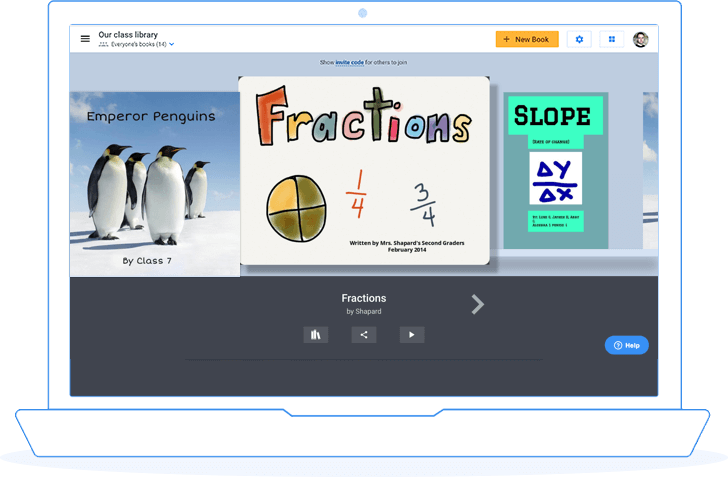
Book Creator now has three books available to help educators get started with activities and experiences focused on digital citizenship. In June of this year, the new books were created in collaboration with Common Sense Education and are available for use in classrooms with students ages 5 through 11. In addition to using these books, Book Creator is a great choice for having students create their own books to share what they are learning about being a responsible digital citizen. Students are able to collaborate with their classmates in the digital space and learn how to post responsibly, access and use information, and build their own digital citizenship skills during the process.

Book Creator promotes more authentic and meaningful learning that helps students to build content knowledge and the essential skills they need now and for the future. All books can include audio, images, text, and video. Why not have students select a relevant topic or one of the nine elements of digital citizenship, to create a book to share with others in their school community or with global connections?

Templates!

The Book Creator team worked with the Hillsborough County Public School district in Florida to design special events for their entire district. Using the Digital Citizenship Week curriculum from Common Sense Education, they created templates to use for activities which will be part of a competition. There are many important topics to choose from including: Choosing the right words, avoiding drama in the online space, social presence on the social media platforms, this is also great for educators. There are options available to use with students in grades K through 12 as well as for teachers. Everyone can use their templates which makes it easy to get started today with some digcit activities using Book Creator!

Having access to great topics and ready-to-use templates saves a ton of time! All you need to do is add the books to your library and with the “remix” feature, students and educators can really make the books their own.

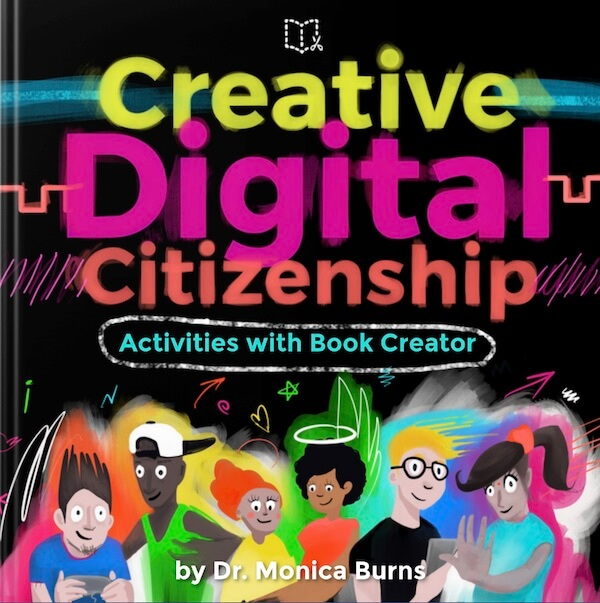
Also check out the book by Dr. Monica Burns which is based on the 6 themes of the Digital Citizenship curriculum from Common Sense Education.

Join some of the events happening during #digcitweek through Common Sense Education and @BookCreatorApp. Be sure to sign up for some of the upcoming Book Creator webinars to learn more!

About the author

Rachelle Dené is a Spanish and STEAM: What’s nExT in Emerging Technology Teacher at Riverview High School in Oakmont, PA. Rachelle is also an attorney with a Juris Doctor degree from Duquesne University School of Law and a Master’s in Instructional Technology. Rachelle is an ISTE Certified Educator and serves as the past president of the ISTE Teacher Education Network. She was named one of 30 K-12 IT Influencers to follow in 2021.

She is the author of six books including ‘In Other Words: Quotes That Push Our Thinking,” “Unconventional Ways to Thrive in EDU” “The Future is Now: Looking Back to Move Ahead,” “Chart A New Course: A Guide to Teaching Essential Skills for Tomorrow’s World, “True Story: Lessons That One Kid Taught Us” and her newest book “Your World Language Classroom: Strategies for In-person and Digital Instruction” is now available.

Follow Rachelle on Twitter @Rdene915 and on Instagram @Rdene915. Rachelle has a podcast, ThriveinEDU available at https://anchor.fm/rdene915

**Interested in writing a guest blog for my site? Would love to share your ideas! Submit your post here. Looking for a new book to read? Find these available at bit.ly/Pothbooks

************ Also check out my THRIVEinEDU Podcast Here!

Join my weekly show on Mondays and Fridays at 5pm EST THRIVEinEDU on Facebook. Join the group here

Tract for Authentic Project-based Learning!

Tract for Authentic Project-based Learning! 

To create authentic and meaningful learning experiences for our students, we need to provide choices in learning. With the power of choice, students will engage more in learning while also developing essential social-emotional learning (SEL) skills that will best prepare them for the future. Project based learning (PBL) is a great way to do this. A method that works well for any grade level and content area and that provides many benefits beyond learning the content area, is project-based learning. 

Authentic PBL has been a great way to promote student choice as they explore areas of interest, brainstorm ways to solve a problem, or look for challenges that are impacting their community or the world. PBL promotes student-centered learning which empowers students to develop critical thinking and problem solving skills, fosters creativity, time management, and leadership skills to name a few. When I first got started in my own classroom, I took time to learn about the elements of authentic project-based learning and the benefits for students before diving into it with my students. PBL has become a very popular topic of discussion, especially in the past school year as we have looked for new methods and tools to provide for our students that will amplify their learning potential. I have recommended that educators use PBL especially when having to transition between in-person and virtual learning environments.

Why Tract is perfect for PBL and more!

At the end of the past school year, I found Tract. If you’re looking to try out a new platform and get started with PBL, then Tract is definitely the way to go. In project based learning, students drive their learning experiences based on inquiry or trying to identify a problem happening in their community or globally, or they choose to explore an area of interest or curiosity. As they work through their research, they develop solutions, and may find additional challenges, which helps them to develop their problem solving and critical thinking skills. In PBL, students explore topics that are meaningful to them which then leads to greater student engagement and content retention.

Tract is a great space that provides teachers with what they need to get started with PBL in their classroom in a way that amplifies student choice and voice in learning.

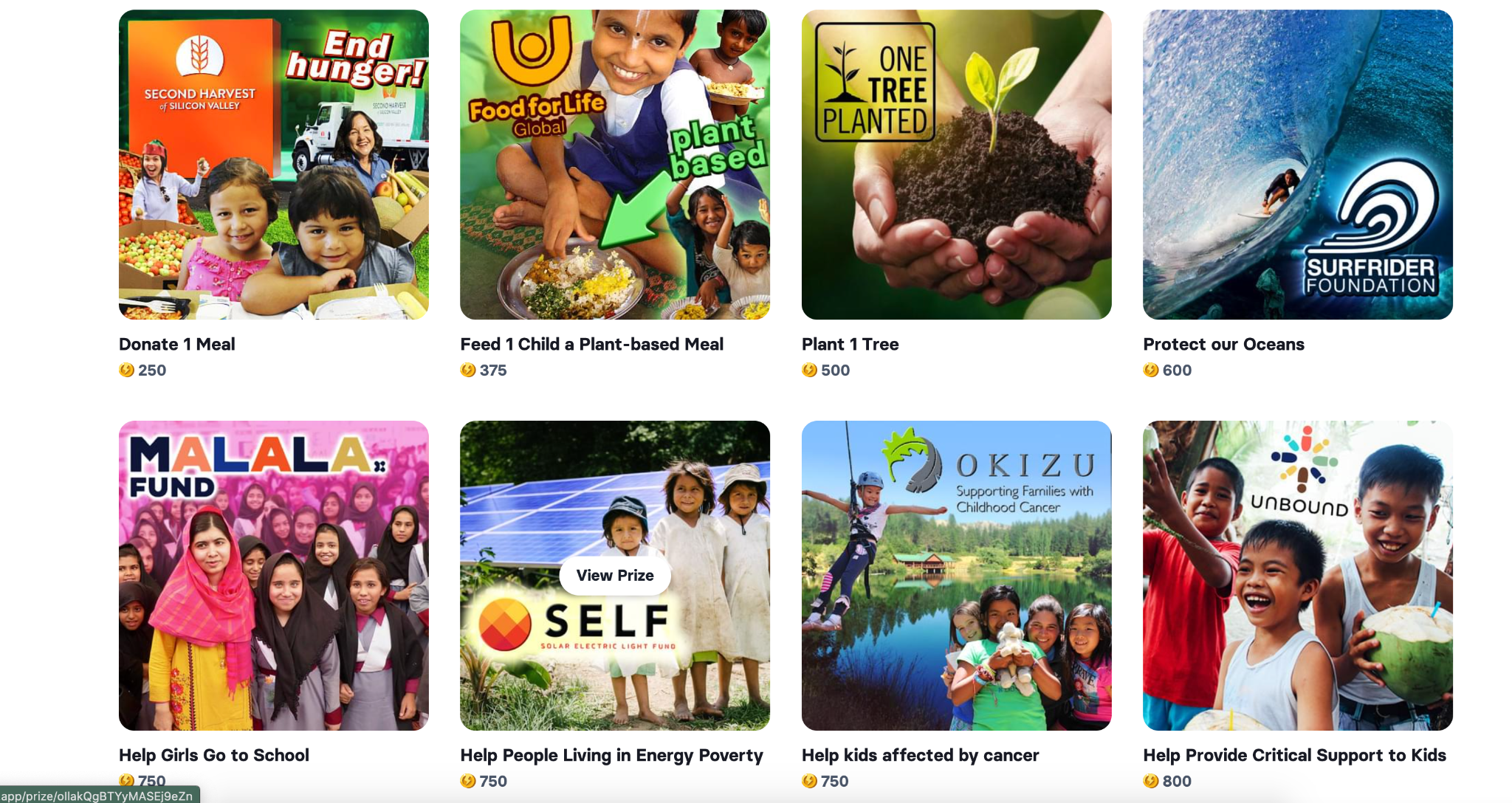
Looking through the platform, you will learn that Tract is a web-based application, which means that teachers can access it from any device. Students become the creators and through Tract they have a space to share what they are learning. Throughout the process, they have fun with the gamification aspect of Tract by earning coins and giving awards through the Tract platform. Most of the awards available are digital and are things that will benefit others.

Beyond the classroom

Besides using Tract for project-based learning, it is a great option to use as an extra activity for students to explore on their own or for a school club. It would also work well for doing genius hour with your students.

Why Tract is different 

Unlike other platforms, students are in the lead and determine their path and pace.. Students can dive in and take classes that are already made and taught by students or they can choose to become the creators and design their own classes for other students to take. Teachers shift from being the sole creators of content and give students the opportunity to become leaders in the classroom and design their own learning experiences and even better, to share those experiences with others. Students can start with the 7-mission, self-directed learning path and will soon be creating and presenting their own  video lessons. What I really like about each class that is available is that it gives the overview and some guiding questions, it tells you what the subject or relevant areas are and the difficulty level is included. It also tells you a little bit of information about the creator so that you know their background and experiences and when you click on the about me it also links to other classes available from this same creator. Each class has missions to work on and as students complete it then they move on to the next mission.

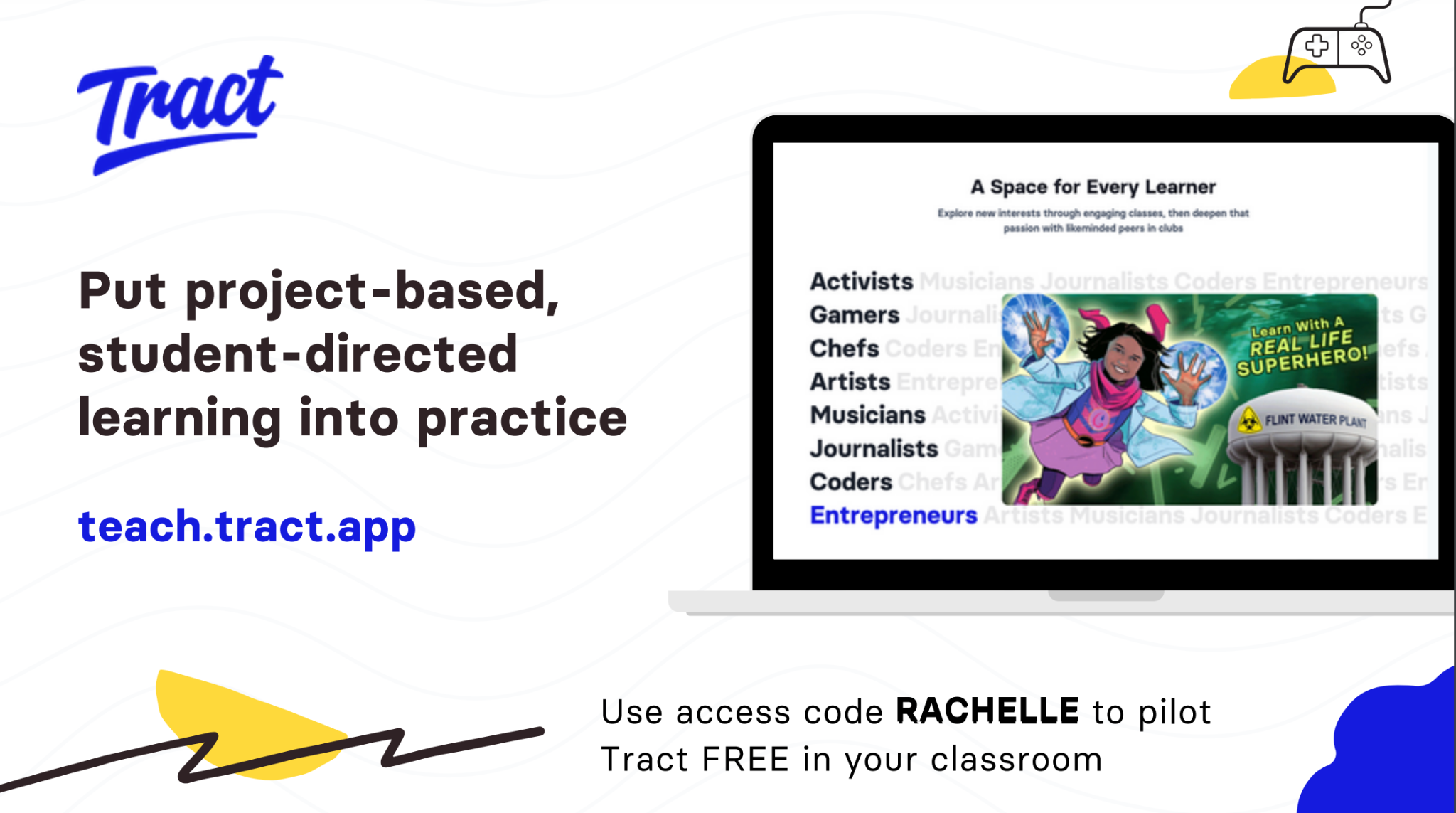
To get started you can use my access code RACHELLE to try out the platform. Be sure to look at some of the many examples available and the different topics available for students to choose from.

Rachelle Dené is a Spanish and STEAM: What’s nExT in Emerging Technology Teacher at Riverview High School in Oakmont, PA. Rachelle is also an attorney with a Juris Doctor degree from Duquesne University School of Law and a Master’s in Instructional Technology. Rachelle is an ISTE Certified Educator and serves as the past president of the ISTE Teacher Education Network.   She was recently named one of 30 K-12 IT Influencers to follow in 2021.

She is the author of six books including n Other Words: Quotes That Push Our Thinking, Unconventional Ways to Thrive in EDU, The Future is Now: Looking Back to Move Ahead, Chart A New Course: A Guide to Teaching Essential Skills for Tomorrow’s World, True Story: Lessons That One Kid Taught Us and her newest book Your World Language Classroom: Strategies for In-Person and Digital Instruction is  now available. 

Follow Rachelle on Twitter @Rdene915 and on Instagram @Rdene915. Rachelle has a podcast, ThriveinEDU available at https://anchor.fm/rdene915

Klassboard: School Management App

In Collaboration with Klassly

Over the past year, we have learned a lot about the importance of communication. Being able to connect not only with our students and our colleagues, but also to be able to provide essential information to families is critical. We need to have a reliable way to communicate last minute changes in schedules or inform about events happening in our communities. Being able to provide all this information and manage it within one space is essential. While many educators and schools may have been using a variety of tools, we’ve learned that it’s really important to streamline these communications to provide more consistent and reliable information in one space. Leveraging a platform where all stakeholders can interact, and access information and have support is key to avoiding the overwhelm that can come with the use of multiple tools.

Klassly is the parent-teacher communication app that can be used on any electronic device. It is easy to navigate Klassly and find the information you need when you need it because of the platform design. Klassboard is a dashboard for school leaders that is available as a web app. Klassly offers a centralized space for the exchange of information and for carrying out the essential daily tasks that educators and administrators need. There is greater consistency in communication between home and school which promotes more family engagement in the school experience.

For classroom teachers and families, The Klassly App, enhances the possibilities for more frequent communication about important issues including student attendance, upcoming events and the student learning experience and makes it easier to create a strong support system for students where families and teachers work together with ease.

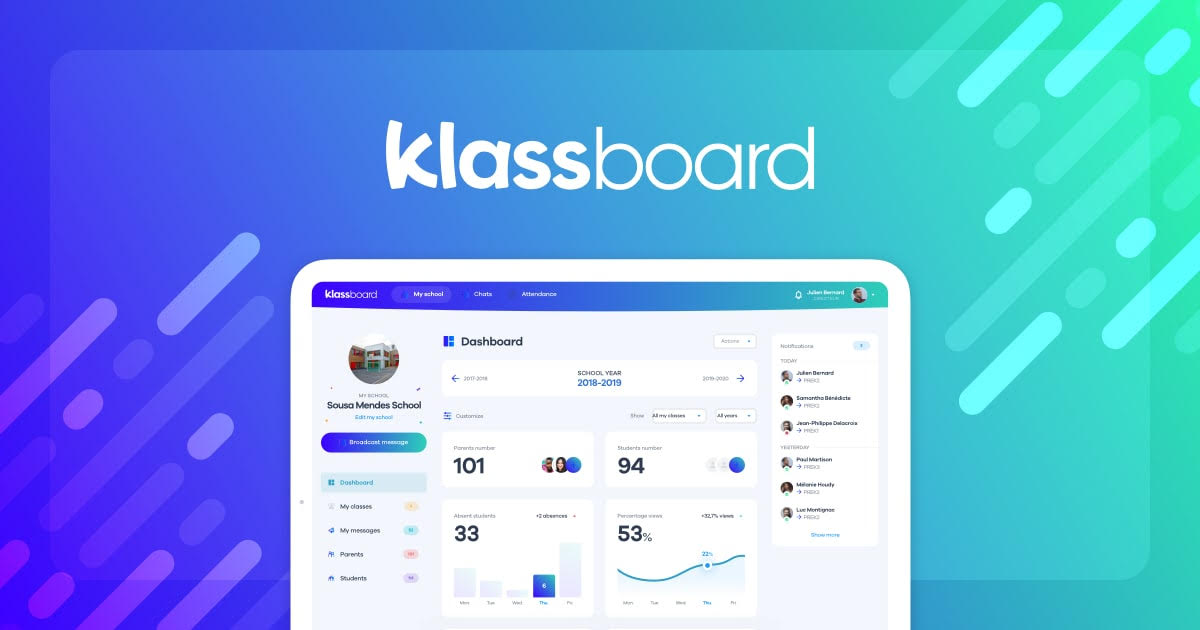
For school leaders, Klassboard provides school administrators, principals, district leaders or any school leader with access to relevant data such as student attendance and the reach and deliverability of messages sent to parents. With Klassboard, school principals or superintendents can easily communicate with teachers and families which promotes smooth school-family communication. Klassboard facilitates the access and management, organization and guidance of the school community with a simple and free tool.

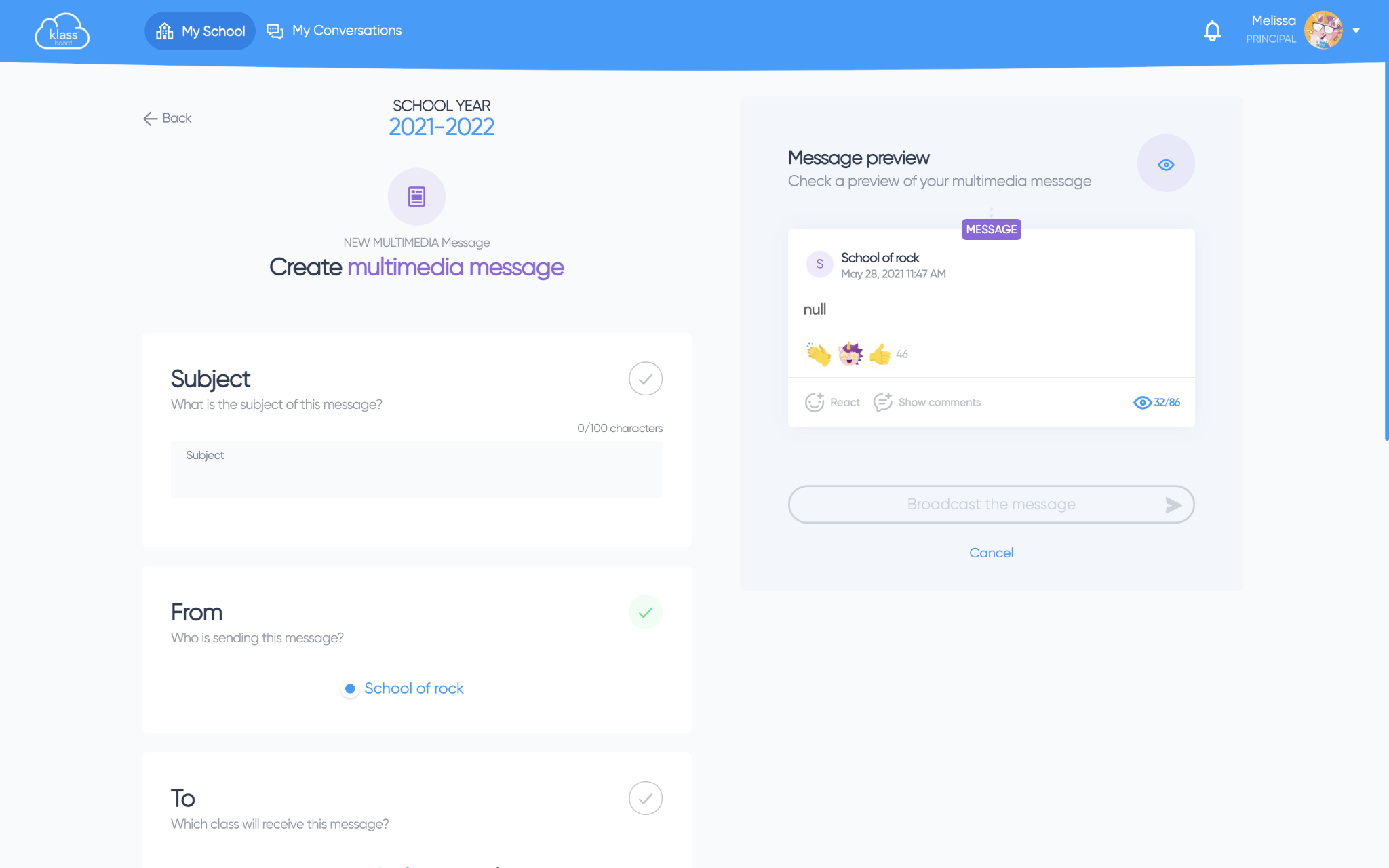
As we have all experienced this school year, being able to communicate in real-time and share resources is critical. With Klassboard, multimedia messages can easily be sent to the entire school community instantly, which helps to foster a strong and vital partnership between school, families and educators. Messages can include audio and video, documents, polls and essential information about school events. Leaders can broadcast messages as posts on the timeline of each Klassly class or as a push notification that appears on the mobile device of all school parents and family members who have the klassly app. It’s the most efficient option for real-time communications.

Klassboard makes it easy to communicate directly with teachers and families. It is easier to manage the communication that is being sent out to the school community and access centralized attendance reports. Principals can attach each teacher’s Klassly classes and then manage all communications within one place. Using Multicast, messages can be distributed to all parents of students. Quickly broadcast messages to all Klassly classes instantly, or send to a specific class or students’ families. In addition to scheduling messages, an SMS can be sent in the event of any emergencies, and notifications are received to inform administrators that the messages have been received by parents. You can schedule the time at which messages will appear on teachers’ and families’ apps, request they sign your message to prove they took note of it, or even allow a private reply that only you as the Klassboard manager will see.

Members can comment and react if this is allowed in their Klassly class on the message that appears in the timeline.

On their personal dashboard gathering all their classes, administrators can check the reports and look at the statistics related to student attendance, absences or late arrivals to school. The dashboard makes it easy to collect valuable information about the impact of your messages

Klassroom complies with GDPR and FERPA. All information is private and never transferred to any third parties. It is easy to get started; you simply go to Klassboard.com and create an account. Once you enter your school information you can then add the classes of your school for each of the teachers and link them to their Klassly timeline with their secret passcode (the class key) and then, manage the school all within one space.

When it comes to communication tools, choosing something comprehensive is essential to providing consistent and reliable information to families. We need to streamline the overwhelm that comes with the use of multiple apps and tools that are being used and instead, leverage all of the capabilities that can easily be done using one tool, Klassroom.

With Klassly, teachers have the power of a messaging app, calendar, event planner and more all within one safe and user-friendly platform.

With Klassboard, schools can better support parents, families and student learning. Having a district-wide communication platform establishes consistency and enables teachers and parents to communicate through messaging instantly, privately, and as often as needed.

About the Author:

Rachelle Dene is a Spanish and STEAM: What’s nExT in Emerging Technology Teacher at Riverview High School in Oakmont, PA. Rachelle is also an attorney with a Juris Doctor degree from Duquesne University School of Law and a Master’s in Instructional Technology. Rachelle is an ISTE Certified Educator and serves as the past president of the ISTE Teacher Education Network. She was recently named one of 30 K-12 IT Influencers to follow in 2021.

She is the author of five books including ‘In Other Words: Quotes That Push Our Thinking,” “Unconventional Ways to Thrive in EDU” “The Future is Now: Looking Back to Move Ahead,” “Chart A New Course: A Guide to Teaching Essential Skills for Tomorrow’s World and her newest book “True Story: Lessons That One Kid Taught Us” is now available. All books available on Amazon and Barnes and Noble, or directly from Rachelle.

Follow Rachelle on Twitter @Rdene915 and on Instagram @Rdene915. Rachelle has a podcast, ThriveinEDU available at https://anchor.fm/rdene915

**Interested in writing a guest blog for my site? Would love to share your ideas! Submit your post here. Looking for a new book to read? Find these available at bit.ly/Pothbooks

************ Also check out my THRIVEinEDU Podcast Here!

Join my weekly show on Mondays and Fridays at 5pm EST THRIVEinEDU on Facebook. Join the group here