
As educators, it is important that we find ways to provide more personalized learning experiences to meet the individual needs of our students. What this means is that beyond simply offering more choices in the types of assessments we offer students, we must do more by learning to understand the specific learning styles and interests of each of our students. We must differentiate our instruction and to do so requires that we develop a clear picture and gain a deeper understanding of the various learning styles of the students in our classrooms. When we do this, we can then design lessons that are focused on the specific student learning styles and offer more individualized choices for students. Whether that offers more options to work independently or in groups based on a specific topic, an area of interest or even based on the level of understanding of the content, we serve them best by having the right resources available for them.
Each of our students have specific needs and preferences for how they learn and we do the best for them when we help them to identify these preferences and then offer a variety of materials and resources for them to explore. It is not about always using a digital tool or shifting away from traditional methods, but rather being able to determine which of these options will work best for each of our students. It also means helping students to become more self-aware of their own interests. One change that has helped me to better identify these styles and guide students in my classroom is by using the station rotation model.
Through the use of stations, I am able to provide multiple activities that enable students to interact with the content in a variety of ways. There are tech and no-tech options, student and teacher-created materials, hands-on activities to choose from, and times where students decide on a focus for their group. By providing a variety of learning options for each student, giving them all the opportunity to explore, we empower students with more meaningful and personalized learning that will lead to more student engagement and content retention.
Learning Styles: The VARK Model
In 1987, Neil Fleming designed what has become known as the VARK model. Fleming developed this model as a way to help students learn more about their individual learning preferences. The VARK learning styles include: visual, auditory, read/write, and kinesthetic.
Personally, I have always been more of a visual and somewhat kinesthetic or “hands-on” learner. At varying points throughout my life, I can recall taking a test and being able to see specific notes that I had written in my notebook, but still being unable to respond to questions. I tended to create graphic organizers and had my system for making more visual connections with the content. Many of my students are visual learners and over the past two years, have often noticed that they have specific ways of processing the information in class as well as how they prepare and respond during assessments. We must be able to provide different options for our students where they can choose a format that will best suit their interests and needs in more authentic and personalized ways.
Visual Learners
Visual learners are more likely to use charts, icons, images and are able to more easily visualize information and as a result, can retain it longer. An estimate is that visual learners make up approximately 65% of the population, and remember 75% of what they read or see. Visuals learners prefer to do projects and presentations that involve creating visualizations of their learning. For visual learners, some good options include creating infographics, using Augmented and Virtual reality for creating immersive experiences, designing 3D objects, sketchnoting, or using digital tools such as Padlet or Wakelet to curate content in ways that promote better visualization of content. Visual learners would also benefit by creating a mindmap or making flashcards, which can also be done using a digital tool like Quizlet.
Auditory Learners
Auditory learners listen carefully and often focus on the tone or the rate of speech, and may also benefit more by having supplemental resources made available to them such as videos or audio recordings. Learners of this type can recall information such as song lyrics and conversations, and can often recreate a story more easily because of that auditory connection they have. There are many options to engage auditory learners more by selecting options that promote listening and speaking skills. Some ideas include using video response or podcasting tools to have students explain concepts or brainstorm ideas. Another option is by creating a more interactive presentation using a tool such as Voice Thread, students will connect with the sounds, dialogue, and tone used in a presentation such as this, where they can listen and respond. Another idea is to use Flipgrid to post a question and have students also respond to classmates to further the discussion and promote higher-order thinking. Try using Synth to create a podcast for students to have the active listening component addressed, and invite students to listen and respond to the prompts by adding a thread to the podcast.
Read/Write Learners
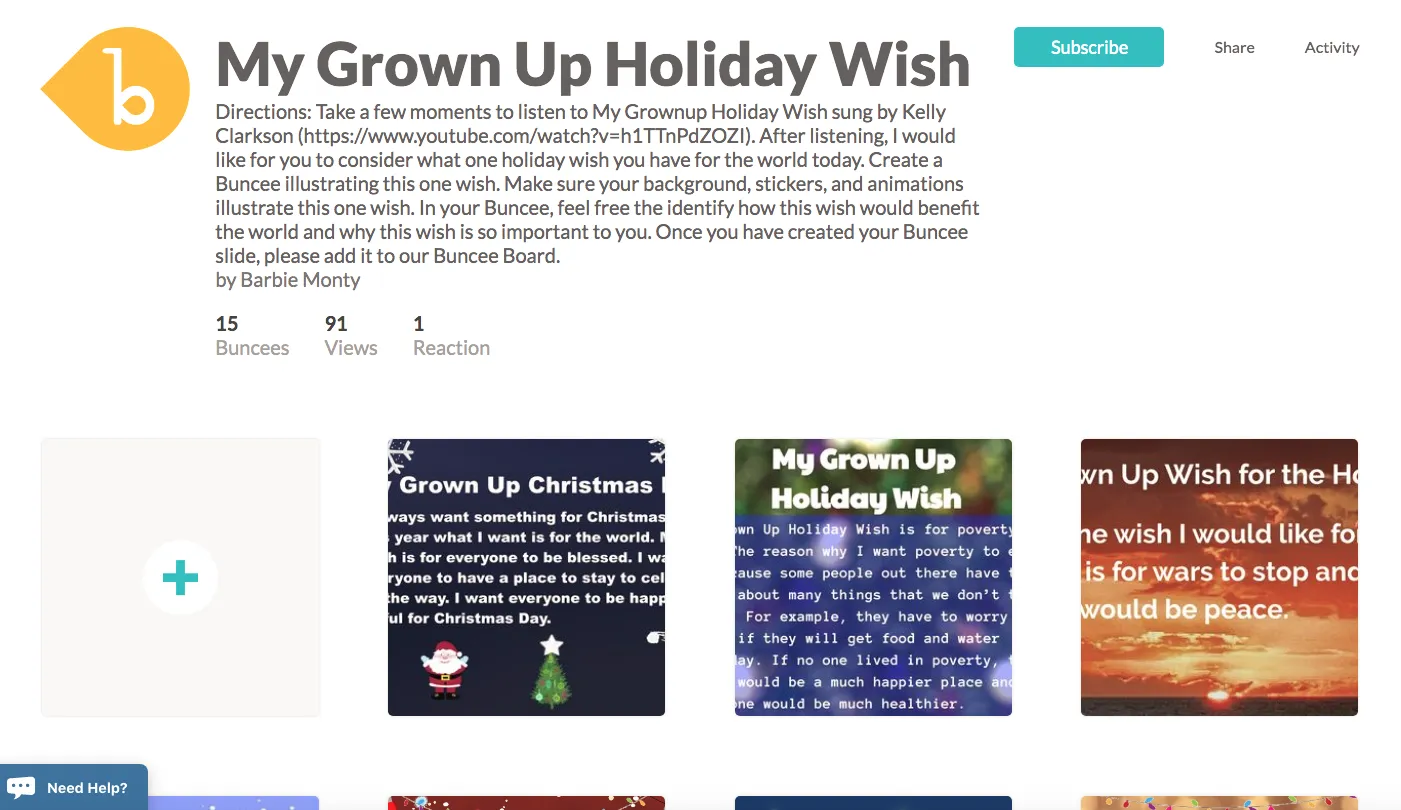
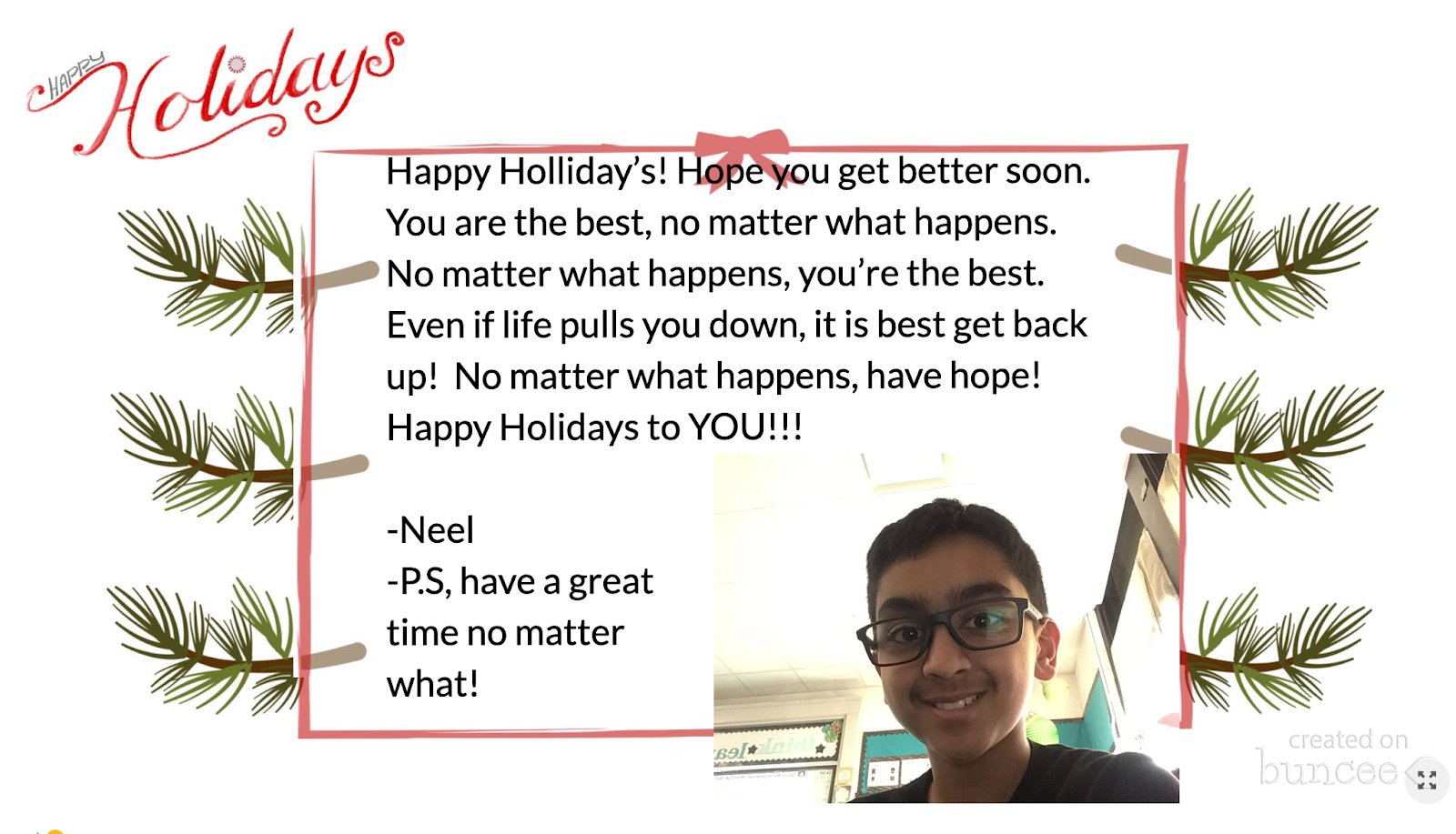
Read/write learners prefer to have the text available to them in some written/tangible format. Whether students first take notes and then decide to rewrite their notes for additional practice, or read over their notes each day for review and class preparation, these learners benefit from sustained interactions with the text. The more they interact with written formats, the better equipped they are to understand the content. Beyond writing in pen or pencil, or creating a document, using some tools such as Kidblog, for writing a story and getting started with blogging is a good way to promote reading and writing opportunities. Another idea is to have students create a multimedia presentation with a tool like Buncee to tell a story, adding text and icons to make the content more meaningful. These options make the activities more authentic and aligned with the needs of learners of this type.

Kinesthetic Learners
Kinesthetic learners learn best through hands-on learning opportunities. Students spend a lot of time sitting in classrooms and perhaps more passively learning. We need to design ways for students to be more active in the classroom. Some choices would be through a STEAM curriculum, the use of makerspaces, place-based learning, game-based learning and creation, designing projects and having students engage in project-based learning (PBL).
Multimodal Learners
For some students, providing options that foster a multimodal learning style is most beneficial. A multi-modal learning style means that you benefit through multiple ways of processing the information which can be through images, sounds, movement, speech, audio, visuals and more. When I have used stations in my classroom, providing the different options at each station was helpful for students who are multimodal learners, to be able to interact with the content in different ways. Some of the tools that I have used include Nearpod, Kahoot, Quizlet, in addition to giving students options to create something based on their own choice, which lends itself to more hands-on learning. The use of infographics, hyperdocs, choice boards, and even digital breakouts can give students a variety of ways to engage with the content and provide activities that will meet each learning style.


All students benefit from multimodal learning options that support a Universal Design for Learning (UDL). Providing something for each student and offering a mix of learning tools will help students to master the content in more authentic and personalized ways.
Interested in learning more about your own learning style preferences? You can take the VARK questionnaire and find out what type of learner you are.
Interested in writing a guest blog for my site? Would love to share your ideas! Submit your post here.
Looking for a new book to read? Many stories from educators, two student chapters, and a student-designed cover for In Other Words.
Find these available at bit.ly/Pothbooks


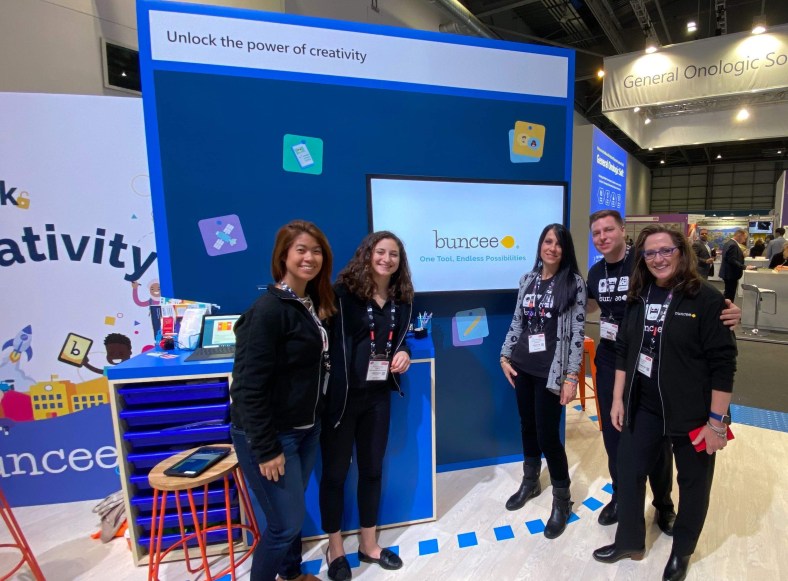
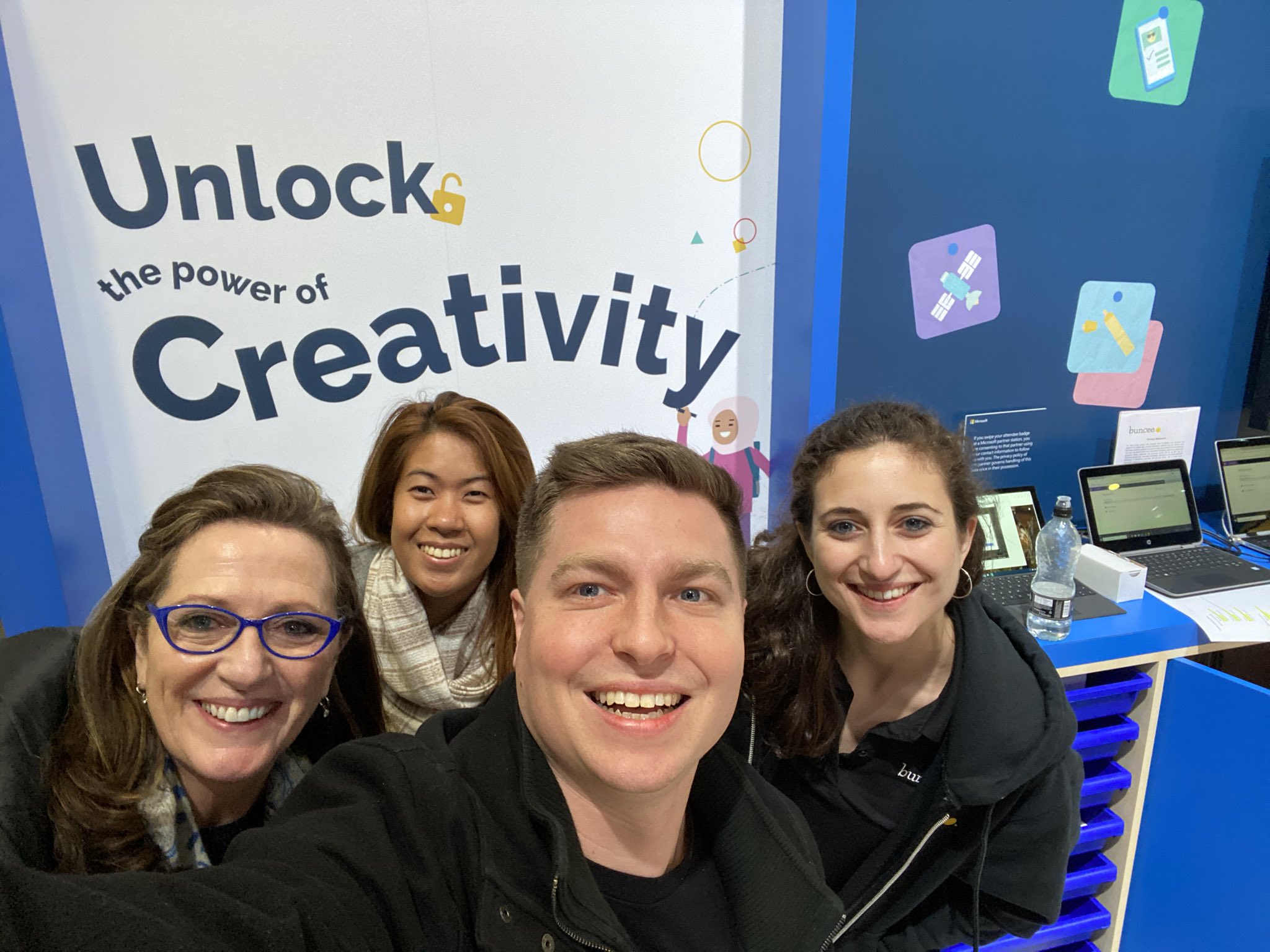 Marie, Eda, Bryan and Francesca

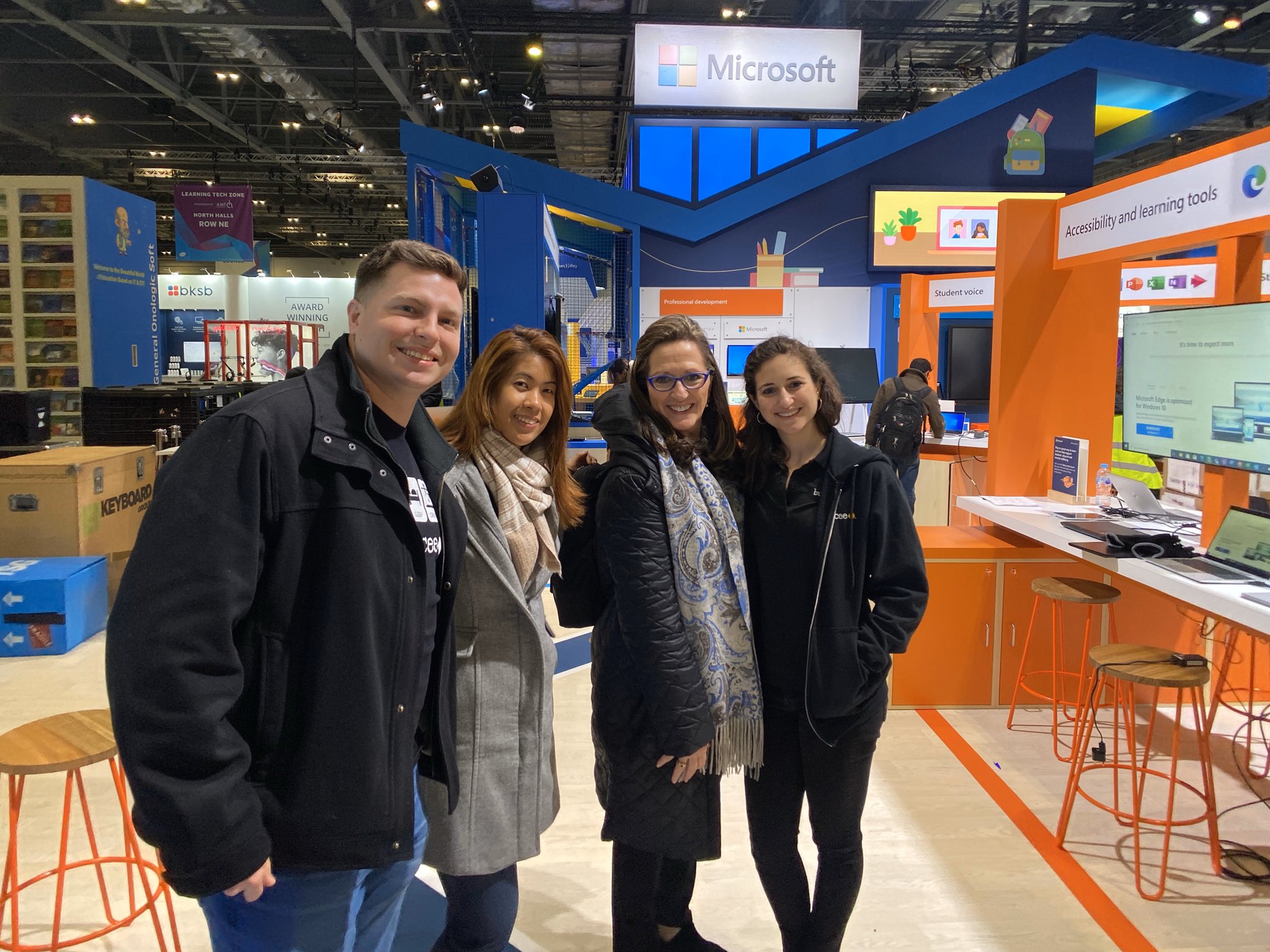
 I was honored to present a session with with Eda Gimenez, about using creativity to nurture a love of learning and the power of immersive reader for accessibility for all learners. We worked on the presentation for a while and I was excited and nervous of course, to present. But what always makes a difference is talking about something that you are passionate about and believe in and also making a connection with the attendance.


















 which simplifies to:



 Libraries might seem dated, but they are in fact one of the best-kept secrets. We got library cards for our kids as soon as they could write their names. Today, cards can be used to check out everything from audiobooks to new release movies. Apps like Hoopla and Overdrive are amazing. With a library card, these two sites offer thousands of books, movies, and music. Giving kids the opportunity to borrow a stack of books without any cost is ideal for many families. Taking advantage of MEL, the state’s interlibrary loan program, allows people to request books from all over the state of Michigan and have them sent right to your local library. Showing someone how to use the library unlocks a world of possibility. Anything can be learned by using the public library. And, using the library saves a lot of money. Surrounding kids with books is one of the best things you can do to get them reading. The library makes reading an inexpensive activity. I am not alone when it comes to using the library. Several
  A few years ago one of my boys really got into hockey. We found all of the Matt Christopher books about hockey in the library, and he eagerly read each one cover to cover. Last summer my daughter was obsessed with learning about swimming. We raided the library for any nonfiction book we could find on the topic. During the winter it was graphic novels, and today she loves to dive into anything related to fairy tales. Even though I have a pretty good idea about what each of my kids likes to read, I had experiences where I selected a book or two I thought might be perfect, only to have them not show an interest in what I picked out. I do not take it personally, since there is no cost associated with it, and know that as a reader I don’t read every book I take home from the library.
 When I first started teaching, I would ask the parents of my really motivated readers who seemed to always be reading, “Tell me how you did it? What do you think has made the difference in getting your child excited about reading?” Almost every time I was given the same answer, “I suppose he just sees me reading all the time, and it just seemed like the thing to do. My nose is always in a book”.
 Exposure to good literature and authors is one of the best gifts we can give our readers. I absolutely love sharing some of my favorites with kids. Just as we could taste cheese, wine, sauces, desserts, or other menu items, book tastings are a great way to try new things. I typically put a book in front of each place setting. Each child will get a chart to list the title he or she tasted along with the author, genre, and the likelihood that he or she might read the book. The tasting is timed to keep it moving. And so after a total of several, ninety-second tastings, kids are able to walk away with several new titles that could be considerations for future reading. This activity can be adapted to any size (I have had great success with it in the classroom).
 There are times that I find my kids book hopping, and not finishing titles. I have also seen my kids plateau as readers. It is fun when we all work together and focus on completing a challenge that encourages reading and celebrating the success of others. It works well for us to keep a running list of books read on the refrigerator. We set a goal for a number of books to be read and immediately start brainstorming how to we will celebrate our success. It is nice to focus on working together and cheering each other on.


 Learning as I go: Reflections & lessons learned